The Subtle Art of Class
It was a rainy evening in Boston, and Rachel was hosting a small dinner for her closest friends. Her apartment was modest, yet everyone kept remarking on how polished and thoughtful it felt.
“How do you make your space feel so… elegant?” her friend asked, sipping wine.
Rachel laughed softly. “It’s not about spending a fortune. It’s about little things — the details that make a home feel complete, intentional, and welcoming.”
Across America, from tiny apartments in New York City to spacious ranches in Texas, classy homeowners share this secret: it’s not the size of the house or the price tag of the furniture — it’s the thoughtful touches that create timeless style.
Here’s a closer look at 10 little things classy people always include in their homes, told in a story-driven, human tone, showing how you can infuse elegance into any space.
1. A Signature Scent That Feels Like Home
Rachel’s apartment always smelled inviting — a subtle blend of lavender and citrus. It wasn’t overpowering; it was a presence.
Classy people understand that scent shapes first impressions. Whether it’s candles, essential oils, or a well-chosen diffuser, a signature aroma creates a subconscious sense of sophistication.
Tips for Americans:
-
Keep it subtle — you want guests to notice without feeling overwhelmed.
-
Choose scents that match your home’s vibe: lavender for calm, citrus for freshness, sandalwood for warmth.
-
Rotate scents seasonally for an evolving yet cohesive experience.
2. Thoughtful Lighting Layers
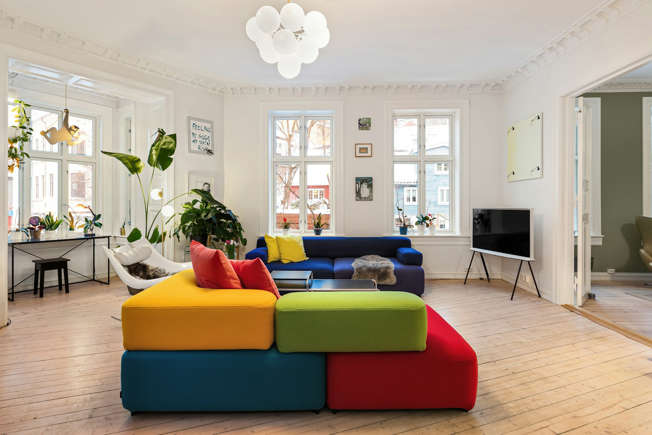
Lighting is more than functional — it’s mood-setting. Rachel’s dining table glowed under a soft pendant, while her living area had warm floor lamps that invited conversation.
Classy homes layer lighting: ambient for overall brightness, task for work areas, and accent to highlight artwork or architectural features.
American homes tip: Use dimmable LED lights for flexibility, save energy, and create an inviting atmosphere. Even in smaller apartments, clever lamp placement can transform a room’s feel.
3. Art That Reflects Personality, Not Price Tags
Rachel had a few pieces of art — a hand-painted canvas from a local artist and a black-and-white photograph from a flea market. The beauty wasn’t in the price tag; it was in the story behind each piece.
Classy homes aren’t necessarily filled with expensive artwork; they are curated. Every piece tells a story, sparks a conversation, or reflects the owner’s taste.
Tips for Americans:
-
Mix high-end with personal finds for authenticity.
-
Use frames to unify diverse pieces.
-
Rotate pieces occasionally to refresh the space without spending.
4. Fresh Flowers or Greenery
A vase of fresh flowers on the coffee table can instantly elevate a room. Rachel always had seasonal blooms or a lush potted plant in the corner.
Classy homes use nature to bring life indoors. It adds color, texture, and a sense of care that even small budgets can accommodate.
Tips:
-
Local flowers or grocery store blooms work beautifully.
-
Indoor plants like snake plants or fiddle leaf figs last long and require minimal care.
-
Place greenery strategically in corners or on shelves to break monotony.
5. Quality Textiles That Invite Comfort
Classy people never underestimate textiles. Rachel’s throw pillows were soft, her area rugs plush, and the blankets in the living room felt luxurious to touch.
It’s the tactile experience that makes a house feel like home. Investing in a few quality textiles can elevate a space immediately.
American home advice:
-
Mix textures: wool throws, velvet pillows, linen curtains.
-
Stick to neutral palettes with occasional pops of color for timeless elegance.
-
Rotate or layer fabrics seasonally for warmth in winter and lightness in summer.
6. Personal Yet Refined Collections
Rachel displayed a small set of travel souvenirs, tastefully arranged on a floating shelf. It added personality without clutter.
Classy people strike a balance: personal items are visible but curated, telling a story without overwhelming the eye.
Tips:
-
Edit your collections: fewer, meaningful items look sophisticated.
-
Use trays, shelves, or shadow boxes for neat presentation.
-
Rotate items to avoid static décor and keep spaces feeling fresh.
7. A Dedicated Spot for Essentials
Every classy home has a “drop zone”: a place for keys, mail, or sunglasses. Rachel’s small console near the door held a tray for essentials, keeping chaos out of sight.
This practical touch keeps spaces tidy, subtly showing care for both home and visitors.
American perspective: In busy U.S. lifestyles, organization is a mark of refinement. Minimalism combined with utility is inherently classy.
8. Thoughtful Table Settings
Even casual meals are elevated with attention to the table. Rachel’s dishes weren’t Michelin-star fancy, but she paired matching plates, cloth napkins, and simple centerpieces.
Classy homes understand that dining is a ritual — it’s not just about eating, but experience.
Tips:
-
Invest in a few quality dinnerware sets.
-
Seasonal centerpieces like candles, flowers, or fruit bowls create impact.
-
Layer placemats, napkins, and dishware for a polished look without overdoing it.
9. Statement Mirrors or Reflective Surfaces
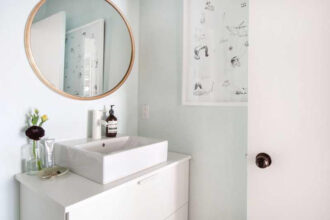
Mirrors amplify light, create the illusion of space, and add sophistication. Rachel had a circular mirror in the living room that became a focal point.
Classy homeowners use reflective surfaces not just for utility but to enhance design. It’s a trick that works in apartments and large homes alike.
Tips for Americans:
-
Choose a mirror with an elegant frame for instant style.
-
Place opposite windows to maximize natural light.
-
Incorporate mirrored furniture sparingly to avoid a cold feeling.
10. A Sense of Thoughtful Cohesion
Finally, the overarching secret: everything ties together. Rachel’s home didn’t scream wealth; it whispered it. Colors, textures, scents, and furniture felt intentional.
Classy homes have a theme or rhythm. Every decision — even little ones — is made with purpose.
Tips:
-
Decide on a neutral base palette; layer in textures and accents.
-
Stick to a few recurring materials (wood, metal, glass) for consistency.
-
Less is more: eliminate clutter, focus on meaningful pieces.
The American Takeaway: Class Isn’t About Money
From Los Angeles apartments to Charleston townhomes, Americans are embracing these principles. You don’t need a million-dollar budget to make a home feel curated, polished, and welcoming.
It’s about:
-
Attention to detail
-
Thoughtful layering of design elements
-
Combining personal touches with timeless aesthetics
-
Prioritizing comfort and functionality
Rachel’s friends left that night impressed not by the price of her sofa or artwork, but by the warmth, thoughtfulness, and subtle elegance of her home. That’s the real essence of class.
Frequently Asked Questions (FAQs)
Q1. Do I need a big budget to make my home classy?
Absolutely not. Class comes from thoughtful choices, not expensive items. Simple touches like fresh flowers, a scented candle, or curated artwork make a big impact.
Q2. How can I make small spaces feel more refined?
Use mirrors to create depth, layer lighting, and focus on organized, intentional décor. Small, high-quality textiles and well-chosen accessories go a long way.
Q3. Are scents really that important?
Yes. A subtle signature scent sets the mood and creates a memorable impression without overwhelming guests.
Q4. How do I balance personal items with a classy aesthetic?
Curate your collections. Showcase meaningful pieces, but keep them organized and avoid clutter. Rotation helps keep spaces fresh.
Q5. Can my home feel classy if I rent?
Definitely. Focus on textiles, lighting, décor, scents, and organization. Class is about thoughtfulness, not ownership.
Conclusion: Elegance in the Details
Classy living isn’t about size, budget, or trendiness. It’s about creating an environment that feels intentional, welcoming, and timeless.
From a simple vase of flowers to carefully curated artwork, each choice tells a story — about who you are, what you value, and how you want people to feel in your home.
Across the United States, homeowners are embracing these subtle decisions, proving that true sophistication is accessible to anyone willing to think about the little things.
So, whether you’re in a New York apartment, a Chicago townhouse, or a San Francisco bungalow, remember: class isn’t bought — it’s crafted, one thoughtful detail at a time.