
You’ve probably heard the saying, “You are what you eat.” But what if the real secret is what you drink?
Every morning, millions of Americans grab their favorite beverage — coffee, soda, energy drink, or a fruit smoothie — without realizing that these innocent daily sips could be quietly working against their youthful glow and long-term health.
When longevity researchers studied people in regions known for long, healthy lives — places like Sardinia or Okinawa — they noticed something interesting. It wasn’t just their diet or activity level; it was also what they didn’t drink every day.
Let’s take a look at eight everyday drinks that might be aging you faster — and what science-backed, longevity-loving alternatives you can start sipping today.
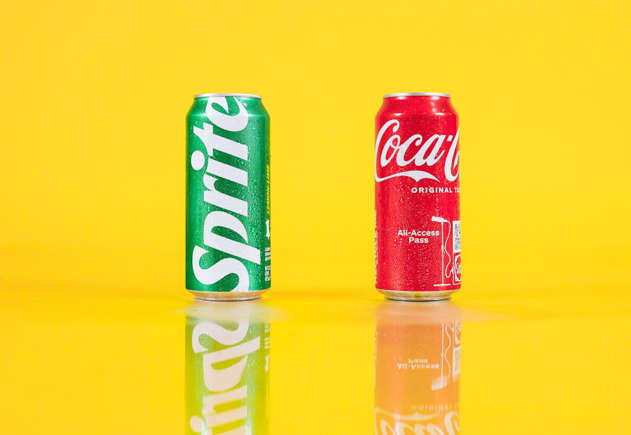
1. Sugary Sodas — The Sweet Sip That Ages Your Cells
You already know soda isn’t great for your waistline, but what most people don’t realize is how deeply it affects cellular aging.
The average American drinks nearly 40 gallons of soda a year. That’s an ocean of sugar. And sugar doesn’t just add calories — it accelerates something called glycation, where sugar molecules stick to proteins like collagen and elastin in your skin.
The result? Wrinkles, dullness, and stiffness — not only in your face but throughout your body’s tissues.
Story moment:
Marilyn, a 46-year-old from Texas, decided to cut out her daily cola habit after noticing her skin looked tired even though she was sleeping well. Within three months, she saw a visible difference — smoother texture and less puffiness. “It’s wild,” she said, “I didn’t change my skincare — just my drink.”
Better swap:
Try sparkling water with a twist of lemon or berries. You’ll still get the fizz without the sugar spike.
2. Energy Drinks — The Quick Fix That Drains You Long-Term
That 3 p.m. energy drink may feel like a superhero cape when you’re fading, but it’s quietly robbing you of your natural energy reserves.
Energy drinks pack a double punch of caffeine and sugar, which sends your body on a roller coaster of adrenaline and insulin. Over time, this can raise stress hormones like cortisol, which damages collagen, disturbs sleep, and speeds up skin aging.
Many people in the U.S. rely on these to survive long workdays, but the toll adds up. You might feel alert for now — but in a few years, your skin, sleep, and mood could show the cost.
Better swap:
Go for green tea or matcha. You’ll still get caffeine, but balanced with antioxidants and L-theanine, which calms the nervous system instead of spiking it.
3. Alcohol — The Weekend Habit That Wears You Down
There’s no denying that wine nights and Friday cocktails are part of American social life. But excessive alcohol is one of the most underestimated aging accelerators out there.
Alcohol dehydrates the skin, breaks down collagen, and reduces the body’s ability to absorb vital nutrients like Vitamin A, B, and C — all of which are key for cell repair and renewal.
And if you’ve ever woken up after a few drinks feeling foggy or puffy, you’ve felt it firsthand. That’s your body fighting inflammation.
Story moment:
Tom, 52, a retired firefighter, decided to go “dry” for six months. “By the second month,” he said, “I wasn’t just sleeping better — my skin looked tighter, and my focus was sharper. I didn’t realize how much booze was draining me.”
Better swap:
Try mocktails with kombucha or flavored sparkling water. You’ll still get the ritual without the wear and tear.
4. Fancy Coffee Drinks — The Sugary Trap in a Cup
A morning latte is practically an American tradition — but those flavored syrups, whipped toppings, and caramel drizzles can turn your cup into a dessert disguised as breakfast.
Even though caffeine itself has some anti-aging benefits (it’s a natural antioxidant), the excess sugar and cream in most coffee shop drinks counteract those effects. Plus, too much caffeine dehydrates your skin and can disrupt sleep — both major aging triggers.
Better swap:
Opt for black coffee or coffee with unsweetened almond milk. Add a sprinkle of cinnamon instead of syrup for flavor and antioxidants.
5. Fruit Juice — The “Healthy” Drink That Isn’t Always So Healthy
This one surprises a lot of people. While fruit juice sounds natural, most store-bought versions are stripped of fiber and loaded with sugar — sometimes as much as soda.
Without the fiber, your body absorbs the sugar quickly, causing blood sugar spikes that damage collagen and elastin — the same issue that happens with soda. Over time, that means sagging skin, energy crashes, and more inflammation.
Story moment:
Lana, a nutritionist in California, shared that many of her clients switched from fruit juice to whole fruit smoothies and saw huge changes — better digestion, more stable energy, and brighter complexions.
Better swap:
Blend your fruits instead of juicing them. Try a berry smoothie with spinach, flaxseed, and almond milk for fiber and healthy fats that nourish your skin.
6. Diet Sodas — The “Zero Sugar” Illusion
Diet sodas promise zero calories and zero sugar — but that doesn’t mean zero problems.
Artificial sweeteners like aspartame and sucralose may confuse your body’s hunger and insulin responses, leading to more cravings and metabolic stress. Studies also suggest they might disturb gut bacteria — an overlooked key to youthful immunity and glowing skin.
Better swap:
Go for infused water — try cucumber-mint or orange-basil combinations. They hydrate your body while keeping your taste buds entertained.
7. Store-Bought Smoothies — When “Healthy” Goes Heavy
Many bottled smoothies sold in U.S. grocery stores are sugar bombs in disguise. Some contain 50–60 grams of sugar per serving — even more than a can of soda!
When that much sugar floods your system, it spikes insulin and inflammation — two massive aging triggers. Your energy might soar briefly, but the crash that follows is brutal.
Better swap:
Make your own smoothie at home using low-glycemic fruits like berries and add a protein source — Greek yogurt or a scoop of protein powder — to balance the sugar.
8. Sweetened Teas — The Sneaky Summer Culprit
From sweet tea in the South to bottled iced teas up North, Americans love their tea chilled and sweet. Unfortunately, most commercial iced teas are loaded with sugar or corn syrup, making them more of a dessert than a health drink.
Excess sugar = more glycation = faster aging. Plus, the added preservatives can mess with gut health and hydration.
Story moment:
Jenna, a 39-year-old from Georgia, swapped her sweet tea habit for unsweetened green tea with lemon. “At first it was hard,” she admitted, “but now I feel less bloated, my skin is brighter, and I don’t crash midafternoon.”
Better swap:
Brew your own unsweetened tea at home. Add lemon or mint for a refreshing twist — and no sugar crash.
So What Should You Drink for Longevity?
Here’s what many longevity experts recommend keeping in your daily lineup:
-
Water: The ultimate anti-aging drink. Aim for 8 glasses daily.
-
Green Tea: Packed with antioxidants like EGCG that protect skin and brain cells.
-
Black Coffee (in moderation): Boosts alertness and metabolism.
-
Herbal Teas: Chamomile, hibiscus, or ginger can calm inflammation.
-
Homemade Smoothies: Real fiber, real nutrients, and zero junk.
Your body doesn’t just run on what you eat — it’s also deeply shaped by what you sip, day after day.
The Bottom Line: Your Drink Defines Your Decades
Aging gracefully isn’t about expensive serums or strict diets — it’s about small, consistent choices.
The drinks we consume every day have the power to either nourish or wear down our bodies over time. And here’s the beautiful truth: it’s never too late to change.
Imagine your future self five years from now — waking up with clearer skin, sharper focus, and better sleep — all because you swapped a few drinks. Longevity doesn’t live in a bottle; it starts in your cup.
FAQs: Everyday Drinks & Aging
1. Does caffeine really age your skin?
Not directly. Caffeine actually has antioxidant benefits. It’s the dehydration and sugar that come with high-caffeine or sweetened drinks that cause trouble.
2. Can I still enjoy alcohol occasionally?
Yes — moderation is key. Limit to one or two drinks a week, stay hydrated, and balance it with nutrient-rich foods.
3. Are all fruit juices bad for you?
Not necessarily, but store-bought juices are often high in sugar. Opt for fresh, homemade juice or better yet — eat the whole fruit.
4. What’s the best drink for glowing skin?
Water and green tea are both excellent. They flush out toxins, hydrate cells, and reduce inflammation.
5. How soon can I see results after cutting sugary drinks?
Most people notice improvements in 1–3 weeks — from clearer skin to more stable energy and better sleep.
Final Thought:
Your daily drinks are more than just habits — they’re reflections of how much you value your future self. So next time you grab a cup, make it one that loves you back.