The Beginning: The Snack That Broke the Internet
It started with a bag of chips.
Not just any chips — your favorite brand, that perfect mix of salty and crunchy that seems to whisper, “just one more.”
You open the bag for a taste, but ten minutes later, you’re staring at the empty foil, wondering what just happened.
You’ve heard it before — “Ultra-processed foods hijack your brain’s dopamine system!” They’re supposedly engineered to keep you hooked, turning your brain into a slot machine for snacks.
But what if that story isn’t quite true?
What if your brain, your hunger, and your habits are far more complex — and far less helpless — than we’ve been told?
In late 2024, a wave of new insights began to ripple through nutrition science, challenging one of the most popular theories about food and addiction in the United States. The dopamine theory — the idea that ultra-processed foods are addictive because they spike dopamine in our brains like drugs — just took a major hit.
Let’s unravel this story — one bite, one neuron, and one surprising truth at a time.
The Rise of the “Dopamine Food” Theory
For years, the narrative was simple and seductive:
Ultra-processed foods (UPFs) — chips, soda, candy, fast food, frozen dinners — weren’t just bad for you; they were biochemically addictive.
The reasoning went like this:
-
These foods are engineered for bliss — perfect ratios of sugar, salt, and fat.
-
That bliss triggers dopamine, the brain’s “feel-good” chemical.
-
More dopamine equals more cravings.
-
Over time, your brain gets hooked.
It was a clean story, easy to understand — and easy to fear.
It fueled a cultural wave across America. Wellness coaches warned that dopamine was the “villain” behind obesity. TikTokers posted videos about “dopamine detoxes,” where people cut out processed foods to reset their brains. Even major documentaries painted ultra-processed foods as the new nicotine.
But the real story? It’s more nuanced — and surprisingly hopeful.
The Turning Point: When Science Looked Closer
Recently, neuroscientists began digging deeper into how dopamine actually works.
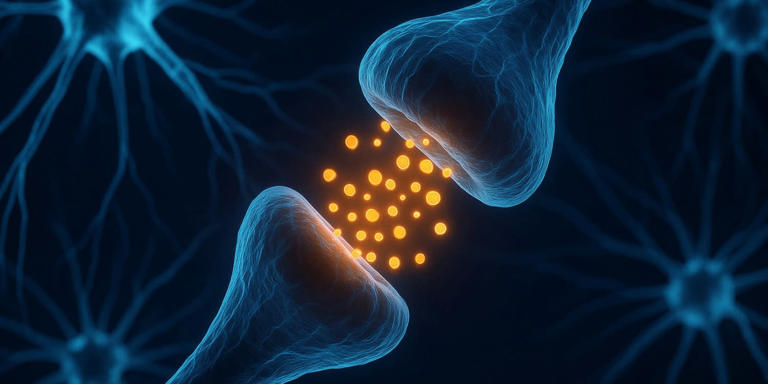
Here’s what they found: dopamine isn’t just about pleasure — it’s about motivation and learning. It doesn’t simply make you feel good; it teaches your brain what’s worth paying attention to.
That’s a big difference.
When you bite into a slice of pizza, dopamine fires not just because it tastes amazing, but because your brain notes, “This food provides energy. Remember it.”
Over time, that learning shapes habits.
But does that mean dopamine makes you addicted to pizza the same way cocaine makes users addicted to the high? Absolutely not.
In fact, studies show that dopamine responses to food are much weaker than to addictive drugs — and far more regulated. The brain doesn’t spiral out of control from a candy bar.
It simply says: “Yum, remember this.”
The “Food Addiction” Question
Now, let’s pause.
If dopamine isn’t hijacking our brains, why do ultra-processed foods feel so hard to stop eating?
Here’s where things get real — and personal.
Ultra-processed foods are designed to be easy. They’re convenient, cheap, and consistent. When life is stressful — as it often is in America’s fast-paced grind — that ease becomes comforting.
It’s not just a brain chemistry thing. It’s emotional. It’s cultural. It’s psychological.
We turn to these foods not because we’re addicted, but because they’re available and reliable.
The truth is, the “food addiction” label oversimplifies a complicated human story — one shaped by economics, emotions, and environment.
The Human Side: A Late-Night Confession
Let me tell you a story.
A few years ago, I worked long nights in a small apartment in Chicago. Every night around midnight, I’d get up from my laptop and wander to the kitchen. Without fail, I’d grab a pint of ice cream or heat up leftover fries.
I’d tell myself, “Just a few bites.” But before I knew it, I’d scraped the container clean.
Was I addicted?
Not really. I was exhausted. Lonely. Seeking a small reward after a day of endless pressure. That wasn’t dopamine — that was comfort.
We often mistake the brain’s reward system for a trap, when it’s actually a reflection of our needs.
Ultra-processed foods might light up dopamine, yes — but so do hugs, laughter, and a good night’s sleep. The difference is, one of those is available 24/7 in your pantry.
The Science Rewritten: Dopamine Is Not the Villain
Here’s what scientists now understand:
-
Dopamine doesn’t equal addiction.
It’s part of a natural feedback loop that helps you learn what you enjoy and what sustains you. -
Ultra-processed foods don’t produce “drug-level” dopamine spikes.
They activate pleasure pathways, but not at levels remotely comparable to narcotics. -
Context matters.
When you’re sleep-deprived, stressed, or emotionally drained, your brain seeks quick energy. UPFs are simply the easiest target. -
Addiction is about compulsion and loss of control.
Most people who overeat processed foods can still moderate or stop when they address underlying stressors — something true addiction doesn’t allow.
So, maybe it’s time to stop blaming dopamine and start asking harder questions:
-
Why are these foods cheaper and more accessible than fresh ones?
-
Why do millions of Americans rely on them out of necessity, not addiction?
-
And what does “choice” even mean when a salad costs $10 and a burger costs $3?
Ultra-Processed America: More Than a Chemical Problem
Let’s be honest — ultra-processed foods are a symptom, not the disease.
They exist because we built a society where convenience is king. In the U.S., where time is money, cooking fresh meals often feels like a luxury.
For working parents, night-shift nurses, college students, and delivery drivers — the choice isn’t between dopamine and willpower. It’s between what’s fast and what’s feasible.
So, yes, these foods can affect your brain — but not because they’re addictive chemicals. It’s because they’re perfectly tailored for our modern lifestyle.
They’re the fuel of a system that values productivity over pause, efficiency over nourishment.
A New Way to Look at Cravings
When you crave chips or cookies, it’s easy to feel guilt or shame. You might even think, “My brain’s hooked on dopamine.”
But here’s another perspective: cravings are messages, not malfunctions.
They might be saying:
-
You’re low on energy.
-
You’re seeking comfort.
-
You need a mental break.
Instead of fighting the craving, ask what it’s really trying to tell you.
Then, meet that need in a way that respects both your biology and your humanity. Maybe it’s a quick snack — or maybe it’s a walk, a nap, or a phone call to someone you love.
The Real Fix Isn’t in the Brain — It’s in the System
We can’t “reset” dopamine by cutting out snacks. But we can build a better food environment.
Imagine if:
-
Healthy options were as convenient as processed ones.
-
Employers supported real lunch breaks.
-
Schools taught emotional eating awareness, not food guilt.
-
Grocery stores made fresh produce affordable in every zip code.
That’s not science fiction — that’s food justice.
The dopamine myth was powerful because it made us think the problem lived in our heads. But it doesn’t. It lives in our neighborhoods, our kitchens, and our culture.
The New Theory: Empowerment, Not Addiction
Maybe it’s time to replace the dopamine theory with something more compassionate:
The Empowerment Theory.
It says:
-
You’re not broken for craving comfort.
-
You’re not addicted for liking convenience.
-
And you have more control than you think — not because you can resist dopamine, but because you can redesign your routines.
The real power isn’t in cutting out all processed foods. It’s in learning when and why you turn to them — and how to meet those needs with more awareness.
That’s not anti-science. That’s pro-human.
FAQs: Ultra-Processed Foods & the Dopamine Myth
1. What exactly are ultra-processed foods?
They’re industrially manufactured items with ingredients you wouldn’t find in a home kitchen — think artificial flavors, emulsifiers, and preservatives. Common examples: chips, soft drinks, frozen dinners, and candy bars.
2. Do ultra-processed foods really cause addiction?
No. They can trigger cravings, but that’s not the same as addiction. Dopamine plays a role in motivation, not compulsion. True addiction involves loss of control — most people can stop or moderate these foods when emotionally supported.
3. Why do ultra-processed foods feel so irresistible?
Because they combine convenience, comfort, and affordability. They’re engineered for taste — but also fill emotional and social needs, especially in stressful or busy lives.
4. Should I stop eating processed foods completely?
Not necessarily. Balance is key. Focus on adding more whole foods, not restricting everything. Awareness and moderation work better than total elimination.
5. How can I manage my cravings better?
Pause and ask what you’re truly seeking — energy, comfort, distraction, or pleasure. Then find a solution that meets that need. Sometimes it’s food; sometimes it’s rest or connection.
Final Thoughts: Rethinking Blame, Rediscovering Balance
The idea that ultra-processed foods “hijack” your brain made sense — until we realized our brains are smarter, more adaptable, and more compassionate than we gave them credit for.
You’re not a puppet pulled by dopamine strings. You’re a human navigating a noisy, fast-paced world that makes easy food the default.
So, the next time you reach for that bag of chips, don’t label it an addiction. See it as a clue. A whisper from your body, not a failure of your mind.
Because the truth is — dopamine isn’t your enemy. It’s your guide. It helps you seek joy, energy, and satisfaction. The goal isn’t to silence it. It’s to listen to it — wisely, gently, and without shame.
And maybe, just maybe, that’s the real nourishment we’ve been missing all along. 🌿