
Chapter 1: The Moment That Changed Everything
Dr. Michael Harris still remembers the day that changed how he looked at food.
It wasn’t a conference, a textbook, or even a new study. It was a patient — a 52-year-old mother of three, diagnosed with stage 2 colon cancer.
“She looked me straight in the eye,” he recalls, “and asked if there was anything she could eat that would help her body fight back.”
That question haunted him.
As an oncologist practicing in California, he’d spent years treating patients with chemotherapy and radiation — but he realized he wasn’t talking enough about the food on their plates.
So, Dr. Harris did what scientists do best: he started studying. Not in a lab, but in his own kitchen. He began to build his meals around foods that research consistently linked to lower cancer risk.
Today, he’s not just prescribing medicine — he’s leading by example.
Here’s what’s on his plate every single day, and why he believes these four foods are small but mighty weapons in the fight against cancer.
Chapter 2: The First Food — Blueberries: The Little Soldiers
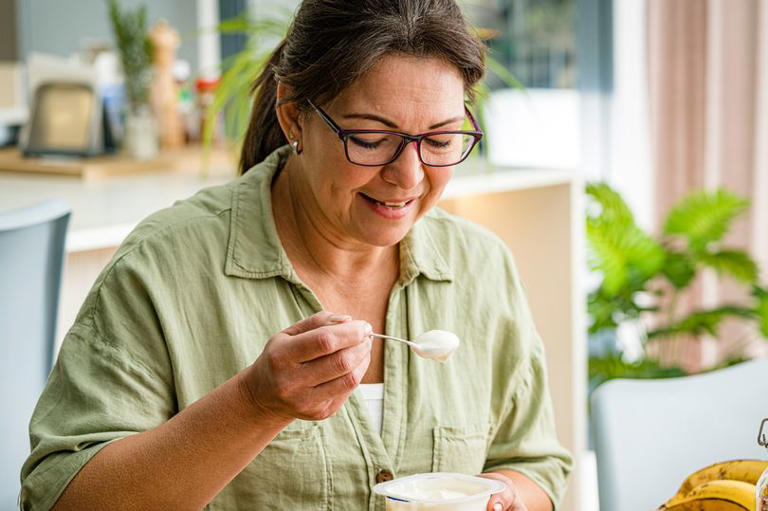
Every morning, before he checks his email or heads to the hospital, Dr. Harris starts his day with a bowl of Greek yogurt, a drizzle of honey, and a handful of blueberries.
“They’re not just sweet,” he says with a grin, “they’re protective.”
Blueberries are packed with anthocyanins — those deep purple pigments that give them their color and their cancer-fighting power. These natural compounds act like tiny soldiers in your bloodstream, battling free radicals and reducing inflammation that can damage cells.
Studies over the years have shown that people who eat berries regularly have lower markers of oxidative stress — a major contributor to cancer development.
Dr. Harris often jokes, “If antioxidants were superheroes, blueberries would be Captain America.”
He doesn’t just eat them for their scientific benefits, though. “They’re easy,” he says. “You can toss them in oatmeal, blend them in smoothies, or just eat them straight from the container. It’s simple, it’s delicious, and it works.”
Chapter 3: The Second Food — Cruciferous Vegetables: The Green Armor
Lunch in Dr. Harris’s household almost always involves something green and crunchy. Think broccoli, kale, or Brussels sprouts.
“When I was a kid, I hated the smell of cooked broccoli,” he laughs. “Now, it’s the smell of longevity.”
Cruciferous vegetables contain sulforaphane, a natural compound that supports the body’s detox system — helping eliminate carcinogens before they can cause damage.
More importantly, sulforaphane can trigger enzymes in the liver that neutralize harmful toxins and may even slow the growth of cancer cells.
Dr. Harris lightly steams his veggies to preserve the nutrients. “Cooking them too much kills off some of the good stuff,” he explains. “A light steam or a quick sauté with olive oil is perfect.”
He often pairs his greens with brown rice or quinoa, calling it his “energy bowl.”
“You don’t need a fancy cleanse,” he says. “Your liver just needs the right fuel. Broccoli gives it that.”
Chapter 4: The Third Food — Tomatoes: The Red Shield
Dinner often includes one of Dr. Harris’s favorite foods — tomatoes.
Whether it’s in a salad, a sauce, or sliced fresh with basil and olive oil, tomatoes are a daily staple for him.
The reason? Lycopene.
Lycopene is a carotenoid — a natural pigment that gives tomatoes their red color — and it’s one of the body’s strongest defenders against certain cancers, especially prostate, lung, and stomach cancers.
But here’s the interesting twist: lycopene becomes more powerful when cooked.
“That’s why I make homemade marinara at least twice a week,” Dr. Harris says. “A little olive oil, garlic, and simmered tomatoes — not only is it comforting, but it’s protective.”
He calls this dish his “edible armor.”
In America, where pizza and pasta are already beloved, he believes this is one easy, culturally familiar way to sneak cancer protection into dinner.
“Healthy eating doesn’t mean boring eating,” he says. “It just means eating smarter.”
Chapter 5: The Fourth Food — Green Tea: The Gentle Guardian
Every evening, after dinner, Dr. Harris sits on his porch with a mug of green tea.
“It’s my nightly ritual,” he says. “Some people pour a glass of wine; I pour a cup of peace.”
Green tea is rich in catechins, especially EGCG (epigallocatechin gallate), one of the most studied antioxidants in the world. These compounds help prevent cell damage, reduce inflammation, and may even slow tumor growth.
“I tell my patients, if coffee is your morning armor, green tea should be your evening calm,” he explains.
For him, it’s not just about the antioxidants — it’s about the act of slowing down. “Stress feeds disease,” he says. “Taking ten quiet minutes to sip tea and breathe deeply is as healing as the tea itself.”
Chapter 6: Building a Cancer-Conscious Lifestyle
Dr. Harris isn’t unrealistic — he knows life in America moves fast. Between commutes, family, and the endless stream of fast-food options, most people don’t have time to think deeply about nutrition.
That’s why he suggests a “4×1 Rule.”
“Each day, pick at least one meal to include one of these four foods,” he explains. “Don’t stress about being perfect. Just be consistent.”
For example:
-
Breakfast: Greek yogurt with blueberries.
-
Lunch: Salad with kale or broccoli.
-
Dinner: Pasta with tomato sauce.
-
Evening: Cup of green tea.
Over time, those small, daily choices build a foundation for a longer, healthier life.
Chapter 7: The Bigger Picture — Why Diet Matters in the U.S.
In America, where processed foods and sugary drinks dominate shelves, it’s easy to underestimate the impact of what we eat.
But as Dr. Harris points out, over 30% of cancers are linked to lifestyle choices — diet, exercise, and tobacco use being the biggest factors.
He’s not saying blueberries will cure cancer, or that a salad will erase genetics. “But they tilt the odds,” he says. “And that’s everything.”
He compares it to sunlight and sunscreen. “You can’t control the sun, but you can protect yourself from its effects. Food is the same way.”
Chapter 8: The Real Challenge — Changing the American Plate
Dr. Harris often gives talks across the U.S., from California to New York, speaking to people about practical, affordable ways to eat healthier.
He knows not everyone can afford organic groceries or specialty diets. So his message is simple: Start small.
Buy frozen blueberries if fresh are too pricey. Use canned tomatoes (no salt added). Buy frozen broccoli — it’s just as nutritious.
“Health shouldn’t be a luxury,” he says. “It should be a daily choice that’s accessible to everyone.”
And as he often reminds his audiences:
“Your kitchen is your first line of defense. Treat it like your medicine cabinet.”
Chapter 9: The Power of Consistency Over Perfection
Dr. Harris has seen people transform their health not through dramatic diets, but through quiet consistency.
“The goal isn’t to eat perfectly,” he says, “it’s to eat with purpose.”
He believes the American mindset around food needs a shift — from “What can I get quickly?” to “What can I nourish deeply?”
That’s why his message resonates with people across the country. It’s practical. It’s human. And it’s hopeful.
Chapter 10: The Doctor’s Daily Ritual
Every day, his routine is simple yet powerful:
-
Morning: Blueberries with yogurt.
-
Lunch: Broccoli and quinoa bowl.
-
Dinner: Tomato-based dish.
-
Evening: Green tea before bed.
No fad diets. No magic powders. Just real food, eaten with intention.
“Longevity doesn’t come from what you do once,” he says. “It comes from what you do every day.”
🩺 FAQs — Real Questions Americans Ask About Cancer-Fighting Foods
Q1: Can these foods actually prevent cancer?
They can help reduce risk, but not completely prevent it. They support your body’s natural defense systems by lowering inflammation and oxidative stress — both of which play major roles in cancer development.
Q2: How much of these foods should I eat daily?
-
Blueberries: ½ to 1 cup daily
-
Cruciferous veggies: 1–2 servings
-
Tomatoes: 1 cup or one serving of sauce
-
Green tea: 1–2 cups
Q3: What if I don’t like one of these foods?
You can swap them for similar nutrient-rich options. For instance, replace blueberries with blackberries, broccoli with cauliflower, or green tea with matcha.
Q4: Can kids benefit from these foods too?
Absolutely. Encouraging kids to eat colorful fruits and vegetables early helps shape lifelong habits that promote good health.
Q5: Is it too late to start eating this way?
Never. The body is remarkably adaptable. Whether you’re 25 or 65, incorporating these foods can improve cell function, digestion, and energy levels almost immediately.
Final Thoughts: A Prescription You Can Eat
Dr. Harris often ends his talks with a simple line that sticks with people:
“You can’t control everything that happens to your body — but you can control what you feed it.”
These four foods aren’t exotic or expensive. They’re simple, everyday staples sitting quietly in American grocery stores — waiting to help.
The next time you make breakfast, lunch, or dinner, ask yourself:
“Is this meal fighting for me — or against me?”
Because sometimes, the most powerful medicine isn’t found in a pill bottle.
It’s sitting right there on your plate.