
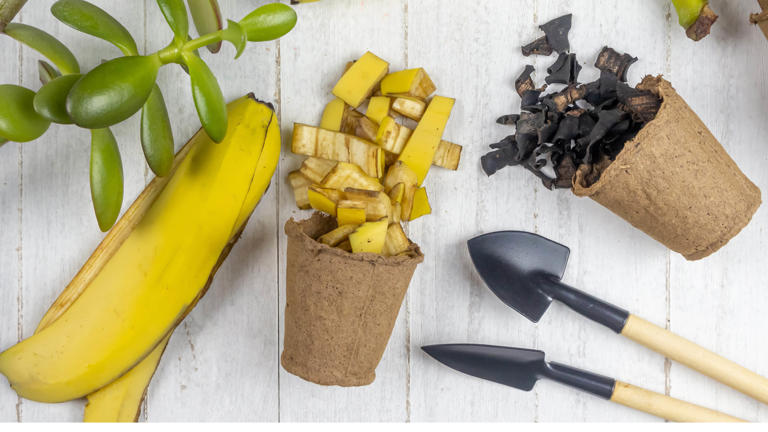
There’s something oddly charming about the way America’s homeowners swap quirky gardening tips online. From coffee grounds for roses to eggshells for tomatoes, DIY plant hacks have become a kind of national pastime.
But this November, a new trend is making waves in neighborhoods across the U.S. — people are putting bananas in their yards.
At first glance, it sounds silly, maybe even a little absurd. Bananas? In the yard?
Yet behind this strange trend lies a surprisingly practical — and even scientific — reason. And once you understand what’s happening beneath the soil, you’ll never throw another banana peel in the trash again.
The Spark That Started It All
It began like many modern gardening revolutions — in someone’s backyard and on social media. A retired horticulturist in Florida shared a simple post:
“Don’t toss those bananas. Bury them in your garden before winter hits — your soil will thank you.”
Within days, thousands of homeowners began testing the idea. From California to Connecticut, people were digging tiny holes, placing banana peels, or even whole bananas, into their garden beds. And within weeks, something incredible began to happen.
Plants looked healthier. The soil seemed richer. Yards that typically struggled through winter started holding on to life.
But what’s the secret behind this tropical fruit’s unlikely superpower?
1. Bananas: Nature’s Hidden Fertilizer
Bananas aren’t just delicious; they’re loaded with essential nutrients that plants crave — especially potassium, phosphorus, and calcium.
When you bury a banana (or even its peel) in your garden, it begins to decompose slowly, releasing these nutrients right into the soil. Think of it like a slow-release vitamin capsule for your plants.
-
Potassium helps plants develop strong stems and resist disease.
-
Phosphorus encourages root growth and flower production.
-
Calcium supports overall cell structure, helping plants stay firm and resilient.
And since November is when many regions start to cool down, enriching your soil now helps prepare it for the spring growing season.
Instead of lying dormant, your soil stays active and alive — quietly absorbing nutrients all winter long.
2. A Natural Way to Feed Your Soil Microbes
Every gardener knows that healthy soil is alive. Underneath the surface, billions of microscopic organisms — bacteria, fungi, and worms — are constantly breaking down organic matter and creating fertile ground for plants.
When you bury bananas, you’re not just feeding your plants — you’re feeding those tiny soil helpers.
Bananas decompose easily, providing food for earthworms and beneficial microbes. In turn, these creatures release natural compounds that make nutrients more available to plant roots.
In other words, bananas turn your soil into a living, breathing ecosystem — exactly what nature intended.
3. The Cold-Weather Advantage
Why November? Because it’s the perfect transition month.
In much of the U.S., temperatures drop, and plant growth slows down. By adding organic matter like bananas before the first frost, you’re giving your garden a nutrient infusion right when it needs it most.
As the soil cools, decomposition slows — but it doesn’t stop. The banana breaks down gradually through the winter, providing a steady trickle of nutrients that keep your soil balanced and ready for spring.
It’s like tucking your garden in with a warm, nutrient-rich blanket.
4. A Secret Weapon for Roses, Tomatoes, and Houseplants
Some plants absolutely love the nutrients found in bananas.
If you’re planting roses, for example, you can bury a banana peel directly in the hole before adding the plant. Gardeners have reported more vibrant blooms and stronger stems.
Tomato lovers swear by banana peels for encouraging fruiting — since potassium directly influences the plant’s ability to produce and ripen fruit.
And for those who prefer indoor greenery, a simple banana peel water (soaked overnight and diluted) can make an excellent organic fertilizer for houseplants.
Just remember — moderation is key. Too much organic matter in a small pot can lead to mold. A little goes a long way.
5. Pest Control Bonus: Keeping the Bad Guys Away
Here’s a little-known bonus: bananas can help deter certain pests.
When mixed with coffee grounds or eggshells and buried slightly below the surface, banana peels can repel aphids and some soil pests that dislike the acidity and scent of decomposing fruit.
At the same time, pollinators like bees and butterflies are drawn to the sweet smell during the early stages of decomposition — making it a win-win for your yard’s ecosystem.
6. The Compost Connection
If burying bananas feels strange, don’t worry — composting them works just as well.
Adding banana peels to your compost pile helps balance the “greens” (nitrogen-rich materials like food scraps) with the “browns” (carbon-rich materials like leaves or paper).
The result? A rich, dark, crumbly compost perfect for spreading across garden beds next spring.
The trick is to cut peels into small pieces to help them break down faster — or freeze them first, which softens the fibers and speeds decomposition once thawed.
7. A Sustainable Choice for American Homes
Every year, Americans throw away millions of pounds of bananas — one of the most wasted fruits in the country.
By repurposing them in your garden, you’re reducing food waste, improving your soil, and saving money on commercial fertilizers.
It’s a small act with a surprisingly big impact. And in a time when sustainability matters more than ever, this is one of the easiest ways for homeowners to make a difference — right in their own backyards.
8. A Simple “Banana Bury” Guide for Beginners
Here’s a step-by-step guide to try the banana trick in your own yard this November:
-
Collect your bananas or peels.
Use overripe or spotted ones — they break down faster. -
Choose your location.
Near the base of plants, in flower beds, or around trees works best. -
Dig a small hole — about 6–8 inches deep.
-
Place the banana (or peel) inside.
You can even mix it with coffee grounds or crushed eggshells. -
Cover it back up with soil.
No need to water excessively — normal rain or garden moisture will do the rest. -
Mark your spot (optional).
Especially if you’re adding them regularly, to avoid overdoing one area.
By spring, you’ll notice softer, darker soil — and plants that seem to thank you with stronger growth.
9. Common Mistakes to Avoid
Like any garden hack, there are a few do’s and don’ts:
-
Don’t leave peels on the surface. They can attract pests. Always bury them a few inches deep.
-
Don’t overuse them. Too much organic matter can disrupt pH balance.
-
Avoid near seedlings. Fresh decomposing bananas can create temporary “hot spots” of microbial activity that stress young roots.
-
Skip moldy peels indoors. Compost or bury outside instead.
10. The Symbolism Behind the Banana Trick
Beyond science, there’s something poetic about this little ritual.
In many ways, burying a banana in your yard symbolizes renewal — turning something “used up” into a source of life. It’s a quiet reminder that nature wastes nothing.
For homeowners across America, this November tradition isn’t just about greener lawns or bigger flowers — it’s about reconnection. About rediscovering how simple acts can bring our homes and nature back in sync.
11. The Unexpected Side Effect: Building Community
Here’s the part no one expected — the banana trend didn’t just improve gardens; it brought neighbors together.
People began sharing their experiences, trading compost tips, and comparing results. Community gardens, especially in suburban areas, started holding “banana burying days” as part of sustainability initiatives.
In a world where technology often keeps us isolated, it’s refreshing to see how something as humble as a banana can spark real-world connection — one yard at a time.
Conclusion: The Smallest Acts Make the Biggest Difference
As the leaves fall and November winds roll across America, thousands of homeowners are discovering that you don’t need fancy fertilizers or expensive tools to care for your garden.
Sometimes, the best solution is already in your fruit bowl.
A single banana — buried quietly in the soil — becomes a bridge between today’s kitchen waste and tomorrow’s blooming garden.
So before you toss that peel, pause for a moment. Step outside. Dig a little hole. And join the growing number of Americans who are finding beauty, balance, and even hope in the simplest act of all — giving back to the earth that gives us so much.
🌿 FAQs About Putting Bananas in the Yard
1. Why should I bury bananas in my yard?
Bananas enrich your soil with potassium, phosphorus, and calcium — nutrients that promote strong, healthy plant growth.
2. Can I use just the peel, or should I bury the whole banana?
Both work! Peels decompose faster, but whole bananas offer a longer release of nutrients.
3. When is the best time to bury bananas?
November is ideal in the U.S., as it prepares your soil for winter rest and spring revival.
4. Will bananas attract pests or animals?
If buried 6–8 inches deep, pests like raccoons or rodents are unlikely to dig them up.
5. Can I use bananas for indoor plants?
Yes — make a diluted “banana peel water” to water indoor plants once a month.
6. How often should I bury bananas?
Once every 4–6 weeks during the cooler months is plenty.
7. Can bananas help compost piles?
Absolutely! They speed up decomposition and add essential minerals to your compost.
8. What if I don’t have a yard?
Try container gardening! Add chopped banana peels to pots or mix them into the soil of balcony plants.