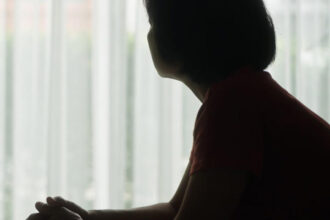
Picture this: it’s a peaceful night in suburban America. The house is quiet, your favorite candle flickers softly, and you slip into bed — phone in hand, of course.
Maybe you scroll through a few emails.
Maybe you watch one last TikTok.
Maybe you just set your alarm and plug your charger in beside your pillow.
It feels harmless — a normal bedtime routine.
But what if this routine — this tiny piece of modern comfort — is silently affecting your heart more than you ever realized?
Because, as emerging studies and doctors across the U.S. have been warning, one common bedroom feature may be increasing your risk of heart attack by up to 50%.
And almost every American household has it.
Let’s talk about what it is, why it’s so dangerous, and how a few simple bedtime changes could protect your heart — and maybe even save your life.
🌙 The Hidden Threat in Your Bedroom
Let’s start with a small clue: this feature isn’t your bed, your mattress, or your pillows.
It’s not your midnight snack habit, either.
It’s something that glows, hums, and quietly keeps you connected to the world long after you should’ve disconnected.
You guessed it: artificial light and electronic exposure in the bedroom — from TVs, smartphones, alarm clocks, LED lamps, or even streetlight glow through the blinds.
Americans spend more than one-third of their lives sleeping — yet most of us are doing it in bedrooms that are never truly dark.
And here’s where things get serious: the light that seems so harmless may actually be disrupting your body’s deepest recovery process — and putting your heart under chronic, invisible stress.
💡 The Science of Darkness — and Why Your Heart Depends on It
Our bodies are wired to follow a 24-hour internal clock — the circadian rhythm. It regulates everything from sleep and mood to metabolism and heart function.
But this rhythm only works properly when we experience natural cycles of light and dark.
At night, when darkness falls, your brain releases melatonin, the hormone that:
-
Triggers deep sleep,
-
Reduces inflammation,
-
Regulates blood pressure, and
-
Protects heart health.
Now here’s the problem: even tiny amounts of artificial light — a glowing TV screen, the standby light from a cable box, or the soft blue glow of your phone charger — can interfere with melatonin production.
When that happens, your body doesn’t fully rest.
Your blood pressure stays slightly elevated, your nervous system remains alert, and over time, your heart starts to pay the price.
❤️ What Experts Have Noticed: The 50% Risk Spike
Across the U.S., researchers have found a startling trend: people who sleep in light-polluted bedrooms — or keep electronic devices on overnight — may face a significantly higher risk of heart attack, stroke, and hypertension.
Why?
Because chronic exposure to light during sleep keeps your body stuck in “day mode” — even when you’re unconscious.
Your sympathetic nervous system (the one responsible for stress responses) never fully shuts down.
It’s like your body is idling in high gear all night long.
Over months and years, that steady trickle of stress hormones like cortisol and adrenaline can:
-
Increase blood pressure
-
Damage blood vessel walls
-
Accelerate plaque buildup
-
Raise the risk of heart attack and metabolic diseases
In fact, some data suggest that even nighttime light exposure of less than 5 lux (that’s dimmer than a nightlight) can measurably disrupt cardiovascular health over time.
Think about that — the soft glow from your alarm clock could be enough to stress your heart nightly, for decades.
🛏️ America’s Bedroom Habits: A Perfect Storm
Let’s face it — Americans love their screens.
We fall asleep to Netflix, charge our phones next to our heads, check the news at 2 a.m., and wake up with the same glow we ended the night with.
The bedroom, once a sanctuary for rest, has become an extension of the digital world — buzzing, blinking, and pulsing with blue light.
A 2024 U.S. home lifestyle survey found that:
-
78% of adults sleep with their phone within arm’s reach
-
64% fall asleep with the TV on
-
59% check screens within 5 minutes of going to bed
Now combine that with late-night work stress, caffeine habits, and minimal physical activity — and you’ve got a country unknowingly putting its hearts under pressure every single night.
😴 What Happens Inside You When You Sleep With Light On
Imagine your heart as a hardworking employee.
Daytime? It’s running meetings, taking calls, keeping everything moving.
Nighttime? That’s its break — the only time it truly rests and recharges.
Now imagine the lights in the breakroom never turn off.
Your heart, instead of slowing down, keeps responding to micro-signals that say, “Stay alert.”
Blood pressure doesn’t dip like it should.
Your arteries don’t relax.
Your stress hormones stay elevated.
You wake up tired, maybe irritable — and over time, your heart starts carrying more and more silent fatigue.
It’s not dramatic, like a sharp chest pain.
It’s slow, cumulative damage — the kind that builds until one day, it doesn’t stay silent anymore.
🕯️ How Light Messes With More Than Sleep
The effect of artificial light on your heart goes beyond disrupted sleep.
-
Metabolism slows down improperly, leading to weight gain and insulin resistance.
-
Blood sugar control worsens, increasing diabetes risk.
-
Heart rate variability drops, signaling stress overload.
-
Blood pressure stays chronically elevated, damaging arteries over time.
The irony?
We spend money on smart watches, gym memberships, and health apps — while ignoring the simplest, most overlooked fix: darkness.
🧠 The Bedroom Reset: Simple Changes, Massive Impact
Here’s the good news — you don’t have to turn your house into a monastery to protect your heart.
You just need to restore your body’s natural rhythm.
1. Eliminate Light at the Source
-
Cover or unplug glowing electronics.
-
Use blackout curtains to block streetlights.
-
Swap LED clocks for analog ones.
-
Move chargers and devices out of the bedroom entirely.
“Out of sight, out of signal,” could literally mean “out of danger.”
2. Adopt a “Digital Sunset” Routine
At least 60 minutes before bed, put away screens.
The blue light from phones and TVs suppresses melatonin more than any other kind of light.
Instead, try reading, stretching, or journaling under a soft, warm lamp.
Your body will recognize the cue: it’s time to rest.
3. Switch to Warm Lighting
If you need some illumination, choose amber or red-hued bulbs — they’re gentler on your circadian rhythm.
Some Americans now use smart bulbs that automatically dim and shift to warmer tones after 8 p.m.
4. Cool Down Your Bedroom
Heart health thrives in calm, cool environments.
Keep your room temperature between 60°F–67°F, the ideal range for deep sleep and stable blood pressure.
5. Sleep Masks Work Wonders
A simple sleep mask can make a huge difference if you can’t fully control your environment — especially in apartments or city settings.
🌆 Real-Life Story: “I Never Thought My Bedroom Was Hurting Me”
When 52-year-old John Matthews from Ohio suffered a mild heart attack, his doctors were puzzled.
He didn’t smoke.
He ate fairly well.
He even went on weekend hikes.
But after discussing his routine, a detail emerged: John fell asleep every night with the TV on.
He’d been doing it for years — “I can’t sleep without the sound,” he said.
After his recovery, his cardiologist suggested trying full darkness and no screens an hour before bed. Within a month, John noticed:
-
Lower resting heart rate
-
Better energy during the day
-
Fewer restless nights
“It’s strange,” he says now. “I thought silence would stress me out. But once I got used to it, I slept deeper than I have in 20 years.”
Sometimes, healing begins not with a pill — but by simply turning off the light.
🧘♀️ The Bigger Picture: Rest Is the New Luxury
In a country that glorifies hustle and 5 a.m. alarms, rest has become revolutionary.
Americans are starting to understand that productivity and longevity don’t come from pushing harder — they come from recovering smarter.
Your bedroom should be a temple of restoration, not an extension of your office or entertainment center.
Protecting your heart isn’t just about diet and exercise — it’s about giving your body the environment it needs to restore itself.
And that starts every night, in the dark.
🕯️ Quick Checklist: Is Your Bedroom Heart-Healthy?
✅ No electronic devices charging near your bed
✅ No glowing lights (TVs, alarm clocks, LEDs)
✅ Blackout curtains or eye mask for darkness
✅ Cool temperature between 60–67°F
✅ Screen-free time at least one hour before bed
✅ No caffeine after 4 p.m.
✅ Soft lighting and calming bedtime routine
If you can check most of these boxes, your heart — and your future self — will thank you.
❤️ Final Thoughts
It’s easy to overlook something as simple as light.
We’ve come to associate it with safety, comfort, and connection.
But sometimes, what feels comforting isn’t what’s healthy.
The next time you head to bed, take a moment to look around your room.
See what’s glowing, blinking, or buzzing — and ask yourself if it’s really helping you rest.
Because when you turn those lights off, you’re not just preparing for sleep.
You’re giving your heart the darkness it needs to heal, rebuild, and stay strong for years to come.
Protect your peace. Protect your night. Protect your heart.
❓ FAQs About Bedroom Habits & Heart Health
1. Is sleeping with the TV on really that bad for your heart?
Yes — the light and sound keep your body partially awake, preventing your heart from entering its deep-rest phase, which can raise long-term cardiovascular risk.
2. What about nightlights — are they safe?
If absolutely necessary, use a dim red or amber nightlight placed low to the ground. Avoid white or blue lights, which disrupt melatonin.
3. Can wearing a sleep mask really make a difference?
Definitely. Sleep masks can block up to 100% of ambient light and significantly improve sleep quality, especially in urban or shared spaces.
4. How does poor sleep affect blood pressure?
Your blood pressure naturally dips 10–20% during deep sleep. When light prevents this, your average blood pressure remains elevated — a known heart attack risk factor.
5. Does phone radiation or EMF play a role too?
While research is ongoing, the bigger issue right now is blue light exposure and mental stimulation before bed — both proven sleep disruptors.
6. How soon can I notice improvements if I make these changes?
Many people feel better in just 1–2 weeks — deeper sleep, better focus, lower stress, and improved morning energy are common first signs.
7. What’s the best bedtime habit for heart health?
Consistency. Going to bed and waking up at the same time every day trains your body’s rhythm — giving your heart predictable periods of rest.
🌙 The Takeaway
We spend so much time chasing better health — supplements, diets, workouts — that we forget the simplest medicine of all: good sleep in total darkness.
It costs nothing.
It takes no effort.
And it could reduce your heart attack risk by 50%.
So tonight, when you crawl into bed, make one small promise:
Turn everything off. Let silence and darkness return.
Because sometimes, the most powerful healing doesn’t come from adding more — it comes from taking away what never belonged there in the first place. 💫