There was a time when certain places in America carried a sacred energy — not necessarily religious, but deeply human. They were where communities gathered, laughter echoed, children played, and strangers became friends. From the creaky benches of small-town diners to the bustling aisles of downtown malls, these public spaces once defined the American way of life.
But as the years rolled by, things changed. Technology crept in. Suburbs spread out. And the spaces that once united us have slowly faded from our daily lives. Today, many of them stand forgotten — ghosts of the vibrant culture they helped create.
Let’s take a journey across the country, revisiting 20 public spaces that were once sacred to Americans — and why no one goes there anymore.
1. The Neighborhood Diner
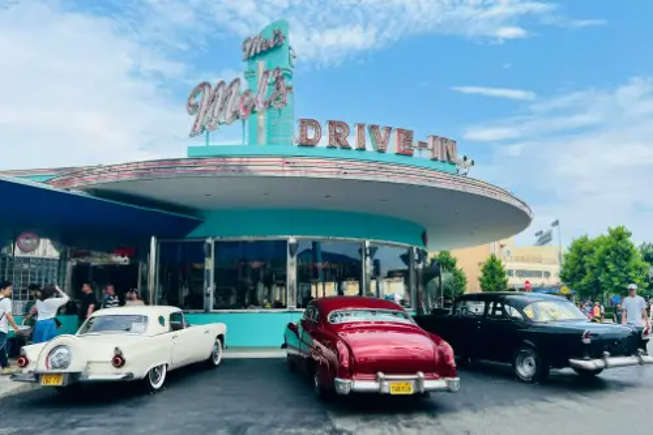
Every small town had one. A chrome counter, red vinyl booths, and the smell of fresh coffee and bacon.
The local diner was more than a place to eat — it was a place to belong. Truck drivers swapped stories, retirees read the morning paper, and teenagers flirted over milkshakes.
Now, chain restaurants and fast-food delivery apps have taken over. The familiar chime of the diner doorbell has gone quiet in many places, leaving behind empty stools and faded menus.
2. Drive-In Theaters
Friday nights in the 1950s meant piling into a car, grabbing popcorn, and watching the latest flick under the stars.
Drive-ins were romantic, communal, and uniquely American.
But as streaming services and multiplexes spread, the drive-in became obsolete. A few nostalgic ones still flicker to life in summer — but for most Americans, the magic of a movie beneath the night sky is just a memory.
3. Downtown Shopping Districts
Before malls, downtown was the place to go on weekends. Window displays sparkled, department stores played piano music, and crowds bustled down main streets.
But with the rise of suburban malls — and later, online shopping — downtowns in countless small towns grew silent.
Today, some are being revived with art galleries and breweries. Others remain frozen in time, their “For Lease” signs collecting dust.
4. The Community Park
Parks were once the soul of neighborhoods — home to picnics, baseball games, and summer concerts.
But these green havens have lost their crowd to indoor entertainment. Playgrounds sit empty as kids choose screens over swings, and family gatherings happen less often under the open sky.
Yet, parks are making a quiet comeback as Americans rediscover the joy of fresh air and community after years of digital isolation.
5. Roller Rinks
Disco lights. Pop music. Skates clattering on polished wood.
Roller rinks were the hangout spot for teens in the 1970s and 80s. Friendships, romances, and lifelong memories were made on those floors.
But when video games and social media replaced physical hangouts, the rinks began to close. A few still operate, mostly as nostalgic novelties — but the golden age of roller skating has long rolled away.
6. Shopping Malls
If you grew up in the ‘80s or ‘90s, the mall was your universe — a social hub, a food court paradise, a teen fashion runway.
Today, countless malls across America sit eerily empty. Online shopping and changing retail trends have turned these once-bustling places into quiet echoes of a more tactile era.
Some have been repurposed into apartments, offices, or even churches — a new chapter for the temples of consumer culture.
7. Local Libraries
Libraries were once packed — not just with books, but with people. Students studied, parents browsed, and seniors caught up on the local news.
Now, many Americans turn to their phones for information, and libraries struggle to attract younger generations.
Still, libraries that have adapted — with community events, Wi-Fi access, and digital lending — are proving that knowledge still has a home, even in a digital world.
8. Bowling Alleys
The crash of pins, the smell of nachos, the thrill of a strike — bowling nights were a weekly ritual for millions.
Today, many alleys have shut their doors as entertainment preferences shifted. Yet, nostalgia is reviving the game — boutique alleys with neon lights and cocktails are popping up in big cities, giving the sport a stylish second wind.
9. Community Pools
Summers used to mean one thing — the local pool. It was where kids learned to swim, teenagers showed off, and families cooled down together.
But many public pools have closed due to budget cuts or safety regulations. Backyard pools and private clubs replaced communal splashes with exclusivity, leaving many neighborhoods without that shared oasis.
10. Churches and Community Halls
For generations, Sunday mornings were sacred. Not just for faith, but for community.
Today, attendance in churches has sharply declined, and many community halls have fallen silent.
Whether due to shifting beliefs or busier lifestyles, these once-vital centers of connection are struggling to find relevance in modern America.
11. County Fairs
Ferris wheels, funnel cakes, and livestock competitions — county fairs were the beating heart of rural America.
Now, many struggle with funding and dwindling attendance. The younger crowd is more drawn to festivals and concerts, while the older generation holds tight to tradition.
Still, the spirit of small-town pride continues to flicker each summer.
12. Public Beaches
Once overflowing with families, public beaches now often compete with private resorts and social media’s curated travel culture.
The humble charm of an American beach day — coolers, sunscreen, and sandcastles — is fading under the glow of influencer travel trends.
13. The Local Barber Shop
For men, the barbershop was more than grooming — it was therapy. A place to talk sports, politics, and life.
But corporate chains and luxury salons have replaced many old-school barbershops. Some independent shops still thrive, blending classic vibes with modern flair — proof that tradition can evolve.
14. Public Golf Courses
Golf was once the gentleman’s game, accessible through community courses and local clubs.
Now, skyrocketing costs and generational disinterest have made golf more exclusive. Many public courses have been turned into housing or parks.
15. Skating Ponds
Before indoor rinks and climate change, frozen ponds were a winter wonderland. Families would lace up their skates and glide under the open sky.
Today, mild winters and safety concerns have made those scenes rare, leaving behind a nostalgia that feels like a Christmas card come to life.
16. Train Stations
Before airports ruled, train stations were majestic gateways — filled with the clatter of luggage, the hiss of steam, and heartfelt goodbyes.
Now, many historic stations stand quiet, relics of a slower era. Yet some, like Union Station in D.C. or Grand Central in NYC, remain beautiful symbols of endurance.
17. Town Squares
The town square was once the heartbeat of every community — hosting parades, speeches, and Saturday markets.
But modern life has moved indoors and online, leaving many squares empty except during annual events. Still, some towns are reinventing them with farmers’ markets and live music nights.
18. The Public Library Reading Room
Once a sacred, silent space filled with rustling pages and concentration, the reading room now competes with TikTok and tablets.
It’s a quiet casualty of the attention economy — though those who still frequent them swear by their peace and purpose.
19. Historic Movie Theaters
Before megaplexes, movie theaters were architectural marvels — velvet curtains, chandeliers, and organ music.
Many now stand abandoned or turned into event spaces, their marquees still whispering the glamour of old Hollywood.
20. Amusement Parks
Not the Disney giants, but the local ones — places with creaky rides, funnel cakes, and laughter echoing across summer nights.
They’ve largely vanished, priced out or overshadowed by massive theme parks. What remains are memories of sticky hands, flashing lights, and that feeling of endless summer.
Why These Spaces Matter
Every one of these places was more than just a physical location — they were emotional anchors.
They connected generations, taught patience, and built community in ways our screens can’t replicate.
Their decline reflects not just changing tastes, but a deeper shift in how we experience life itself.
Yet, there’s hope. Across America, communities are rediscovering the value of togetherness — renovating old theaters, reopening diners, and holding local markets again. Maybe we can’t go back to the past, but we can bring some of its spirit into the present.
FAQs
1. Why are so many traditional public spaces in America disappearing?
Mainly due to technology, online entertainment, and changing lifestyles. Many people now connect digitally instead of in person.
2. Are any of these spaces making a comeback?
Yes! Libraries, bowling alleys, and town squares are experiencing revivals as people crave real-world interaction again.
3. What can communities do to bring these places back to life?
Support local businesses, attend community events, and choose real experiences over digital ones whenever possible.
4. Why were these spaces considered “sacred”?
Because they represented togetherness, belonging, and identity — values that shaped American life for decades.
5. Will America ever return to this kind of communal culture?
It’s already starting to. The pandemic reminded many Americans how much they miss genuine, in-person connection. The comeback of small-town charm might just be beginning.
Final Thought:
Public spaces are the physical heartbeat of a nation. When they fade, something in our collective soul goes quiet. But every park, diner, and main street still holds a story — waiting for us to return, sit down, and listen again.