
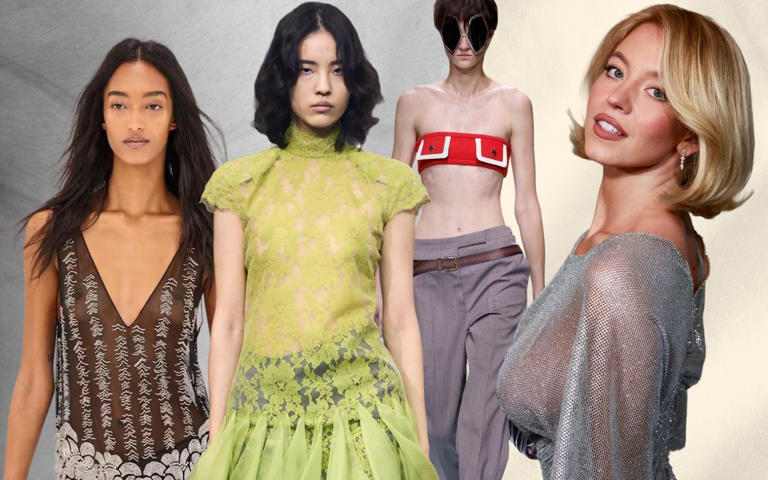
Introduction: The Great Bra Divide
It started innocently enough — a Sunday brunch with my niece and her friends, all college seniors with iced matcha lattes and enviable confidence. As we sat chatting about work, relationships, and travel, I noticed something peculiar.
None of them were wearing bras.
Not under tank tops, not under oversized sweaters, not under thin white tees.
When I asked about it — half-joking, half-curious — my niece laughed. “Aunt Lisa,” she said, “why would we? They’re uncomfortable, expensive, and totally unnecessary.”
The table nodded in agreement. One girl added, “They’re basically a relic of the patriarchy.”
And just like that, I realized we were witnessing a quiet revolution happening across America — one that might say more about generational identity, body politics, and comfort than anyone expected.
This isn’t just about lingerie. It’s about freedom, confidence, and the very different ways women in the U.S. — across generations — have been taught to view their bodies.
So why is Gen Z going braless, and why does it make so many midlife women uncomfortable? Let’s unpack the layers (pun intended).
1. A Generation That Grew Up With “Body Positivity”
For many women in their 40s and 50s, the bra was a symbol of maturity — a rite of passage. The day you “got your first bra” was a whispered milestone, sometimes even celebrated with a mother-daughter shopping trip.
But for Gen Z, growing up in the 2010s meant growing up online — with hashtags like #bodypositivity, #freethenipple, and #selflove trending on TikTok and Instagram.
They were exposed to images of real bodies: small, large, uneven, imperfect, natural. And with that came a collective realization — you don’t have to conform to what the Victoria’s Secret runway once dictated.
For them, the bra became symbolic of an outdated beauty standard. It wasn’t rebellion for rebellion’s sake. It was reclamation.
They weren’t trying to shock anyone. They were simply saying: this is my body — not a project to be hidden or shaped.
2. The Pandemic Changed Everything
Let’s be honest: many of us stopped wearing bras during lockdown — even those of us who swore we never would.
In 2020, comfort became the new luxury. Zoom meetings didn’t require underwire, and suddenly, we realized just how physically freeing it was to go braless (or switch to soft bralettes).
Gen Z took that feeling and never went back.
For many midlifers, though, returning to the office meant returning to old norms — the structured clothes, the smoothing layers, the illusion of “put together.”
But for a generation raised on work-from-home flexibility and digital independence, bras just didn’t make the cut for “essential attire.”
3. The Rise of Comfort Culture (And the Fall of “Shaping”)
Walk into any Gen Z-friendly fashion brand in the U.S. — like Aritzia, Skims, or Parade — and you’ll notice a theme: soft, stretchy, barely there.
There’s a cultural shift happening toward comfort-first living. Whether it’s oversized clothes, gender-neutral styles, or barefoot running shoes, the message is clear: authenticity over aesthetics.
For midlifers, bras were once tied to self-discipline — the notion that “good women” looked polished, professional, and supported.
But to Gen Z, bras are often viewed as a form of unnecessary restraint — a physical metaphor for the pressure to fit in.
4. The Economic Perspective — “Why Should I Pay for Pain?”
Let’s talk numbers.
The average American woman spends between $60–$100 on a good bra — sometimes more. And let’s not forget the fittings, the replacements, the endless search for one that’s comfortable enough.
Gen Z, a generation that’s already grappling with student debt, rent inflation, and rising living costs, isn’t buying into the idea that they need to spend a small fortune to feel acceptable in public.
They’re practical, minimalist, and money-conscious.
As one 23-year-old told me, “Why would I spend $80 on something I can’t wait to take off?”
That simple question sums it up perfectly.
5. The Gender and Identity Shift
Not everyone who wears bras identifies as female — and not everyone who identifies as female feels the need to wear them.
Gen Z is the most gender-fluid generation in U.S. history. They’re questioning old binaries — including fashion norms built around gendered expectations.
The idea that “real women wear bras” feels archaic to them. For some, rejecting bras isn’t just about comfort; it’s about dismantling the expectation that their bodies exist for public presentation.
6. Midlifers and the Meaning of Modesty
So why do so many midlife women find the trend odd — or even inappropriate?
Partly, it’s cultural conditioning. For decades, American women were taught that “modesty equals respectability.” Going braless wasn’t just unfashionable; it was unseemly.
For many Gen Xers and Boomers, not wearing a bra in public can still feel vulnerable — like breaking an unspoken rule about femininity and decorum.
But for Gen Z, modesty has evolved. It’s less about covering up and more about personal comfort. They don’t see going braless as “sexual” — they see it as neutral.
And that shift in mindset is powerful.
7. The Social Media Paradox
Ironically, while social media helped normalize natural bodies, it also created new pressures.
For every “braless and confident” influencer, there’s another hyper-filtered model promoting a “perfect” version of reality. But Gen Z seems better equipped to navigate that duality.
They’re self-aware. They know marketing when they see it.
And when they reject bras, it’s not always about rebellion — sometimes, it’s about choosing authenticity in a world obsessed with appearances.
8. The Emotional Side: What It Means to Feel Comfortable in Your Skin
For many women, especially those raised in stricter social environments, the first time you leave the house without a bra can feel both thrilling and terrifying.
It’s not about breasts — it’s about boundaries.
You start to realize how much emotional energy you’ve spent trying to manage how your body is perceived.
Gen Z seems to have made peace with that reality much earlier. They’re not waiting for permission to feel at home in their own bodies.
And that, perhaps, is what midlifers find so striking — not the absence of a bra, but the presence of self-assurance.
9. A Cultural Shift Toward Acceptance
Just as millennials made leggings acceptable “pants” and Gen X fought for workplace equality, Gen Z is redefining what’s “appropriate.”
Ten years from now, going braless might not even be a topic of discussion. It’ll just be another choice — like wearing sneakers instead of heels.
Culture evolves slowly, but it always moves toward authenticity.
And the truth is, most of us — midlife or not — crave that kind of comfort and confidence. We’ve just been told for too long that it wasn’t allowed.
10. Maybe It’s Not About Bras at All
At its core, this isn’t really a story about undergarments. It’s about the freedom to decide how we present ourselves — and the generational courage it takes to unlearn what we were told was “right.”
Maybe Gen Z isn’t rejecting bras; maybe they’re rejecting the pressure to perform.
And maybe, just maybe, it’s time for the rest of us to admit they might be onto something.
Closing Thoughts: The Soft Rebellion We All Needed
As I left that brunch with my niece, I caught my reflection in a store window — blouse neatly tucked, bra perfectly fitted, posture upright.
I looked polished, sure. But I couldn’t help but wonder: Was I comfortable?
Maybe it’s not about ditching bras entirely. Maybe it’s about letting go of the rules we never questioned.
Because sometimes, the smallest acts — like deciding what you wear under your shirt — can say the loudest things about who you are and what kind of world you want to live in.
And in that sense, Gen Z isn’t just going braless — they’re leading the quietest, most confident revolution we’ve seen in decades.
Frequently Asked Questions (FAQs)
1. Why are so many Gen Z women choosing not to wear bras?
Because they value comfort, body acceptance, and authenticity over outdated beauty norms. For them, bras symbolize unnecessary restraint rather than empowerment.
2. Is going braless socially acceptable in the U.S.?
It depends on the context. In casual settings, it’s increasingly normal. In professional or formal environments, expectations may vary — though attitudes are evolving.
3. Are bras bad for your health?
There’s no conclusive evidence that bras are harmful or beneficial. It’s a matter of personal comfort — some women prefer the support, while others feel better without.
4. Why do older generations find it strange or inappropriate?
Because they were raised with stricter cultural norms around modesty and presentation. To many midlifers, bras were tied to femininity, professionalism, and respectability.
5. Will the no-bra movement last?
Most likely. Comfort-focused fashion is here to stay, and as more people embrace authenticity over conformity, the bra’s cultural hold continues to loosen.