
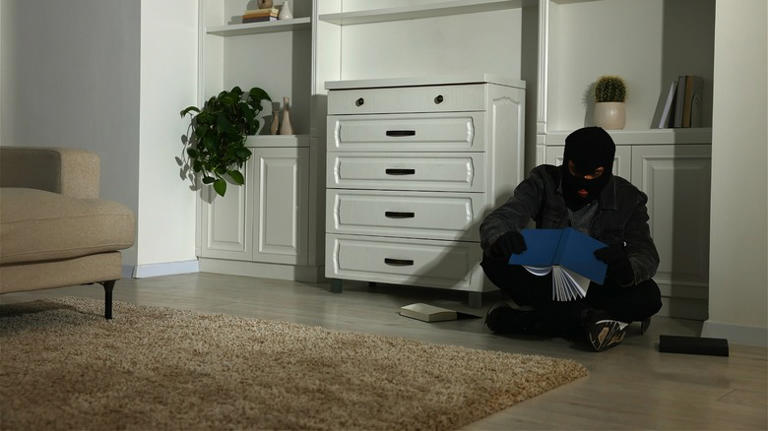
If you’ve ever hidden cash in an old shoe, slid jewelry under your mattress, or tucked important papers behind cereal boxes, congratulations—you’re officially part of a club that almost every American belongs to.
And guess what?
Thieves know exactly how that club thinks.
In fact, one retired U.S. police detective once said something unforgettable in an interview:
“Burglars don’t search homes—they follow patterns.”
Meaning: Most break-ins last 8–12 minutes, and thieves simply move through the home checking the same predictable spots where 90% of people hide their valuables.
That’s why today’s article isn’t about paranoia—it’s about awareness.
If you live in the U.S., burglary isn’t rare, and even if you feel completely safe in your neighborhood… the truth is that burglars target homes BECAUSE they look safe.
So let’s walk through the worst places to hide your valuables—places thieves search instantly—followed by smarter hiding spots and a few bonus protection tips you’ll wish you knew earlier.
Grab a coffee; this one is eye-opening.
A Short Story: The Break-In That Taught a Big Lesson
Emily from Ohio shared a story that stuck with me.
She had been hiding spare cash inside a thick winter coat hanging in her closet. Not in a pocket—she actually stitched a small zipper pouch inside the lining. Genius, right?
Wrong.
When her home was burglarized while she was at work, the thieves didn’t touch electronics. They didn’t take her TV, her computer, or her video game consoles.
They went straight to her bedroom closet.
And they ran their hands along the coats, exactly where cash and jewelry are often stored.
Her hidden cash? Gone.
Her reaction: “How did they know?!”
Simple answer: Because they always know.
That’s why it’s so important to understand the psychology of hiding—and finding—valuable items inside a home.
Let’s dive into the biggest “no-no” hiding spots.
10 Places You Should NEVER Hide Valuables (Because Thieves Check Them First)
These places are incredibly common. And that means they’re incredibly unsafe.
1. Under the Mattress (The #1 Rookie Mistake)
This is the first place burglars flip—every time.
We’ve all seen it in movies, and real thieves follow the stereotype because people actually still do it.
Cash, documents, jewelry—none of it belongs here.
If you hide anything under your mattress today, move it by the end of this article.
2. The Bedroom Closet
Burglars spend most of their time in the master bedroom, because:
-
That’s where jewelry is
-
That’s where cash is
-
That’s where personal safes are
-
And that’s where “secret” coat pockets hide things
Coat pockets, shoe boxes, stacked sweaters, and small bags are all popular spots.
Bad news: Thieves know your closet better than you do.
3. Inside Dresser Drawers (Especially the Top Drawer)
People assume they’re being clever by putting valuables under their socks or shirts.
Thieves assume the same thing.
That makes this one of the fastest places for them to check.
4. Kitchen Cabinets & Pantry Shelves
Hiding cash behind cereal boxes or canned goods is surprisingly common.
Thieves pull everything out because:
-
It’s quick
-
It’s messy
-
And homeowners often hide “emergency cash” there
If it’s in the pantry, it’s not safe.
5. The Freezer (Yes, Really)
The “cash in an old ice cream container” trick?
Criminals know it, and they go straight to the freezer.
Unless you store thousands of dollars in frozen meat (please don’t), avoid this.
6. The Toilet Tank
This was once a creative idea… in the 1990s.
Movies made it popular.
Now thieves lift toilet tanks without hesitation.
Plus, there’s water. And water ruins everything.
7. In a Nightstand or Bedside Table
This is the second-most searched spot in the master bedroom.
It’s easy, small, and accessible.
Chargers, medications, jewelry—thieves expect to find things here.
8. Inside Book Covers
The hollowed-out book trick is no longer clever.
Burglars run their hands along bookshelves and instantly know which book:
-
is lighter
-
is glued
-
doesn’t sit correctly
-
looks too obvious
It’s basically a neon sign that says “my valuables are inside.”
9. Behind Picture Frames
Super common. Super predictable.
Burglars grab frames, shake them, check behind them, and move on.
It takes seconds.
10. A Visible Personal Safe
This is the biggest shocker for most people.
That solid safe sitting in your closet?
Thieves don’t break into it.
They take the whole thing and open it later.
Safes only work when:
-
They are hidden
-
They are bolted to the floor or wall
-
They are disguised among normal household items
If yours is not, relocate it.
So Where Should You Hide Valuables?
Now that we’ve gone through the red-flag hiding spots, here are smarter, less obvious places.
Burglars look for quick wins—they don’t want to stay long or search creatively.
That works to your advantage.
Here are the best alternatives.
10 Safer, Smarter Hiding Spots (Thieves Rarely Check These)
Use these to keep your valuables safer without buying a vault.
1. In a False Bottom of a Random Cardboard Box
Not a fancy one—something plain.
Burglars don’t want to sort through “boring” storage items like:
-
seasonal decorations
-
miscellaneous paperwork
-
cleaning supplies
A disguised false bottom is extremely effective.
2. Inside a Non-Working Appliance
Think:
-
a broken toaster
-
an old DVD player
-
a dead router
Thieves don’t waste time picking up electronics that don’t look valuable.
3. In a Fake Air Vent or Wall Outlet
These are extremely hard to detect.
You can buy fake vent safes cheaply.
Burglars don’t unscrew vents unless they are professionals.
Most aren’t.
4. Buried Inside a Bag of Pet Food
Nobody is digging through 18 pounds of dog chow.
Just make sure what you hide is sealed.
5. Inside a Curtain Rod
This trick is genius.
Many rods are hollow—perfect for small items.
Thieves rarely remove curtains.
6. Behind a Heavy Piece of Furniture You Bolt to the Wall
A hidden compartment behind a mounted dresser or bookshelf works well.
Burglars don’t move heavy furniture because it takes time.
7. Inside a Paint Can (With Real Paint On Top)
Use an old can, clean the inside, keep the dried layer at the top.
Looks like trash. Is actually a mini safe.
8. In a Vitamin Bottle Mixed With Other Bottles
A bottle among many bottles is invisible.
Just make sure anyone else in the house knows not to toss it.
9. Inside a Laundry Detergent Box
Thieves don’t care about cleaning supplies.
Just use a similar-looking detergent box, so it blends in.
10. A Safe That’s Bolted Down and Hidden
If you DO use a safe:
-
hide it behind something
-
bolt it down
-
disguise it within other objects
A safe only works when it’s invisible AND immovable.
DON’T JUST HIDE VALUABLES—PROTECT THEM
Hiding helps. But real protection comes from layering.
Here are key habits every U.S. household should practice.
1. Take Photos of Everything Valuable
If something is stolen, photos help with:
-
insurance claims
-
police reports
-
replacement documentation
Take pictures now. Keep a backup online.
2. Set Up Smart Cameras (Entry Points Only)
You don’t need full-home surveillance.
Focus on:
-
the front door
-
the back door
-
the garage
-
windows facing the street
Motion alerts stop most crimes before they start.
3. Use a Home Security Sign (Even If You Don’t Have a System)
Burglars avoid homes with security signage.
It’s one of the simplest deterrents.
4. Keep Curtains Closed at Night
Thieves case homes through windows.
Don’t make it easy for them to see valuables.
5. Don’t Announce Travel Plans Online
This is huge.
Many break-ins happen when burglars know someone is away.
Post photos after your trip, not before.
6. Store Backup Copies of Important Documents Digitally
Birth certificates
Passports
Insurance papers
Financial files
Scan everything. Store it safely in cloud storage.
If the physical copies disappear, you still have control.
A Gentle Reminder: Your Safety > Your Stuff
While protecting valuables is important, nothing in your home is worth risking your life.
If you ever walk into a home and suspect a break-in:
-
don’t investigate
-
don’t touch anything
-
leave immediately
-
call 911
Things can be replaced. People cannot.
Conclusion: Think Like a Thief to Protect What You Love
The key to hiding valuables safely isn’t fear—it’s strategy.
Remember:
Thieves rely on predictability.
You beat them by being unpredictable.
Stop using the same old hiding spots—and upgrade to smarter, more secure solutions.
Your future self will be very grateful.
FAQs
1. Are burglars more likely to check the bedroom than other rooms?
Yes. The master bedroom is almost always their first stop because that’s where most people keep jewelry, cash, and personal safes.
2. Is a home safe enough protection for valuables?
Only if it’s hidden and bolted down. Otherwise, thieves will steal the entire safe.
3. Are hiding spots better than security systems?
Both help, but a security system is more effective at preventing break-ins. Hiding spots only protect valuables if thieves get inside.
4. Is keeping cash in the freezer a bad idea?
Yes. It’s one of the most common hiding locations, and burglars check it immediately.
5. What should I do with important documents like passports?
Keep them in a hidden, bolted-down safe. Also scan digital copies as backups.
6. What’s the safest room to hide valuables in?
Usually the laundry room, garage, or utility areas—thieves spend the least time there.
7. Are fake diversion safes effective?
Yes, if they blend well with similar items around them. The key is not to choose something that looks out of place.