
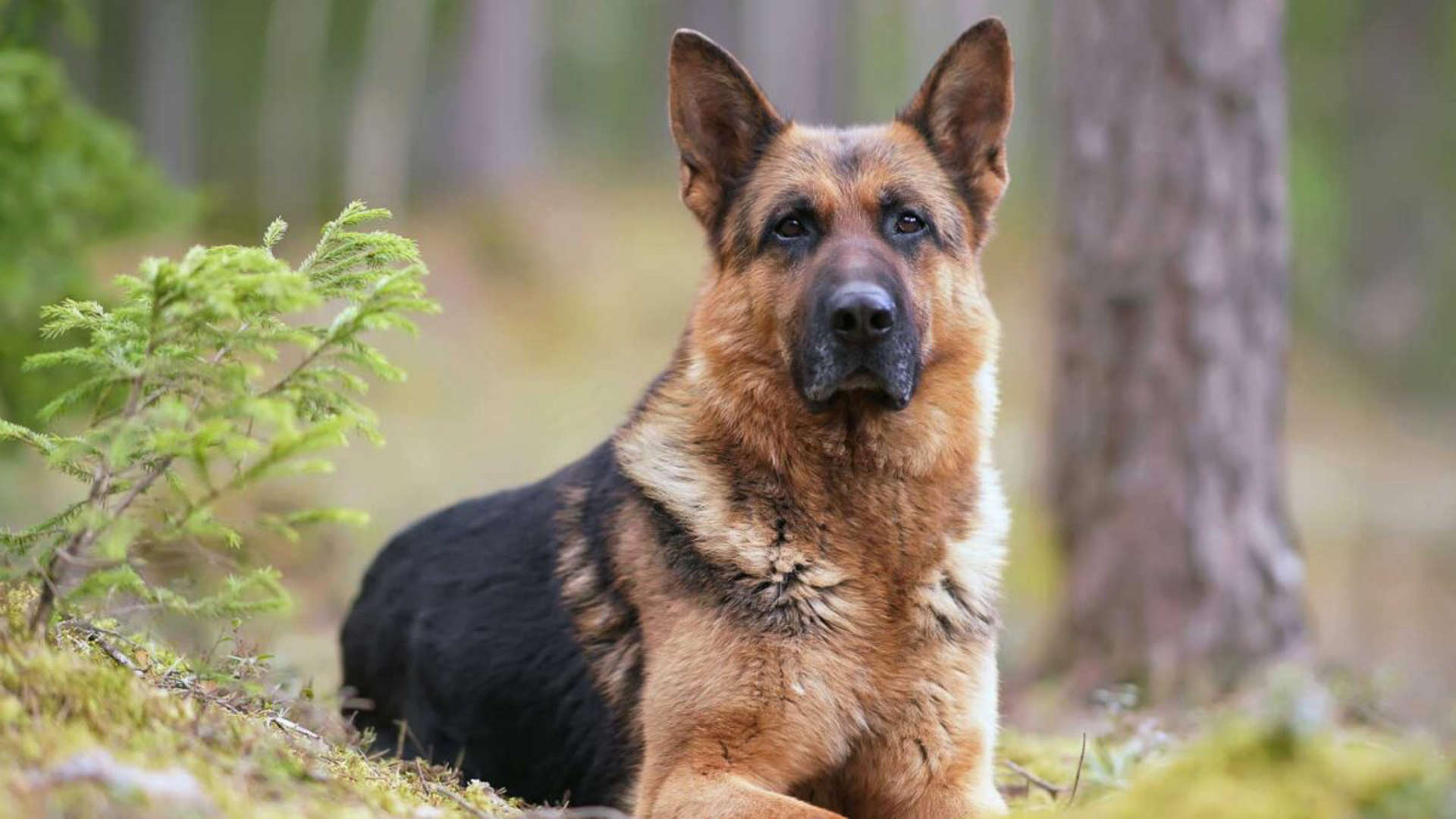
For many, a dog is more than a companion; it’s a furry family member and a key part of home security. A truly protective dog isn’t defined by aggression, but by a powerful combination of awareness, intelligence, and loyalty. The ideal guardian is observant, discerning, and responsive—able to distinguish between a friendly visitor and a genuine threat, and act with appropriate control.
The goal is a deterrent that provides peace of mind, not a liability. This guide explores breeds renowned for their protective instincts, from classic guardians to surprising sentinels, to help you find the right fit for your home and lifestyle.
Section 1: The Elite Guardians – Born to Protect
These breeds are the gold standard for protection work, possessing the size, intelligence, and innate drive that make them trusted partners for police, military, and security professionals.
1. German Shepherd
The quintessential protection dog, the German Shepherd is a blend of profound intelligence, unwavering loyalty, and formidable presence. They are highly trainable and possess a unique ability to assess situations, making them excellent at distinguishing between normal and threatening activity.
-
Key Traits: Intelligent, obedient, fiercely loyal, versatile.
-
Best For: Active families and owners committed to consistent training and socialization.
2. Belgian Malinois
Often described as a German Shepherd in a more compact, high-octane package, the Malinois is the breed of choice for elite military units. Their intense drive, agility, and focus are unparalleled.
-
Key Traits: High-energy, intensely focused, incredibly agile, loyal.
-
Best For: Experienced dog owners who can provide a job, rigorous daily exercise, and advanced training.
3. Rottweiler
A picture of quiet confidence and raw power, the Rottweiler is a natural guardian. They are deeply devoted to their family and inherently wary of strangers, making them superb property guardians.
-
Key Traits: Confident, calm, courageous, deeply bonding.
-
Best For: Strong, confident leaders who can provide firm, consistent training and early socialization.
4. Doberman Pinscher
Sleek, athletic, and perceptive, the Doberman is the epitome of a refined guardian. Their elegant appearance belies a fierce loyalty and lightning-fast response to perceived threats.
-
Key Traits: Alert, responsive, obedient, affectionate with family.
-
Best For: Active households seeking a highly trainable and vigilant family protector.
Section 2: The Imposing Sentinels – Deterrence by Presence
These breeds use their impressive size and deep, rumbling bark as their first line of defense. Their mere presence is often enough to deter any unwanted attention.
5. Bullmastiff
Bred to silently patrol estates, the Bullmastiff is a “gamekeeper’s night dog.” They are generally calm and docile at home but will not hesitate to physically block and hold an intruder without excessive biting.
-
Key Traits: Calm, imposing, extremely loyal, courageous.
-
Best For: Families looking for a low-energy but highly effective live-in deterrent.
6. Cane Corso
An Italian mastiff with a noble history, the Cane Corso is a serious guardian with a no-nonsense attitude. They are intensely devoted and highly observant, projecting an aura of controlled power.
-
Key Traits: Devoted, alert, majestic, requires experienced handling.
-
Best For: Very experienced dog owners who understand powerful guardian breeds.
7. Giant Schnauzer
The largest of the Schnauzer family, this breed is bold, powerful, and highly intelligent. They are naturally suspicious of strangers and have a strong work ethic, making them formidable and trainable protectors.
-
Key Traits: Strong-willed, loyal, highly trainable, requires mental stimulation.
-
Best For: Owners who can provide a structured environment and plenty of activity.
Section 3: The Loyal Protectors – Heart and Vigilance Combined
These breeds may not always have the same imposing physique, but they form such profound bonds with their families that their protective instincts are powered by sheer devotion.
8. Akita
A noble and silent guardian from Japan, the Akita is deeply loyal and reserved with strangers. They are independent thinkers, calm, and observant, often assessing a situation before acting.
-
Key Traits: Loyal, dignified, independent, reserved with strangers.
-
Best For: Experienced owners who respect a dog’s independence and can provide firm, consistent training.
9. Boxer
Playful and energetic with family, the Boxer transforms when a threat is perceived. Their athletic build, loud bark, and fearless nature make them excellent watchdogs who are always attuned to their environment.
-
Key Traits: Playful, energetic, alert, fearless.
-
Best For: Active families with children who want a playful but protective companion.
10. Rhodesian Ridgeback
Bred to hunt lions in Africa, the “Ridgeback” possesses immense courage and stamina. They are discerning guardians—not given to nuisance barking—but will stand their ground confidently when necessary.
-
Key Traits: Dignified, athletic, loyal, discerning.
-
Best For: Active owners who appreciate a sleek, low-maintenance coat and a quiet, confident companion.
Section 4: The Surprising Guardians – Don’t Judge a Book by Its Cover
Protection comes in all sizes. These breeds may be smaller or less conventional, but their instincts and loyalty are just as powerful.
11. Standard Poodle
Don’t let the fancy haircut fool you. Standard Poodles are among the most intelligent and athletic breeds. They are highly alert, quick to learn, and naturally suspicious of strange noises and people, making them exceptional watchdogs.
-
Key Traits: Highly intelligent, athletic, alert, hypoallergenic.
-
Best For: Families, including those with allergies, who want a smart and versatile dog.
12. Staffordshire Bull Terrier
“Staffies” are compact powerhouses of muscle and heart. They form incredibly strong bonds with their families and, while not traditional guard dogs, their confidence and courage make them fiercely protective of their home and loved ones.
-
Key Traits: Courageous, tenacious, affectionate with family, confident.
-
Best For: Families seeking a sturdy, loyal, and people-oriented companion.
13. Australian Cattle Dog
Tough, resilient, and sharp-witted, these herding dogs are naturally protective of their territory and “herd” (their family). Their high alertness and fearless attitude make them surprisingly capable watchdogs for their size.
-
Key Traits: Alert, fearless, intelligent, high-energy.
-
Best For: Active, experienced owners who can channel their high drive and intelligence.
The Ultimate Guardian Is a Well-Trained One
Regardless of breed, a dog’s protective instincts must be guided by proper training and socialization. An untrained guardian is a danger, while a well-trained one is a beloved and reliable member of the family. The best protection dog is one that is confident, obedient, and knows when its protective services are truly required.
Frequently Asked Questions (FAQs)
Q1: What’s the difference between a “watchdog” and a “guard dog”?
-
Watchdog: Alerts you to something unusual, primarily through barking. Many smaller breeds excel as watchdogs.
-
Guard Dog: Has the instinct and physical capability to deter or confront a threat. They are often more imposing and may act to physically intervene.
Q2: Are protective breeds safe with children?
Many protective breeds are famously excellent with children within their own family. Their loyalty extends to the whole pack. However, their size and energy require supervision, and it is crucial to teach children how to interact with dogs respectfully. Early socialization is non-negotiable.
Q3: I want a protective dog, but I’m a first-time owner. What should I consider?
Start with a breed known for a more balanced temperament. A Boxer or Standard Poodle can be excellent choices. Avoid high-drive, strong-willed breeds like the Belgian Malinois or Cane Corso without prior experience. Regardless of breed, commit to professional obedience training.
Q4: How important is training for a protective dog?
It is everything. Training provides the structure and guidance that channels a dog’s natural instincts in a safe and controllable way. Without it, protective instincts can become fear-based or unpredictable aggression.
Q5: Can you “make” a dog protective?
You cannot create a core protective instinct where one doesn’t exist. However, you can nurture and shape natural instincts through training. The best results come from selecting a breed with a known predisposition for protection and then training it to be obedient and discerning.