
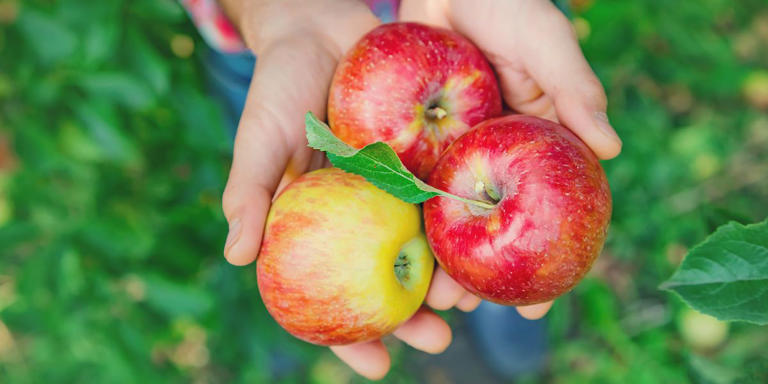
Day 0: The Promise of the Apple
There’s a saying every American kid grows up hearing:
“An apple a day keeps the doctor away.”
It’s printed on lunchboxes, painted in cafeterias, and tossed around by grandmothers like gospel truth.
But let’s be real — in a country where we’re more likely to grab a Starbucks latte or protein bar than reach for a piece of fruit, who actually eats an apple every single day anymore?
I didn’t. Not until one lazy Sunday afternoon when I was scrolling through my grocery delivery app and decided to test this old proverb myself.
Could eating one apple a day for a week really do anything noticeable?
I picked out a bag of Honeycrisps (because, well, this is America, and we don’t settle for bland apples), and started my seven-day experiment.
Day 1: The Crunch of Commitment
Monday morning, 8:00 a.m.
I sliced up a crisp, cold Honeycrisp and ate it while answering emails. It was refreshing, hydrating, and surprisingly filling.
By 10 a.m., I realized something: I hadn’t reached for my usual sugary mid-morning snack. Normally, I’d tear open a granola bar that’s basically dessert in disguise, but not today.
Apples have natural sugars balanced by fiber, which slows digestion and keeps blood sugar stable — something most Americans struggle with, thanks to our carb-heavy diets.
Lesson of the day: The simple apple is nature’s original energy bar.
Day 2: A Sweet Surprise
By Tuesday, I noticed something subtle but real — my digestion was… smoother.
Apples contain pectin, a soluble fiber that helps regulate the gut and promote healthy bacteria. My stomach felt lighter, less bloated, and I wasn’t crashing after lunch.
I did some quick research:
-
One medium apple has about 4 grams of fiber, nearly 15% of the daily recommendation.
-
The average American only gets half the fiber they need each day.
It hit me — this one apple was doing more for my body than the “healthy” protein bars I’d been buying.
Lesson of the day: Sometimes, the best nutrition isn’t packaged in bright wrappers or trendy labels. It’s growing on a tree.
Day 3: Sugar, But Make It Natural
On Wednesday, I started to crave apples — in a good way.
I’d eat one in the afternoon instead of raiding the vending machine for a soda or cookie. My energy felt steadier, my mood a bit brighter.
Apples contain natural fructose, but it’s wrapped in fiber and water, meaning it digests slowly — unlike the high-fructose corn syrup hidden in so many American snacks and drinks.
When you eat an apple, you don’t get that sharp sugar spike followed by the inevitable crash.
It’s a slow, steady release of energy — the kind that keeps you focused through a 3 p.m. Zoom meeting.
Lesson of the day: Not all sugars are created equal.
Day 4: The Glow-Up Moment
By Thursday, I started noticing something unexpected — my skin looked better.
Not magazine-cover better, but definitely fresher. Brighter. Hydrated.
Apples are rich in vitamin C and antioxidants, which fight free radicals and promote collagen production. Combine that with better digestion and hydration, and it’s no wonder my complexion looked more alive.
Plus, all that crunching? It actually helps clean your teeth naturally by stimulating saliva and reducing bacteria.
Who needs whitening strips when you’ve got Granny Smiths?
Lesson of the day: Beauty really does start from within — especially if “within” includes fruit fiber and vitamin C.
Day 5: The Hidden Benefit I Didn’t Expect
Friday morning hit like a ton of emails. Normally, I’d grab coffee and skip breakfast — but this time, I reached for an apple and some peanut butter.
Not only did it taste like a treat (seriously, this combo is elite), but I stayed full for hours.
When lunchtime rolled around, I realized something deeper was happening: I was snacking less and feeling more mindful.
Apples take time to eat — they force you to slow down.
That simple act of crunching, chewing, and savoring reconnects you with your food. And in a culture where eating is often rushed, distracted, or screen-filled, that’s powerful.
Lesson of the day: Mindful eating doesn’t have to involve meditation or fancy rituals. Sometimes it’s just taking 10 quiet minutes with an apple.
Day 6: The “Doctor Away” Connection
By Saturday, I woke up early — not groggy, not sluggish, just… good.
I went for a walk, grabbed an apple on my way out, and realized I hadn’t felt this balanced in a while.
Apples are low-calorie, nutrient-dense, and filled with compounds like quercetin, which supports heart health and reduces inflammation.
In fact, studies in the U.S. show that people who regularly eat apples have a lower risk of heart disease, type 2 diabetes, and certain cancers.
No wonder doctors keep singing their praises.
And while an apple a day won’t magically erase every health problem, it’s a symbol of consistency — the small, daily choices that build lasting wellness.
Lesson of the day: You don’t need a massive lifestyle overhaul to feel better. You just need consistency.
Day 7: The Reflection
By Sunday, I was honestly surprised at how much difference a single apple made.
Not because it’s some miracle fruit — but because it reminded me how simple habits can quietly shift your entire rhythm.
Here’s what I noticed after one week:
✅ More energy, fewer crashes
I wasn’t hitting that mid-afternoon slump. Apples helped stabilize my blood sugar better than coffee or candy.
✅ Better digestion
No bloating, no sluggishness — just light, steady energy.
✅ Clearer skin and better hydration
Vitamin C, antioxidants, and water content made a visible difference.
✅ Fewer cravings
That natural sweetness curbed my sugar addiction without feeling like deprivation.
✅ A mental shift
It made me mindful. More intentional about what I eat, how I feel, and how small choices add up.
The Science Behind the Crunch
If you’re wondering what exactly makes apples so beneficial, here’s a breakdown:
🥗 Fiber (Pectin): Helps digestion, controls cholesterol, stabilizes blood sugar.
💧 Water: Apples are 86% water — they hydrate you as you eat.
💊 Vitamin C: Supports immune health and brightens skin.
🍎 Polyphenols: Plant compounds that fight inflammation and support heart health.
💓 Low in Calories: Around 95 calories per medium apple — guilt-free snacking.
And for Americans who struggle with poor diets, processed food overload, and rising lifestyle diseases, this humble fruit can be a quiet reset button.
The American Problem Apples Can Help Fix
Let’s be honest — the U.S. has a nutrition problem.
Between fast food, sugary drinks, and 24/7 delivery options, the average diet is far from nature-based.
According to the CDC, only 12% of Americans eat the recommended amount of fruit each day. Twelve percent!
That means nearly nine out of ten of us are missing out on the simplest source of vitamins and fiber available — the apple sitting right in the produce aisle.
And the crazy thing? Apples are:
-
Cheap (under $1 each in most U.S. grocery stores)
-
Available year-round
-
Portable and mess-free
-
Kid- and lunchbox-friendly
No blender, no recipe, no cleanup — just grab, bite, and benefit.
Beyond a Week: Could I Keep Going?
By the end of my 7-day challenge, I realized something: I didn’t want to stop.
Eating an apple every day had become less of a task and more of a treat.
It replaced processed snacks, added fiber, and even became my “pause” moment in a busy day.
So I kept going. And now, a month later, my pantry always has a basket of apples front and center — not shoved behind the cereal boxes.
I’ve turned an old proverb into a personal health habit.
A Few Tips for Apple Eaters in the U.S.
If you’re inspired to try your own week-long apple challenge, here’s what I learned:
🍏 1. Go organic when possible.
Apples are on the Environmental Working Group’s “Dirty Dozen” list — meaning they can carry pesticide residue.
🍎 2. Don’t peel them.
Most of the antioxidants and fiber live in the skin. Give them a good rinse, and enjoy the crunch.
🍏 3. Mix up the varieties.
Each apple has its own benefits:
-
Honeycrisp – sweet, hydrating, great for snacks
-
Granny Smith – tart, low sugar, perfect for blood sugar control
-
Fuji – high in antioxidants
-
Gala – mild and great for digestion
🍎 4. Pair them smartly.
Add nut butter, cheese, or oats for more balanced snacks that include protein and healthy fats.
🍏 5. Store them right.
Keep them in the fridge — they last longer and stay crisp.
The Final Takeaway
So, did an apple a day keep the doctor away?
Maybe not literally — but it did keep cravings, fatigue, and bloating away.
It improved my digestion, boosted my focus, and made me realize how much better I feel when my food is closer to nature than to a barcode.
The biggest lesson wasn’t just about apples — it was about consistency, simplicity, and awareness.
We live in a culture obsessed with quick fixes — protein shakes, detox teas, supplements. But maybe the best “wellness hack” is sitting in your fruit bowl right now.
So the next time you’re racing out the door, skipping breakfast, or looking for a quick snack — grab an apple.
You might just find it’s the easiest way to feel a little more human, a little more balanced, and a lot more alive. 🍎