
Introduction: The Pricey Trap of ‘Improving’ Your Home
When you decide to sell your home, it’s natural to want to make it as appealing as possible. After all, buyers in the U.S. housing market—especially in competitive states like California, Texas, and Florida—expect move-in-ready homes that look straight out of a Pinterest board.
But here’s the harsh truth: not all home improvements pay off.
In fact, some “upgrades” can make your house less appealing to buyers or even hurt your profit margin. Whether it’s an overly personalized renovation, an unnecessary luxury feature, or an upgrade that costs more than it adds in value—many homeowners fall into these traps every year.
Before you spend a single dollar on renovations, read through these 15 “improvements” that might not be so smart after all—especially if your goal is to sell for top dollar.
1. Over-the-Top Kitchen Remodels
Yes, buyers love updated kitchens—but not when they feel like they’re paying for someone else’s taste.
Spending $80,000 on marble counters, custom cabinets, and luxury appliances in a mid-range home won’t necessarily boost your sale price. Most buyers would rather have a functional, modern kitchen than one that looks like it belongs in a Beverly Hills mansion.
💡 Smart alternative: Update cabinet doors, replace hardware, and add a new backsplash. Fresh paint in neutral tones goes a long way.
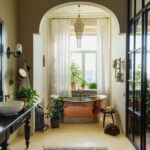
2. Fancy Bathrooms That Don’t Match the Home
You might love that Italian soaking tub and heated floors, but if your home is otherwise modest, buyers might see it as a mismatch—and a maintenance concern.
High-end bathroom remodels can cost tens of thousands of dollars, yet the average return on investment (ROI) hovers around 60% according to Remodeling Magazine’s 2024 Cost vs. Value report.
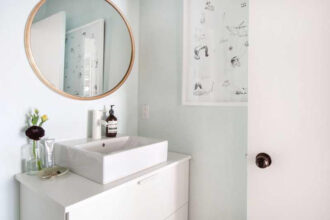
💡 Smart alternative: Focus on clean, functional bathrooms—new grout, updated lighting, and spotless fixtures sell better than gold faucets.
3. Swimming Pools
In many parts of the U.S., especially in the North and Midwest, a pool is seen more as a burden than a luxury.
Buyers worry about maintenance, repairs, liability, and insurance. Even in warmer states, pools don’t always boost home value as much as sellers expect.
💡 Smart alternative: Invest in attractive landscaping or a patio area instead—it appeals to more buyers and costs less to maintain.
4. Wall-to-Wall Carpeting
While plush carpeting feels cozy, it can turn off modern buyers who prefer hardwood or luxury vinyl. Carpets trap allergens and stains—something homebuyers notice instantly.
💡 Smart alternative: Replace carpets with durable flooring or refinish existing hardwood for a clean, timeless look.
5. Converting a Garage
Turning your garage into a gym, office, or living space might work for your lifestyle—but it’s a red flag for many buyers. Americans value garages for storage and protection from weather.
💡 Smart alternative: If you need a workspace, add a small shed or a corner office in another room—don’t sacrifice valuable parking space.
6. High-End Landscaping Overhauls
A lush garden may look great in photos, but elaborate landscaping often signals “high maintenance.” Buyers don’t want to spend weekends trimming hedges or managing irrigation systems.
💡 Smart alternative: Go for curb appeal—fresh mulch, trimmed shrubs, and simple flowerbeds. It’s inviting and easy to maintain.
7. Bold Paint Colors
Your lime-green accent wall or red dining room might make a statement—but not the one buyers are looking for.
Bright colors are deeply personal and can make it hard for buyers to visualize themselves in the space.
💡 Smart alternative: Stick with neutrals—soft grays, warm whites, and beiges make rooms look bigger and appeal to most tastes.
8. Adding Bedrooms by Reducing Living Space
Converting your dining room or den into a “bedroom” might sound like a good idea to boost your listing, but it often backfires.
Buyers value balanced layouts—taking away shared living space for an awkward extra bedroom can hurt the home’s flow.
💡 Smart alternative: Market your home’s flexible spaces (like “home office potential”) without structural changes.
9. Solar Panels (in Some Markets)
Solar panels are trendy, but in many U.S. regions, they don’t always increase home value—especially if they’re leased rather than owned outright.
Buyers may hesitate to take over long-term lease agreements or maintenance contracts.
💡 Smart alternative: If you’re installing solar purely to sell, skip it. Energy-efficient upgrades like new insulation or windows offer broader appeal.
10. DIY Projects That Look… DIY
That “weekend project” might save you money now, but shoddy workmanship is immediately obvious during home inspections.
Uneven tile, poorly hung doors, and messy caulking can make buyers question the quality of the entire home.
💡 Smart alternative: Hire licensed professionals for major repairs. Quality craftsmanship always sells better.
11. Built-In Electronics
That built-in sound system or in-wall TV mount might have been impressive in 2015, but technology evolves fast. By the time you sell, it could look outdated—or worse, difficult to remove.
💡 Smart alternative: Keep entertainment systems flexible and easy to update. Buyers prefer options over old tech.
12. Overcustomized Home Offices
Since remote work became common in the U.S., home offices are in demand—but not themed, overly built-in ones.
If you’ve turned your spare bedroom into a wall-to-wall command center, buyers might see it as wasted space.
💡 Smart alternative: Stage it as a light, multipurpose area—home office, craft room, or guest space.
13. Removing Closets
Some sellers think removing a closet makes a room feel bigger—but it instantly disqualifies the space as a bedroom in most U.S. real estate listings. That can lower your home’s appraised value.
💡 Smart alternative: Optimize closet organization instead of removing it. Buyers love smart storage solutions.
14. Overimproving for the Neighborhood
Adding luxury features—like a wine cellar or home theater—might make sense in high-end areas, but in an average neighborhood, you’ll likely never recoup those costs.
Buyers compare your home to others nearby, not to what it “could be.”
💡 Smart alternative: Renovate to the standard of your area, not beyond it. A real estate agent can help guide what buyers expect locally.
15. Ignoring Basic Repairs for Flashy Updates
This is one of the most common mistakes: spending thousands on cosmetic upgrades while skipping essential repairs.
A new chandelier won’t distract buyers from a leaky roof, cracked foundation, or outdated wiring. In fact, flashy upgrades can make the underlying problems more suspicious.
💡 Smart alternative: Fix the basics first. Functionality always beats fancy finishes in home sales.
Conclusion: Think Like a Buyer, Not a Seller
When preparing to sell, the best mindset isn’t, “What do I love?” but rather, “What will most people love—and pay for?”
The American real estate market rewards practicality, not personal passion projects. Your goal should be to present a clean, well-maintained, neutral home that lets buyers imagine their own lives there.
Before committing to any renovation, ask yourself these questions:
-
Does this appeal to the average U.S. buyer?
-
Is the cost justified by the potential increase in sale price?
-
Could this improvement limit my buyer pool instead of expanding it?
If the answer to any of these is “yes,” it’s time to rethink your approach.
Final Thought
The smartest home improvements are the ones that make your home feel well-loved but not overdone.
Instead of wasting thousands on flashy upgrades that might backfire, focus on the essentials: repairs, cleanliness, and curb appeal. Buyers don’t want perfection—they want potential.
And when you deliver that, you’ll sell faster, for more, and with far less stress.