
Introduction: The Fire Inside You Don’t See
It started with small things for Emily — stiff joints in the morning, random fatigue after lunch, and that dull ache in her lower back that no amount of stretching seemed to fix.
At 41, she wasn’t sick. Not really. But she wasn’t well either. Her doctor ran tests, shrugged, and suggested painkillers. But Emily wanted to know why her body felt like it was fighting itself.
That’s when she learned about chronic inflammation — the silent fire burning inside millions of Americans.
In simple terms, inflammation is your body’s natural defense. It helps heal cuts and fight infections. But when that response never turns off, it starts attacking healthy cells instead. Over time, chronic inflammation can lead to arthritis, heart disease, diabetes, and even Alzheimer’s.
And here’s the part most people miss: what you eat can either fuel the fire or put it out.
So, Emily decided to fight back — not with pills, but with her plate.
Here’s what she (and thousands of Americans like her) discovered: food is the most powerful anti-inflammatory medicine you’ll ever use.
1. Fatty Fish — The Ocean’s Medicine Cabinet
Emily’s first change was simple — she swapped her chicken dinner for salmon twice a week.
Fatty fish like salmon, mackerel, sardines, and trout are rich in omega-3 fatty acids, especially EPA and DHA. These compounds literally turn off the body’s inflammatory response at a cellular level.
“Think of omega-3s as firefighters,” says Dr. Andrew Weil, an American pioneer of integrative medicine. “They don’t just reduce inflammation — they help prevent it from starting.”
How to Eat It:
-
Aim for 2–3 servings of fatty fish per week.
-
Not a seafood fan? Try fish oil or algae-based omega-3 supplements.
2. Leafy Greens — The Alkaline Armor
When Emily replaced her lunchtime sandwich with a spinach and kale salad, she noticed something unexpected — her mid-afternoon fatigue started fading.
Leafy greens like kale, spinach, Swiss chard, and collard greens are packed with antioxidants, vitamin K, magnesium, and polyphenols — all of which neutralize inflammation-causing free radicals.
“Americans don’t eat nearly enough greens,” says Harvard nutrition researcher Dr. Walter Willett. “Yet they’re one of the simplest tools we have to prevent disease.”
How to Eat It:
-
Add greens to smoothies, omelets, and pasta.
-
Use kale or arugula as a base for grain bowls.
-
The darker the leaf, the stronger the anti-inflammatory punch.
3. Berries — Small but Mighty Antioxidant Bombs
Emily used to grab a muffin for breakfast. Now, it’s a bowl of blueberries, strawberries, and raspberries — and it’s made all the difference.
Berries contain anthocyanins, powerful antioxidants that give them their rich color and their inflammation-fighting abilities.
“We’ve seen measurable drops in inflammatory markers in people who eat berries daily,” says Dr. Frank Hu of Harvard’s School of Public Health.
How to Eat It:
-
Add a handful of berries to your morning yogurt or oatmeal.
-
Freeze them for smoothies or guilt-free desserts.
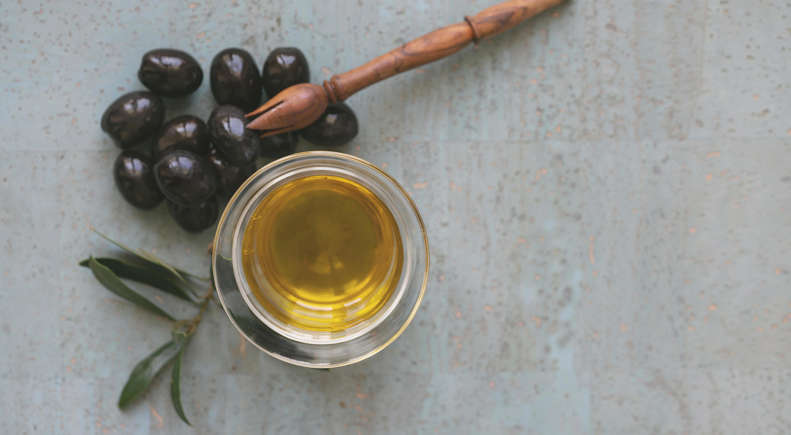
4. Olive Oil — The Liquid Gold of the Mediterranean
If you’ve ever wondered why people in Greece and Italy live longer and suffer less from chronic disease, look no further than extra virgin olive oil (EVOO).
Olive oil is rich in oleocanthal, a compound that acts similarly to ibuprofen in the body — reducing inflammation naturally without side effects.
“It’s medicine disguised as food,” says cardiologist Dr. Steven Gundry.
How to Eat It:
-
Use EVOO as your main cooking oil.
-
Drizzle it raw on salads, vegetables, or whole-grain bread.
5. Turmeric — The Golden Root That Heals
When Emily started adding a teaspoon of turmeric to her morning smoothie, she didn’t expect much. But within weeks, her chronic knee pain — a lingering souvenir from her jogging days — began to ease.
Turmeric’s active compound, curcumin, is one of the most powerful natural anti-inflammatories known to science. It blocks NF-kB, a molecule that triggers inflammatory processes in the body.
“Curcumin is more potent than many over-the-counter drugs — without the toxicity,” says Dr. Bharat Aggarwal, former researcher at MD Anderson Cancer Center.
How to Eat It:
-
Combine turmeric with black pepper (which boosts absorption by 2000%).
-
Add it to soups, stir-fries, or “golden milk” (turmeric, milk, honey, and cinnamon).
6. Green Tea — The Calm Within the Cup
Green tea isn’t just for Zen monks. It’s rich in EGCG (epigallocatechin gallate), a plant compound shown to lower inflammation and oxidative stress.
A 2021 study from UCLA found that regular green tea drinkers had lower C-reactive protein levels, a major indicator of chronic inflammation.
“Even one cup a day can make a measurable difference,” says Dr. Josh Axe, a U.S. natural health expert.
How to Drink It:
-
Brew fresh green tea (not bottled varieties, which are loaded with sugar).
-
Matcha, a powdered form of green tea, contains even higher levels of EGCG.
7. Nuts and Seeds — The Crunch That Heals
When afternoon cravings hit, Emily used to reach for chips. Now, she grabs a handful of almonds, walnuts, or chia seeds.
Nuts and seeds are packed with fiber, magnesium, and healthy fats, which help lower inflammation-related proteins like CRP and TNF-alpha.
“People who eat nuts regularly live longer and have fewer inflammatory diseases,” reports the American Heart Association.
How to Eat It:
-
Snack on raw or dry-roasted nuts (unsalted).
-
Sprinkle chia or flaxseeds on oatmeal, salads, or yogurt.
8. Garlic — Nature’s Immune Booster
Garlic isn’t just for flavor — it’s medicine. The compound allicin, released when garlic is crushed, has been shown to reduce inflammation and fight infection.
“Garlic supports the immune system by turning down inflammatory signals,” says Dr. Mark Hyman of the Cleveland Clinic.
How to Eat It:
-
Use fresh garlic (not powdered) for best results.
-
Add it to sautés, dressings, and marinades.
9. Tomatoes — The Red Shield
Tomatoes are one of America’s most accessible superfoods. Their bright color comes from lycopene, a potent antioxidant that reduces inflammation, especially in the lungs and heart.
Cooking tomatoes — as in sauces or soups — actually increases lycopene absorption.
“Lycopene levels shoot up when tomatoes are cooked in olive oil,” notes nutritionist Joy Bauer.
How to Eat It:
-
Use tomato sauce in pasta, chili, or roasted veggie dishes.
-
Choose organic to avoid pesticide residues that can trigger inflammation.
10. Whole Grains — The Forgotten Anti-Inflammatory Heroes
Processed carbs fuel inflammation. But whole grains like oatmeal, brown rice, quinoa, and barley do the opposite.
They’re high in fiber, which feeds gut bacteria that produce anti-inflammatory compounds like butyrate.
“Your gut is the control center for inflammation,” says Dr. Will Bulsiewicz, author of Fiber Fueled. “Feed it right, and everything improves.”
How to Eat It:
-
Replace white bread with whole-grain or sprouted varieties.
-
Try oatmeal or overnight oats for breakfast.
The American Inflammation Epidemic
Inflammation-related diseases are now among the leading causes of death in the United States — from heart disease to cancer to diabetes.
What’s tragic is that so much of it is preventable. According to the NIH, up to 70% of chronic illness risk can be reduced through lifestyle and diet changes.
But our modern diets — loaded with sugar, refined oils, and processed foods — are working against us.
That’s why adopting an anti-inflammatory lifestyle isn’t just a trend; it’s a necessity.
The Lifestyle That Amplifies Healing
Beyond diet, Emily learned that inflammation isn’t just about what you eat — it’s about how you live.
Here’s what the experts recommend for Americans fighting chronic inflammation:
✅ Move Daily: Even 30 minutes of brisk walking lowers inflammatory markers.
✅ Sleep Well: Poor sleep increases inflammation; aim for 7–8 hours.
✅ Manage Stress: Meditation, prayer, and deep breathing calm your nervous system.
✅ Stay Hydrated: Water helps flush toxins and maintain healthy circulation.
✅ Cut Processed Foods: Especially sugary drinks, refined carbs, and fried foods.
Within six months of her new routine, Emily’s pain faded, her energy returned, and her doctor told her something surprising: “Your inflammation markers are normal.”
Frequently Asked Questions
1. What are the main causes of chronic inflammation?
Chronic inflammation often stems from poor diet, stress, lack of sleep, smoking, and inactivity. Highly processed foods and excess sugar are major culprits in the U.S. diet.
2. How long does it take to reduce inflammation through food?
Most people notice improvements in 2–4 weeks, but complete cellular healing can take several months of consistent eating.
3. Can I still eat meat on an anti-inflammatory diet?
Yes — focus on lean meats like chicken, turkey, and fatty fish. Avoid processed meats like bacon, hot dogs, and deli slices.
4. Is coffee anti-inflammatory or inflammatory?
Moderate coffee consumption (1–2 cups/day) is actually anti-inflammatory, thanks to its polyphenols — as long as it’s not loaded with sugar or cream.
5. What are the worst foods for inflammation?
Refined carbs, added sugars, fried foods, processed meats, and trans fats are all inflammation triggers. These are the foods most common in the American diet.
6. Can supplements help reduce inflammation?
Yes — omega-3s, turmeric (curcumin), and probiotics can help, but whole foods should come first. Supplements only fill the gaps.
Final Thoughts: Let Food Be Thy Medicine
When Emily looks back, she says it feels like she traded pain for peace — one meal at a time.
The truth is, your body was designed to heal. But it needs your cooperation. Every time you choose berries over chips, olive oil over butter, or salmon over sausage, you’re sending your body a message: I’ve got your back.
America’s health revolution won’t start in hospitals or pharmacies. It’ll start in kitchens — with people who believe that the right foods can change everything.
Because sometimes, healing isn’t found in a prescription bottle. It’s found on your plate.