
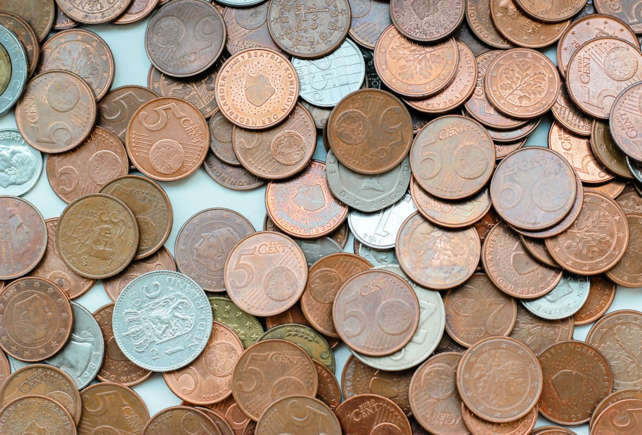
I have a core memory from my grandfather’s house: a giant glass jug, so heavy I could barely tip it, filled to the brim with copper pennies. It sat in his garage for years, a monument to patience and the belief that one day, all that “copper” would be worth something. He’d say, “Never let a penny pass you by, son. They add up.”
For generations, that was the American wisdom. But now, the world is changing. With the U.S. Mint officially slowing production of new pennies to a trickle—a staggering 70% reduction—the familiar jingle in our pockets and jars is becoming a fading sound. The era of the penny is quietly winding down.
This isn’t just a shift in policy; it’s the end of a 234-year-old chapter in American history. And it leaves us with a very practical question: what in the world should we do with all these pennies we’ve been saving?
Do we cash them in? Do we hold onto them? Before you drag that giant jar to the bank, let’s talk about the smart, and sometimes surprising, things you can do with your pennies as this chapter closes.
First, A Reality Check: Why The Penny is Passing
Let’s be blunt: the penny has lost its purpose. It costs the U.S. Mint more than two cents to make a one-cent piece. We’ve reached the point of economic absurdity where the coin is literally worth less than the materials and effort to produce it.
But the real death knell is its purchasing power. What can you buy for a penny today? Nothing. It’s a monetary ghost, a unit of currency that can no longer participate in commerce on its own. We round up or down in cash transactions in our heads, and digital payments have rendered its physical form obsolete.
The slowdown in minting is the first step toward eventual retirement. So, with that in mind, here’s your strategic guide to handling your penny stockpile.
Option 1: The Sentimental & Historical Play (Save Them)
This is for those who, like my grandfather, see more than just metal. The penny is a piece of American history, from the Flying Eagle to the Wheat Ears to the Lincoln Memorial.
What to Save:
-
Pre-1982 Pennies: This is the big one. Before 1982, pennies were made of 95% copper. Since then, they’ve been mostly zinc with a thin copper plating. A pre-1982 penny has a melt value (if it were legal to melt them, which it currently isn’t) that is consistently worth more than one cent. These are the coins collectors and speculators are hoarding. Sort these out and hold onto them. They are, effectively, tiny little copper bullion bars.
-
Wheat Pennies (1909-1958): These are already collectible. While common years aren’t worth a fortune, finding them is a thrill. Any penny with two wheat stalks on the back is a keeper.
-
Special Years and Errors: Keep an eye out for the 1943 Steel Penny (made of steel to save copper for the war effort), the 1955 Double Die Obverse (a famous error where the date and lettering are blurred and doubled), and any penny from 1982 that looks unusual (it was a transition year with both copper and zinc versions).
The Bottom Line: If you have the space and the patience, saving pre-1982 copper pennies is a legitimate, if long-term, bet on the value of the metal itself.
Option 2: The Practical & Philanthropic Play (Cash Them In or Donate)
Let’s be honest, most of us just have a giant jar of mixed, modern zinc pennies. They’re heavy, they’re messy, and you just want to be rid of them.
How to Cash Them In:
-
Roll Them Yourself: The old-fashioned way. Get paper rolls from your bank, spend a few nights sorting and rolling, and deposit them into your account. It’s tedious, but it’s free.
-
Use a Coin Counter (Carefully!): Many grocery stores and banks have coin-counting kiosks. Beware: the popular Coinstar machines and others like them charge a hefty fee (currently 11.9%) if you take cash. However, they often waive the fee if you convert your coins into a gift card for retailers like Amazon, Starbucks, or Home Depot. This is often the best value-for-effort trade-off.
How to Donate Them (The Most Powerful Option):
This is where your pennies can truly make a difference. That “worthless” jar can become a force for good.
-
Checkout Lane Donation Bins: Many stores have collection boxes at the register for local charities.
-
Your Local School: Schools often use pennies for math lessons, fundraising drives, or “penny wars.” Your donation could help buy new books or supplies.
-
Charities with National Reach: Organizations like the Leukemia & Lymphoma Society (through their “Pennies for Patients” program) or Ronald McDonald House Charities actively seek penny donations. Your seemingly insignificant coins, pooled with others, can provide a family with a place to stay while their child is in the hospital.
There’s a profound lesson here: a single penny is powerless, but a million pennies is $10,000. Donating your jar is a way to participate in that collective power.
Option 3: The Creative & Fun Play (Upcycle Them)
If the monetary return feels small, consider the creative return. Pennies can be transformed into beautiful and unique objects.
-
Penny Floor or Backsplash: A classic DIY project. Creating a mosaic with pennies (sealed with a strong epoxy) for a small bathroom floor, a bar top, or a kitchen backsplash creates a stunning, industrial-chic look that is literally embedded with history.
-
Art and Crafts: Glue pennies to a picture frame, a vase, or a tabletop for a touch of metallic shine. They can be used to create sculptures or, as my niece did once, to make “copper” rubbings.
-
The Legacy Jar: Don’t cash in the family jar. Keep it. Pass it on. Let it become a relic, a conversation starter about what money used to be. Let your grandchildren shake it and hear the sound of 20th-century America.
Your Penny Action Plan
So, what’s the final verdict? Here’s a simple, step-by-step plan:
-
Get Your Jar. Pour it out on the table. Enjoy the smell of old metal and memories.
-
Sort, Sort, Sort. This is the most important step. Create three piles:
-
Pile A (The Keepers): All pennies dated 1981 and earlier. Put these in a separate container and stash them away.
-
Pile B (The Donaters/Cashers): All post-1982 pennies. These are your candidates for the coin machine or donation.
-
Pile C (The Curiosities): Any wheat pennies, shiny uncirculated coins, or anything that looks odd. A quick Google search can help you identify if you have a rare error.
-
-
Execute Your Strategy. Take Pile B to a coin machine for a fee-free gift card, or better yet, find a local charity or school and donate them. The good feeling will be worth far more than the $15 you might have gotten from the bank.
The slowing of the penny mint is more than a budget decision; it’s a cultural moment. It forces us to reconsider the nature of value itself. Is value only what is printed on a coin, or is it in the metal, the history, and the good it can do when we put it together?
My grandfather’s giant jug sits in my garage now. I’ve sorted the copper from the zinc. The copper pennies I’ll keep, a tangible link to both him and a bygone era of American industry. The modern zinc pennies? They’re headed to my nephew’s elementary school for their next fundraising drive.
In the end, the greatest thing you can do with your pennies is to ensure they aren’t just forgotten, but that they’re given a final purpose worthy of their long service.