

The world is once again facing a serious fuel crisis. Rising crude oil prices, geopolitical tensions, supply chain disruptions, and increasing demand have pushed fuel costs higher than many families and businesses can comfortably afford. From daily commuters to transport companies and farmers, everyone feels the pressure when petrol and diesel prices rise.
But crises often create opportunity. The current fuel situation is forcing governments, industries, and individuals to rethink how we produce and use energy. Instead of depending almost entirely on fossil fuels like petrol, diesel, and coal, the world is shifting toward cleaner, more sustainable alternatives.
In this article, we’ll explore what alternative fuels are, why they matter right now, the most practical options available today, and how ordinary people can start using them.
Why the Fuel Crisis Is a Wake-Up Call
Traditional fuels—petrol, diesel, coal, and natural gas—come from fossil sources formed over millions of years. They are limited in supply. As global demand increases and reserves decrease, prices rise.
There are three major problems with fossil fuel dependence:
-
Limited supply – They will eventually run out.
-
Price volatility – Prices can rise suddenly due to political or economic events.
-
Environmental damage – Burning fossil fuels releases carbon dioxide (CO₂), contributing to climate change.
The fuel crisis is not just about money. It is about energy security, environmental protection, and long-term sustainability.
What Are Alternative Fuels?
Alternative fuels are energy sources that replace traditional fossil fuels. They are typically:
-
Renewable (can be replenished naturally)
-
Cleaner (produce less pollution)
-
Locally producible (reduce imports)
-
Sustainable (long-term solution)
Let’s explore the most important alternatives in 2026.
1. Electric Energy (EV Revolution)
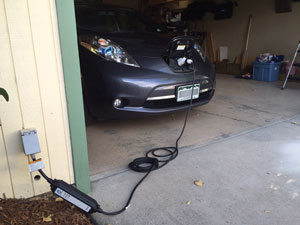
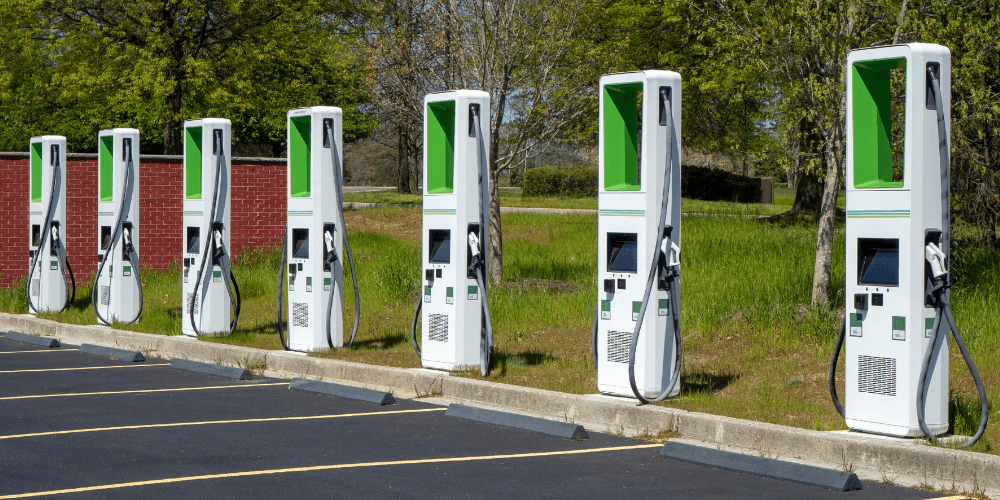
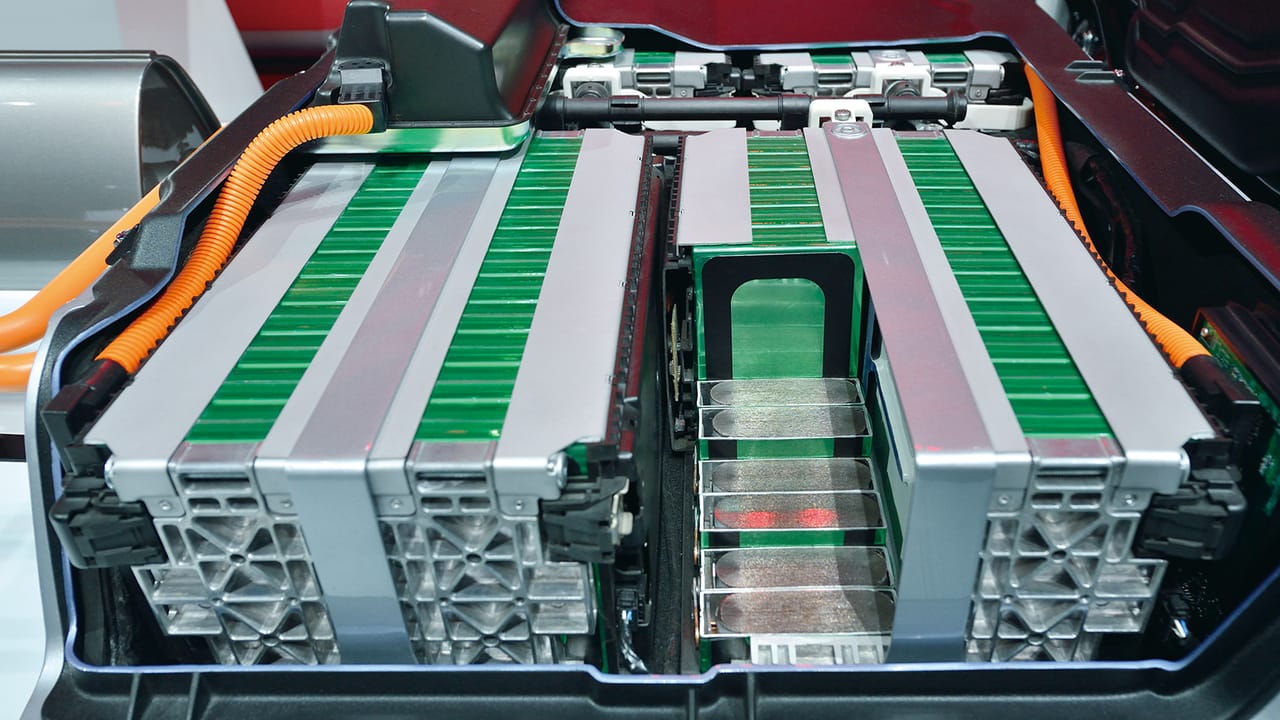
One of the most popular fuel alternatives today is electricity, especially in transportation.
Companies like Tesla and BYD have transformed the automobile industry by producing electric vehicles (EVs) that run entirely on battery power.
How It Works
-
EVs use rechargeable lithium-ion batteries.
-
Electricity powers a motor instead of an engine.
-
The battery is charged at home or public charging stations.
Benefits
-
Zero tailpipe emissions
-
Lower running costs
-
Less maintenance
-
Quiet operation
How to Use It
-
Buy an electric car, bike, or scooter.
-
Install a home charging unit.
-
Use public charging networks.
-
Charge overnight for daily commuting.
Electric two-wheelers are especially practical in urban areas where daily travel is under 40–50 km.
2. Solar Energy

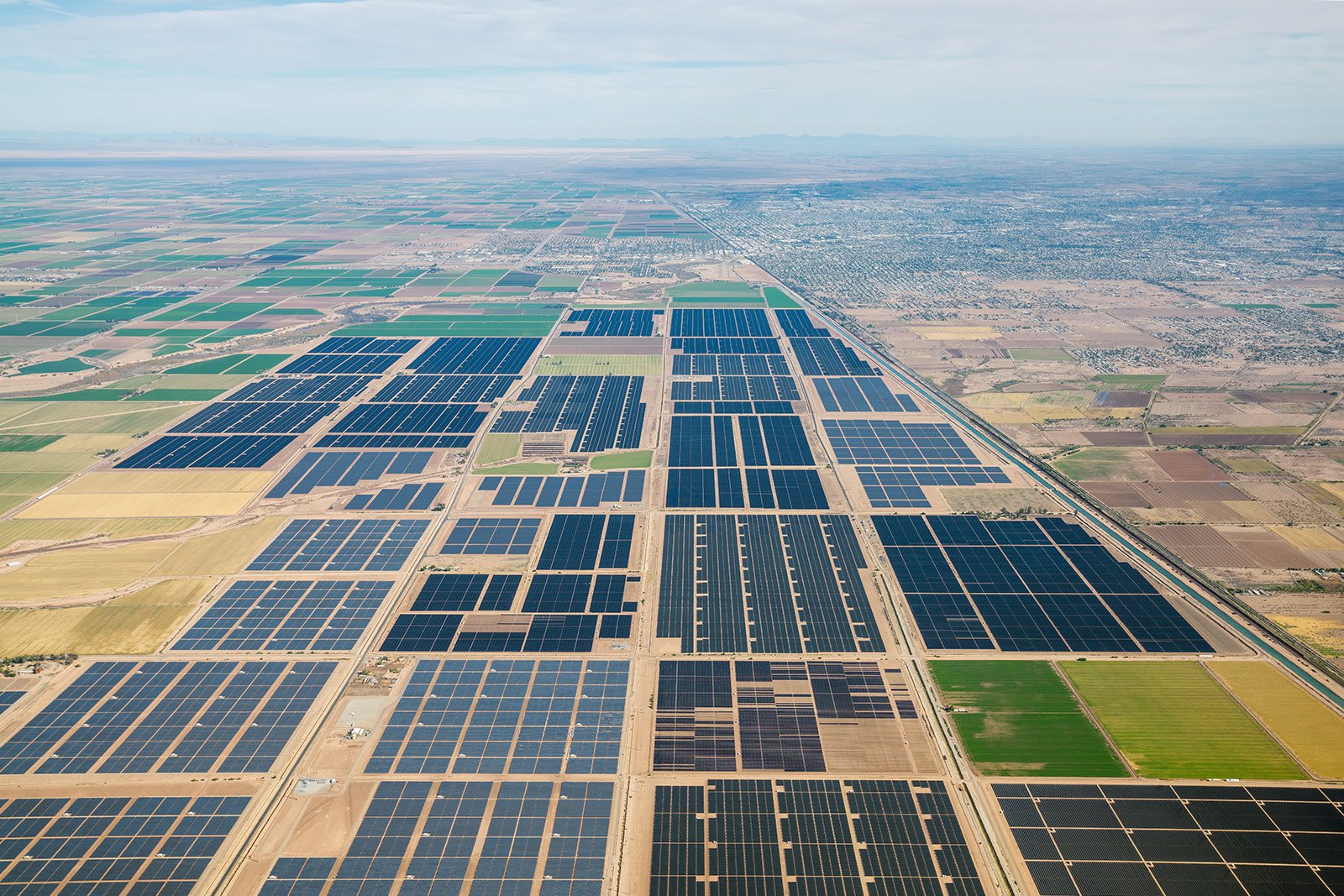

Solar energy is one of the fastest-growing renewable energy sources in the world.
Countries like India and United States are rapidly expanding solar power infrastructure.
How It Works
-
Solar panels absorb sunlight.
-
Panels convert sunlight into electricity.
-
An inverter converts DC electricity into usable AC power.
-
Excess energy can be stored in batteries or sent to the grid.
Benefits
-
Free energy from the sun
-
Reduces electricity bills
-
Low maintenance
-
Clean and renewable
How to Use It
-
Install rooftop solar panels at home.
-
Use solar-powered water heaters.
-
Install solar pumps for farming.
-
Use solar street lights or solar lanterns.
Even small rooftop systems can significantly reduce dependence on grid electricity generated from coal.
3. Biofuels (Ethanol & Biodiesel)


Biofuels are made from plants and organic materials. Two common types are:
-
Ethanol (blended with petrol)
-
Biodiesel (used instead of diesel)
Many countries now promote ethanol blending programs to reduce petrol use.
How It Works
-
Ethanol is produced from crops like corn or sugarcane.
-
Biodiesel is made from vegetable oils or animal fats.
-
These fuels are blended with regular petrol or diesel.
Benefits
-
Renewable
-
Reduces carbon emissions
-
Supports farmers
-
Compatible with existing engines (in blends)
How to Use It
-
Use E10 or E20 petrol (10–20% ethanol blend).
-
Use biodiesel blends in diesel engines.
-
Ensure your vehicle is compatible with higher ethanol blends.
Biofuels are a short-to-medium term solution that reduces fossil fuel dependency.
4. Hydrogen Fuel
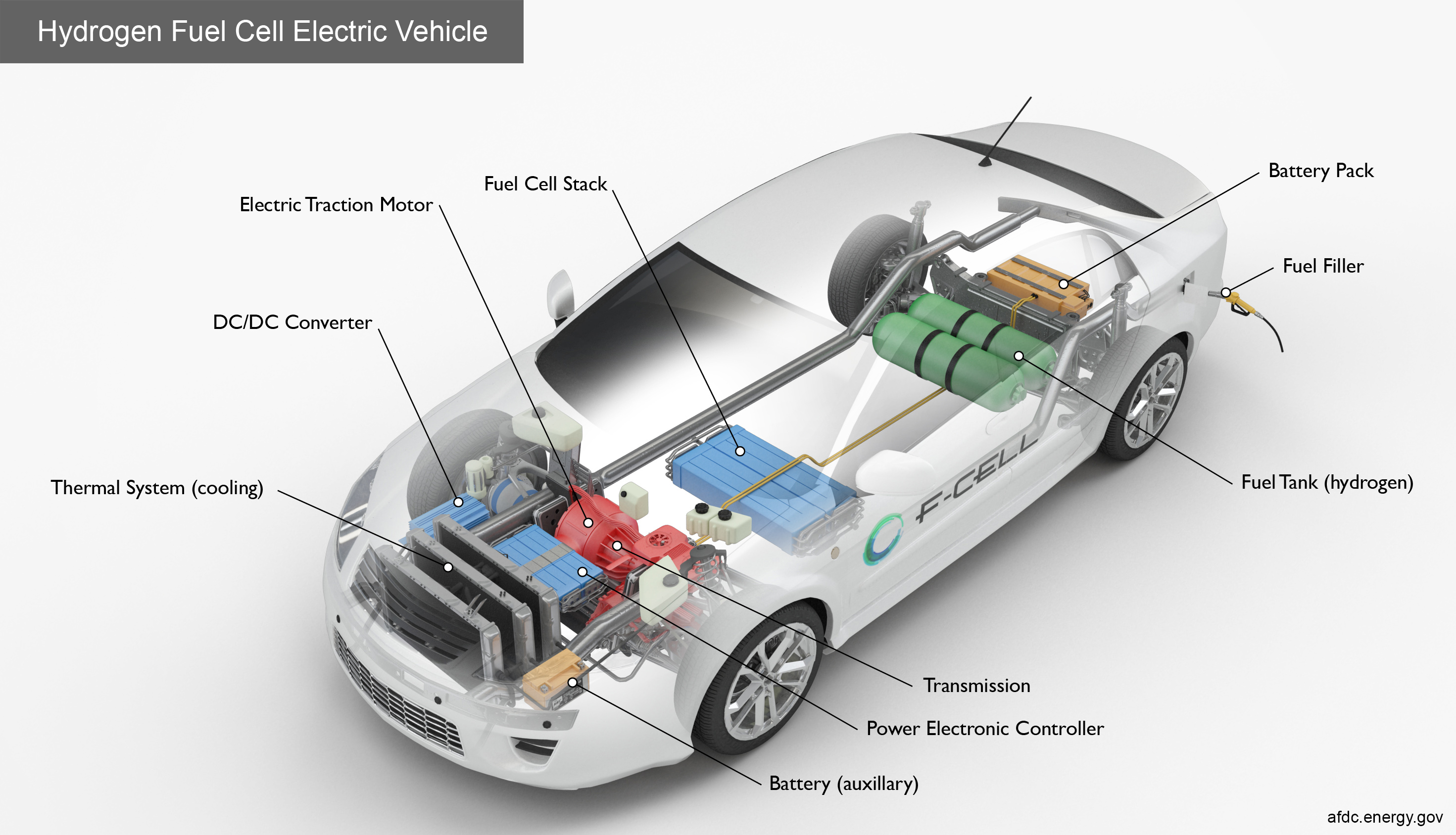


Hydrogen is considered the fuel of the future.
Companies like Toyota are already producing hydrogen-powered vehicles.
How It Works
-
Hydrogen gas is stored in high-pressure tanks.
-
Fuel cells convert hydrogen into electricity.
-
The only emission is water vapor.
Benefits
-
Zero carbon emissions at use
-
Fast refueling
-
Long driving range
Challenges
-
Expensive infrastructure
-
Limited hydrogen stations
-
High production costs
Hydrogen may play a big role in heavy trucks, buses, and industrial transport.
5. Compressed Natural Gas (CNG)
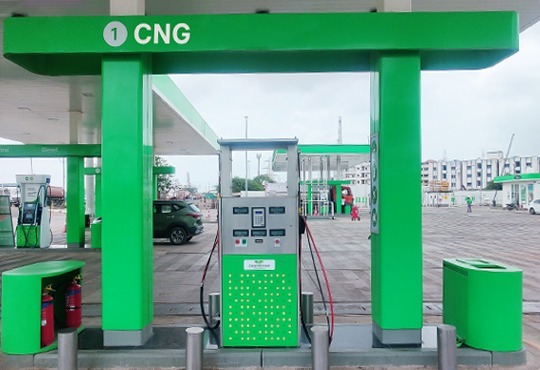


CNG is cleaner than petrol and diesel and already widely used in cities.
Benefits
-
Cheaper than petrol
-
Lower emissions
-
Widely available in many urban areas
How to Use It
-
Buy a factory-fitted CNG vehicle.
-
Convert a petrol car to CNG (with certified kit).
-
Refuel at CNG stations.
Though not fully renewable, CNG is a cleaner transitional fuel.
6. Wind Energy


Wind power is another major renewable energy source.
Countries like Denmark lead in wind energy adoption.
How It Works
-
Wind turns turbine blades.
-
Turbines generate electricity.
-
Electricity is supplied to the grid.
Wind energy is mostly used at utility scale, but small wind turbines can power rural homes.
7. Biogas
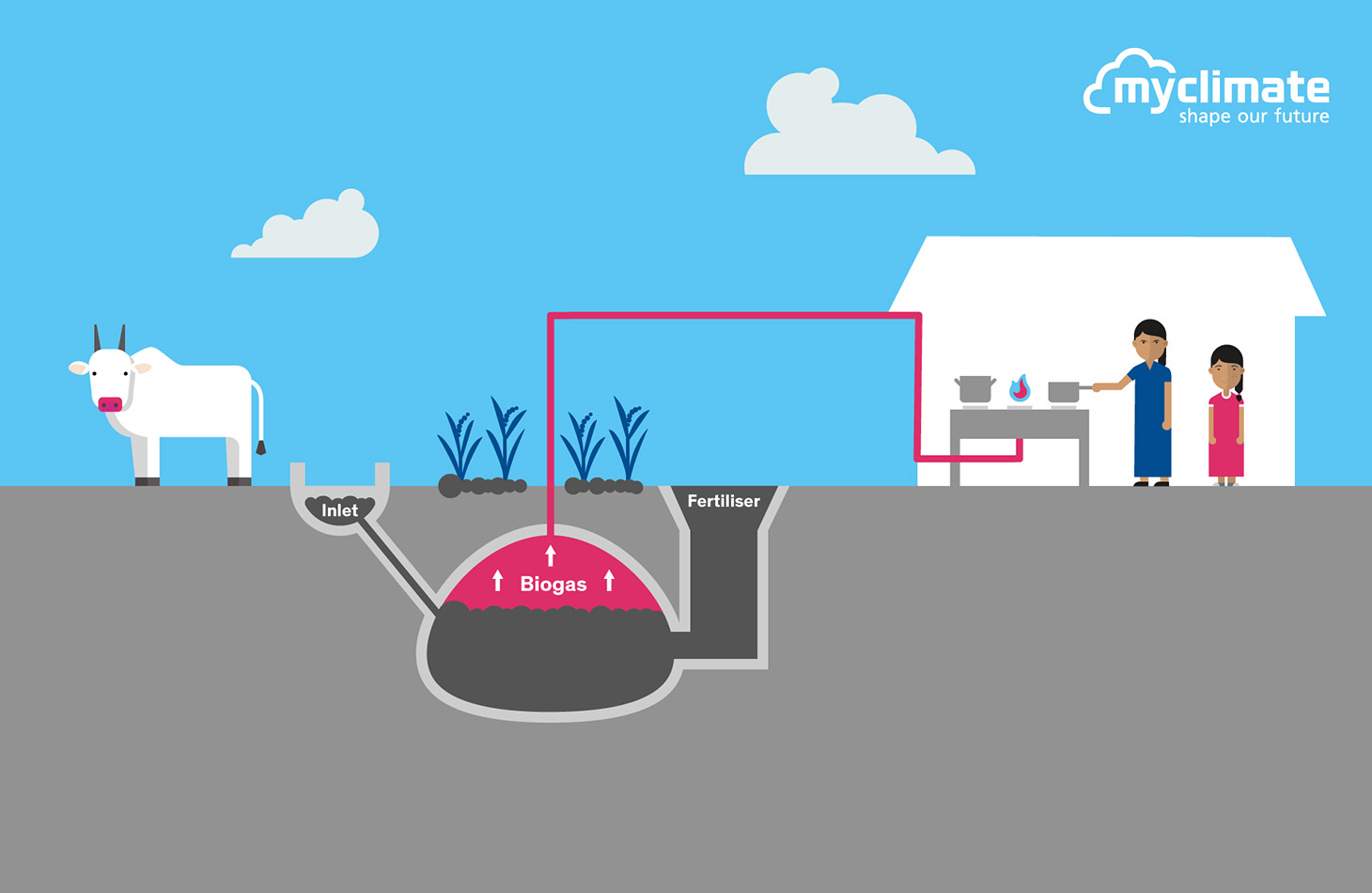

Biogas is produced from animal waste, food waste, and organic matter.
How It Works
-
Organic waste decomposes in an airtight tank.
-
Methane gas is produced.
-
Gas is used for cooking or electricity.
Benefits
-
Low cost
-
Waste management solution
-
Rural-friendly
-
Reduces LPG dependency
Farmers can install small biogas plants for cooking fuel.
How Individuals Can Respond to the Fuel Crisis
You don’t need to be a government or billionaire to make a difference.
Here are practical steps:
1. Reduce Fuel Consumption
-
Carpool
-
Use public transport
-
Maintain proper tire pressure
-
Avoid unnecessary trips
2. Switch to Electric Two-Wheelers
For daily city travel, electric scooters are affordable and cost-effective.
3. Install Rooftop Solar
Even a small 2–3 kW system reduces grid dependency.
4. Use Ethanol-Blended Fuel
Choose E20 where available.
5. Support Clean Energy Policies
Encourage local adoption of renewable energy.
Government Role in Alternative Fuel Adoption
Governments must:
-
Provide subsidies for EVs.
-
Expand charging infrastructure.
-
Encourage solar installation.
-
Support hydrogen research.
-
Offer tax incentives.
Countries investing early in renewables will be more energy secure.
The Economic Impact of Switching to Alternatives
Switching to alternative fuels:
-
Creates new jobs.
-
Reduces oil imports.
-
Strengthens local economies.
-
Stabilizes energy prices long-term.
The renewable energy sector is becoming one of the fastest-growing industries globally.
Environmental Benefits
Alternative fuels:
-
Reduce greenhouse gases
-
Improve air quality
-
Lower health problems
-
Protect future generations
Clean energy is not just about saving money—it’s about saving the planet.
Challenges We Must Overcome
Despite progress, challenges remain:
-
High upfront costs
-
Limited infrastructure
-
Public awareness gaps
-
Technology limitations
However, technology costs are falling every year.
The Future of Fuel
The future will likely include a mix of:
-
Electric vehicles
-
Solar-powered homes
-
Hydrogen trucks
-
Biofuel blending
-
Smart grids
No single solution will replace fossil fuels overnight. But combined, these alternatives can gradually reduce dependence.
Conclusion: A Crisis That Can Lead to Change
The current fuel crisis is painful, but it is also necessary. It reminds us that fossil fuels are not forever. It pushes innovation, investment, and awareness.
Alternative fuels are no longer “future concepts.” They are present-day solutions.
From electric vehicles to rooftop solar panels, from biogas plants to ethanol blending, we already have the tools. What we need now is faster adoption and smarter energy choices.
If individuals, businesses, and governments act together, this fuel crisis can become the turning point toward a cleaner, more stable, and more affordable energy future.
The shift has already begun. The question is not whether alternative fuels will replace traditional fuels—but how fast we are willing to embrace the change.