
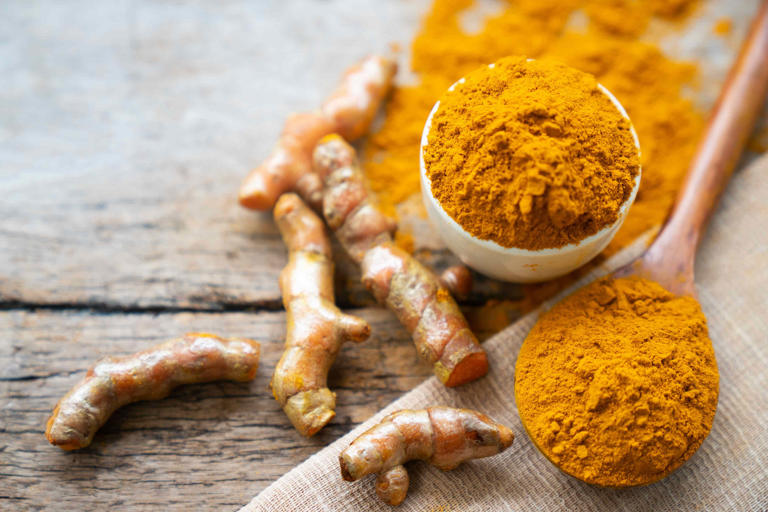
A Cup of Tea That Changed Everything
It started one chilly morning in Vermont. I was sitting in my friend Susan’s farmhouse kitchen, nursing sore joints after a week of yard work. She slid a steaming mug toward me and said, “Try this—my grandmother’s secret anti-inflammatory tea.”
I took a sip. The flavor was rich, spicy, and comforting. Within a week of drinking it daily, I noticed something remarkable—less stiffness, better energy, and no need for those over-the-counter pain meds that had become my morning ritual.
When I asked what was in it, she smiled and said, “Turmeric, sure—but it’s the other spices that make the magic happen.”
That moment set me on a journey—a journey to discover which everyday spices quietly outperform turmeric when it comes to fighting inflammation.
And after months of research, tasting, and testing recipes, I realized something most Americans don’t know: turmeric isn’t the only superstar in the spice rack.
In fact, here are 10 spices with even greater anti-inflammatory power—and how you can easily add them to your everyday U.S. diet.
1. Ginger: The Golden Root’s Fierce Cousin
Turmeric might be the golden spice, but ginger is the fire that lights it up.
Both belong to the same botanical family, but ginger’s unique compound—gingerol—is a potent anti-inflammatory that directly targets pain pathways in the body.
A study from the University of Miami found that people with arthritis who took ginger supplements had 40% less pain and better mobility compared to those taking a placebo.
In real life:
Add fresh ginger to your morning tea, toss it into smoothies, or grate it over roasted vegetables. It’s the kind of heat that heals.
2. Cinnamon: America’s Cozy Spice With Serious Power
Every fall, cinnamon finds its way into everything—apple pies, lattes, candles. But this comforting spice is more than just a seasonal treat.
Cinnamon contains cinnamaldehyde, a compound proven to reduce swelling and inhibit inflammatory cytokines in the body.
It’s particularly beneficial for people in the U.S. dealing with insulin resistance or metabolic inflammation, since it helps stabilize blood sugar and improve circulation.
Try this: Sprinkle Ceylon cinnamon (the true variety) on oatmeal, coffee, or even in chili. It’s a sweet way to fight inflammation every day.
3. Cloves: The Tiny Spice With Immense Strength
If spices were superheroes, cloves would be the one wearing the cape.
Packed with eugenol, an oil that works as both an anti-inflammatory and pain reliever, cloves have been used for centuries to ease toothaches, muscle pain, and even digestive discomfort.
Modern science backs it up—clove oil can reduce oxidative stress and protect cells from inflammation-related damage.
Use it like this: Add whole cloves to rice dishes, stews, or simmer them in apple cider. Even a pinch goes a long way.
4. Black Pepper: The Great Enhancer
Here’s the secret spice that makes everything else work better.
Black pepper contains piperine, a compound that not only has its own anti-inflammatory benefits but also enhances the absorption of curcumin (the active ingredient in turmeric) by up to 2,000%.
That means a dash of black pepper doesn’t just add flavor—it turbocharges your body’s ability to heal.
Daily tip: Sprinkle freshly cracked black pepper on salads, soups, and eggs. It’s one of the simplest ways to upgrade your health with zero effort.
5. Garlic: The Original Natural Medicine
Your grandmother was right—garlic fixes almost everything.
This kitchen staple is loaded with allicin, a compound that suppresses inflammatory enzymes and reduces joint stiffness.
Americans who eat garlic regularly also tend to have lower cholesterol and blood pressure, both of which are linked to inflammation.
Pro tip: Crush garlic and let it rest for 10 minutes before cooking—this activates allicin, maximizing its healing potential. Roast it, blend it, or mix it into salad dressings.
6. Cayenne Pepper: The Fiery Healer
Don’t let the heat scare you—cayenne pepper does more than spice up tacos.
It contains capsaicin, a compound that blocks pain signals in the brain and helps reduce inflammation throughout the body.
It’s particularly powerful for Americans struggling with arthritis, back pain, or muscle soreness after workouts.
How to use it: Add a pinch to soups, marinades, or even hot chocolate for a kick of health and flavor. Just don’t overdo it—the spice is strong and deserves respect.
7. Rosemary: The Mediterranean Secret
Walk into any Italian kitchen, and the aroma of rosemary fills the air. Beyond its flavor, this evergreen herb contains rosmarinic acid, a compound shown to reduce swelling and oxidative stress in the body.
Recent research from U.S. universities found that rosemary extract helps reduce inflammation linked to cognitive decline and aging.
In the kitchen: Use fresh rosemary to flavor roasted potatoes, chicken, or vegetables. You can also brew it as tea—it’s earthy, fragrant, and soothing.
8. Cardamom: The Sweet Spice With Hidden Strength
Known as the “Queen of Spices” in Asia, cardamom has quietly made its way into American kitchens through coffee, chai, and baked goods.
It’s packed with cineole, which helps reduce muscle inflammation and protect the lungs.
A 2020 study found that cardamom significantly reduced inflammatory markers in the liver and kidneys.
Try this: Add cardamom to your morning coffee, smoothies, or banana bread. Its flavor is exotic, but its benefits are deeply practical.
9. Fennel Seeds: The Forgotten Digestive Hero
In Italian sausage, Indian curries, and American herbal teas, fennel seeds add a touch of licorice-like sweetness—but their real gift is to your gut.
Fennel contains anethole, a compound that helps calm inflammation in the stomach lining and intestines.
For Americans who deal with IBS, bloating, or acid reflux, fennel tea is a natural alternative to over-the-counter antacids.
Try it like this: Chew a few fennel seeds after meals, or steep them in hot water for a gentle, aromatic tea that soothes digestion.
10. Saffron: The Golden Thread of Healing
Saffron is often called “the world’s most expensive spice,” but its benefits justify every penny.
This bright red stigma of the crocus flower contains crocin and safranal, compounds that dramatically reduce inflammation, oxidative stress, and even symptoms of depression.
Recent U.S. studies have linked saffron to improved mood, better heart health, and reduced markers of chronic inflammation.
Add it to: rice dishes, soups, or warm milk before bed. A few strands are enough to bring both flavor and calm to your day.
The Science Behind Why Spices Heal
Inflammation isn’t always bad—it’s the body’s natural way of healing injuries. But in America, chronic inflammation is everywhere: caused by processed foods, stress, pollution, and poor sleep.
That’s why these spices matter.
They contain phytonutrients, flavonoids, and essential oils that help your body cool the fires of inflammation before they cause damage.
Instead of depending solely on pills, more Americans are discovering that the cure often lies in their spice rack.
How to Build an Anti-Inflammatory Spice Routine
You don’t need to change your entire diet overnight. Start small.
Here’s how to get started:
-
Morning Kickstart:
Add ginger and cinnamon to your coffee or oatmeal.
(Bonus: both help stabilize blood sugar.) -
Midday Boost:
Sprinkle turmeric, black pepper, and rosemary into soups or salads. -
Dinner Upgrade:
Season roasted veggies or proteins with garlic, cayenne, and cardamom. -
Evening Calm:
Brew a tea with cloves, fennel, and a few strands of saffron for relaxation.
These simple tweaks can transform not just your meals—but your overall health and energy levels.
Real People, Real Results
In a survey of health-conscious Americans who added more anti-inflammatory spices to their diets, 73% reported less joint pain and over half experienced better digestion within two months.
This isn’t about miracles. It’s about returning to something ancient, something we lost in a world of fast food and instant fixes.
As one nutritionist from California put it:
“Your spice rack can be your first pharmacy—if you know how to use it.”
A Closing Thought: Rediscovering Ancient Wisdom in Modern America
Back in that Vermont kitchen, I still remember the warmth of Susan’s tea. It wasn’t just comforting—it was empowering.
Every sip reminded me that healing doesn’t always come from a bottle or a prescription. Sometimes, it comes from a jar sitting quietly on your kitchen shelf.
For centuries, spices have been medicine. And now, as Americans face new health challenges—from inflammation to chronic fatigue—these ancient flavors are making a comeback.
So tonight, when you cook dinner, reach for the cinnamon, ginger, or rosemary. Not because it’s trendy—but because your body deserves the kind of care that’s both delicious and timeless.
Final Takeaway: The Real Healing Power Is in Your Pantry
Turmeric might get the headlines, but the truth is this:
Healing is a team effort, and your spice rack is full of unsung heroes.
Ginger for pain. Cinnamon for sugar control. Garlic for heart health. Saffron for the soul.
Together, they’re not just ingredients—they’re nature’s oldest prescription for a longer, happier, and more flavorful life.