Sixty years ago doesn’t sound that far back — at least not until you stop and think about it.
Sixty years ago, the year was 1965.
The Beatles were on every radio, kids were learning to “duck and cover,” milk cost 95 cents per gallon, and restaurants proudly advertised “air conditioning” like it was a luxury cruise amenity.
It was a different world.
A world with different ideas, fears, habits, and — let’s be honest — some truly strange beliefs.
Today, we look back and laugh, shake our heads, or sometimes get nostalgic. But those beliefs weren’t random — they reflected the culture, technology, and anxieties of the time. They shaped how people lived and how America evolved.
So, let’s take a journey down memory lane and explore 15 weird things Americans believed 60 years ago — through stories, humor, and a glimpse into how these ideas influenced the world we know today.
1. People Thought Sitting Too Close to the TV Would Permanently Damage Your Eyes
Every American household in the 60s had the same warning:
“Move back! You’ll ruin your eyesight!”
Parents said it like it was written in the Constitution.
It wasn’t based on science — TVs were just new, and adults were suspicious of glowing boxes with moving people inside them. Kids weren’t afraid; they pressed their noses right to the glass. Still, the belief became a cultural rule.
Today’s kids watch screens inches from their faces on tablets, phones, and VR headsets… and the nation somehow survived.
2. Many Americans Believed Left-Handed Kids Should Be “Corrected”
Being left-handed was once seen as unusual, unlucky, or even “defiant.”
Teachers actually forced children to switch to their right hand — especially in strict schools.
Imagine little left-handed kids in the 60s trying to write awkwardly with the “approved” hand while their teachers hovered over them like writing police.
Weird? Absolutely.
But it was a common American classroom practice.
3. People Thought Wearing a Wet Swimsuit Would Give You a Cold
This was classic motherly wisdom — and completely wrong.
But back then, American moms were convinced that a kid sitting around in damp swim trunks was practically begging to get sick.
Cold weather = catching a cold.
Wet clothes = catching a cold.
Breathing cold air = catching a cold.
Basically, everything caused a cold — except the actual thing that causes colds: viruses.
4. Americans Believed Butter Was “Bad” and Margarine Was the Health Food Hero
Oh, the irony.
In the 1960s, Americans genuinely believed margarine was the healthier, modern, sophisticated choice. Butter? That was “old-fashioned” and supposedly terrible for your heart.
Restaurants proudly served bright-yellow margarine pats instead of butter like they were doing you a favor.
Fast-forward to today:
People are back to worshipping butter like it’s golden sunshine on toast, and margarine? Let’s just say its fan club got small.
5. People Believed Car Seatbelts Could Trap You and Make You Die in a Crash
Yes, really.
In the 60s, many Americans refused to wear seatbelts. The rumor was that if you buckled up, you wouldn’t be able to escape from an accident — especially from a fire or into water.
Car companies didn’t push seatbelts either, because consumers didn’t want them.
Kids rode standing up, sleeping on the back dashboard, or tumbling around like they were in a rolling playground.
Compared to today’s ultra-safe car seats and rear cameras, it feels like a different universe.
6. People Thought Microwaves Were Dangerous Rays That Could “Leak Out” and Shrink Organs
Microwaves became a household thing in the late 1960s, and Americans were terrified of them.
The belief was that microwave radiation could leak out and:
-
damage organs
-
make you sterile
-
cause food to become radioactive
-
or shrink body parts (yes, people feared this)
Some families refused to stand in the kitchen while the microwave was running — just in case.
Today, people stand in front of the microwave watching pizza rolls spin like it’s a cooking show.
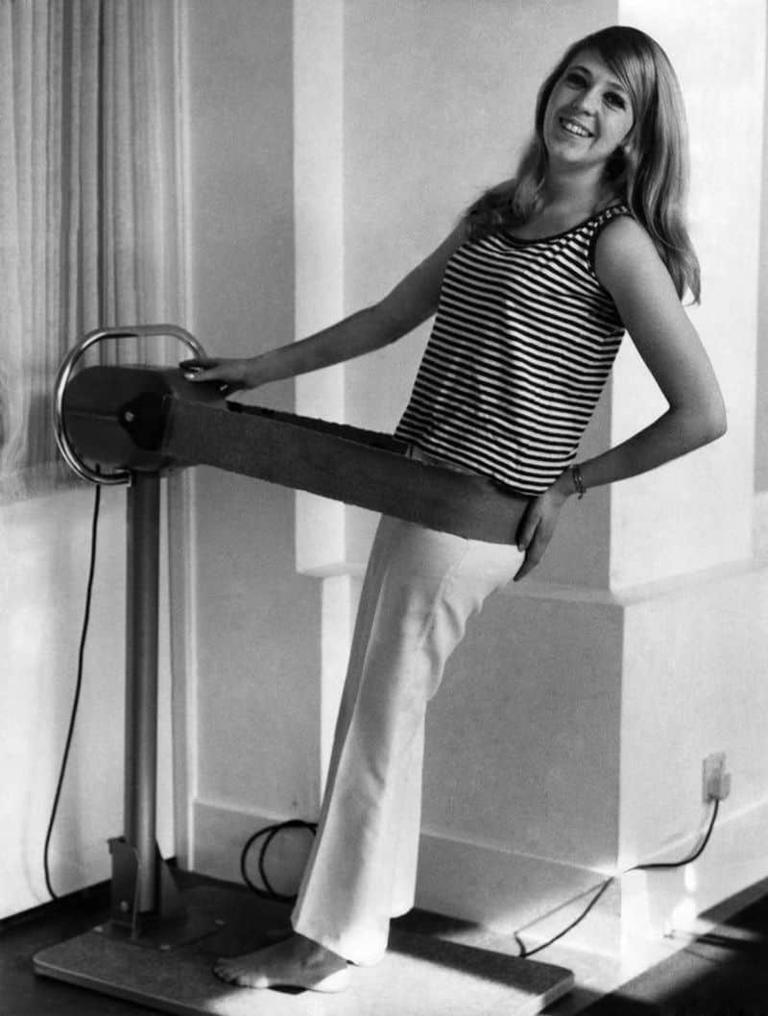
7. A Lot of Americans Thought Exercise Was Dangerous for Women
If a woman jogged, lifted weights, or exercised too hard, many believed:
-
she’d “damage her fertility”
-
her uterus would “fall out”
-
she’d become “too masculine”
-
or she’d “overheat her system”
The idea of women running marathons? Unthinkable.
Today, American women are dominating marathons, Ironman races, and CrossFit competitions.
Sixty years made a huge difference.
8. People Believed Smoking Was Relaxing and Good for Stress
This one is hard to imagine now, but in the 1960s, smoking was everywhere — offices, airplanes, hospitals, restaurants.
People smoked to relax, think clearly, lose weight, relieve stress, and even help digestion.
There were ashtrays in cars, on nightstands, in grocery stores, and even inside classrooms (for teachers).
It was considered normal and even “cool.”
Looking back, it’s surreal that people didn’t find it weird to smoke in front of babies or inside small rooms with no ventilation.
9. Many Americans Thought Hair-Gel and Hairspray Could Make You Explode Near Heat
Because of a few dramatic stories (and a lot of imagination), some people believed that if you used too much hairspray and walked near a stove or heater, your head might burst into flames.
Teenagers using heavy hairspray before a date?
Parents warned them like they were prepping for a fire stunt show.
Thankfully, America did not have widespread spontaneous hairstyle combustion.
10. There Was a Genuine Fear That Talking on the Phone During Lightning Could Electrocute You
People believed lightning could travel through telephone lines and strike you dead mid-conversation.
If a storm rolled in, Americans hung up the phone immediately — even in the middle of serious conversations.
“Call me back later! There’s lightning!”
Click.
This belief continued well into the 80s for some households.
11. Many Thought Sugar Was Harmless and “Kids Just Needed to Burn It Off”
In the 1960s, sugary cereal wasn’t just a treat — it was breakfast nutrition.
Kids weren’t “hyperactive”; they were “energetic.”
Candy and soda weren’t health concerns; they were rewards.
A bowl of cereal with five teaspoons of sugar?
Standard American childhood.
People didn’t think sugar affected behavior, weight, or health. It was just… sweet.
12. Some Americans Believed Air Travel Required Fancy Clothes
Flying was expensive, and it had an elegant reputation.
People genuinely believed you needed to dress up — suits, dresses, gloves, polished shoes — to prove you were respectable enough to fly.
Imagine wearing your Sunday best to sit in a tiny airplane seat for four hours.
Today, Americans fly in sweatpants, blankets, and sometimes pajamas — and no one blinks.
13. People Thought Drinking Water During Workouts Was Dangerous
Athletes were told:
“Don’t drink too much water during practice — it’ll slow you down.”
Coaches believed water made players weak. Some youth sports programs even had “no water break” rules. Kids played full games without hydration, especially in summer heat.
Looking back, it feels unbelievable — and dangerous.
14. Americans Believed TV “Static” Was the Universe Talking to Us
Here’s a fun one:
When TVs lost signal, that black-and-white snowy static was believed to contain “signals from space,” “cosmic noise,” or “messages from the universe.”
Kids stared at it like it was alien communication.
Adults slapped the TV like that would fix the cosmos.
It was strange, mysterious, and kind of poetic.
15. People Thought Fast Food Would Always Be a Rare Treat, Not a Way of Life
In the 60s, fast-food chains were still new. Going to McDonald’s or Burger King was an event.
Americans believed fast food was a “treat,” not a regular meal.
Nobody in the 1960s could have imagined:
-
drive-throughs everywhere
-
mega-sized drinks
-
fast food becoming part of daily American life
-
apps delivering fries to your door in minutes
What started as novelty became normal — and changed American culture forever.
Why These Beliefs Mattered
It’s easy to laugh at the strange beliefs of the past, but they reveal something important:
Every generation thinks it’s living in the peak of “modern understanding.”
Sixty years from now, future Americans will look back at us and say:
“Wow… they believed that?”
That’s the beauty of history.
Each decade redefines what is normal, smart, safe, or weird.
What These Weird Beliefs Teach Us Today
Looking back at these old ideas shows us:
✔ How fast knowledge changes
✔ How technology shapes culture
✔ How fears and myths spread
✔ How society grows, learns, and evolves
It reminds us to stay curious, question assumptions, and be humble about what we think we “know for sure.”
Because one day, our “normal” might be someone else’s “weird.”
FAQs
1. Why did people believe such strange things in the 1960s?
Information spread slowly, technology was new, and cultural fears shaped beliefs. Without the internet, myths lasted longer.
2. Were all these beliefs common across America?
Many were widespread, especially in suburban households. Others varied by region, tradition, or community.
3. What is the biggest difference between beliefs now and 60 years ago?
Today, information moves fast, and people question things quicker. In the past, you believed what you were told — especially by parents or authority figures.
4. Will people in the future laugh at what we believe today?
Absolutely. Every era thinks it’s the smartest. The future will prove otherwise — just like the past did.
5. Why is it important to look back on weird beliefs?
It helps us understand how society has evolved and reminds us that progress often happens quietly, one changed belief at a time.