
The Experiment That Started With a Craving
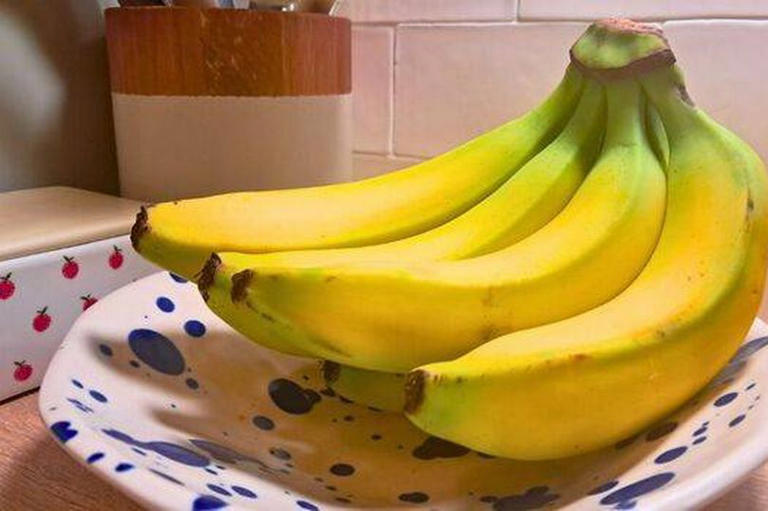
It all started on an ordinary Monday morning in Austin, Texas. I was running late for work, skipped breakfast, and grabbed a single banana from the counter — the easiest thing I could find.
What I didn’t know then was that one small act would turn into a 60-day experiment that completely changed the way I felt about energy, digestion, and even mood.
That day, while sitting at my desk with coffee in one hand and a banana peel in the trash, I thought, “Maybe I’ll just keep doing this — one banana every morning.”
And that’s how it began.
For two months, I ate one banana every single day. Sometimes it was sliced on peanut butter toast, sometimes blended into a smoothie, and sometimes eaten plain between Zoom meetings.
The results? Way more surprising than I expected.
So, here’s the honest, human breakdown of what really happens when you eat a banana every day — the good, the bad, and the “wait, is that even possible?”
🍯 Week 1: The Instant Energy Boost
The first thing I noticed? Bananas give a clean, quick burst of energy.
Unlike sugary cereals or coffee highs, the banana didn’t make me crash an hour later. I just… felt steady. Alert, but not wired.
That’s because bananas contain natural sugars — glucose, fructose, and sucrose — paired with fiber. The fiber slows the release of sugar into your bloodstream, giving you sustained energy.
By midweek, I realized I wasn’t reaching for snacks between meals anymore. My energy stayed consistent through my morning commute, my workout, and even those dreaded afternoon meetings.
A doctor I later spoke with described it simply:
“Bananas are nature’s pre-packaged energy bar — full of potassium, vitamin B6, and fiber.”
I didn’t need a lab test to confirm it. My body already knew.
💩 Week 2: Gut Health Gets an Upgrade
By the second week, something shifted quietly but noticeably — my digestion improved.
No bloating. No discomfort. Just, well… everything working on schedule.
It turns out bananas are rich in prebiotics, the “food” that helps feed the good bacteria in your gut.
Prebiotics + good bacteria = a healthier microbiome.
For years, I’d spent money on probiotics and fancy yogurts. Now, one 30-cent banana was doing the same job — naturally.
I even started feeling lighter. Less sluggish after meals. It wasn’t magic; it was fiber doing its job.
💖 Week 3: My Heart Was Thankful
By week three, I’d gone from skeptic to believer.
See, the banana isn’t just good for your stomach — it’s a friend to your heart, too.
Each banana carries around 400–450 mg of potassium, and that mineral is crucial for maintaining healthy blood pressure and balancing sodium levels.
In the U.S., where processed foods are everywhere and most people get too much sodium and not enough potassium, this one fruit quietly helps balance the scale.
I’m not saying a banana is a cure for heart problems. But when I started tracking my meals, I realized this habit pushed me closer to a healthier, more balanced diet — without effort.
🧠 Week 4: The Brain-Boosting Surprise
Something unexpected happened around week four: I started feeling sharper.
Less brain fog. More focus.
Bananas contain vitamin B6, a key nutrient for producing neurotransmitters like serotonin and dopamine — the brain’s “feel-good” chemicals.
On tough workdays, I noticed my mood didn’t dip as easily. Whether it was placebo or science, I felt calmer, steadier, and more optimistic.
And here’s the funny part: I’d stopped craving sweets. Instead of donuts or muffins, I’d think, “Eh, I’ll just have a banana.”
When your body starts asking for fruit instead of sugar, that’s a quiet sign that it’s happy.
⚖️ Week 5: Weight Balance Without Trying
By week five, I wasn’t trying to lose weight — but I did.
About four pounds down, without changing my meals or workouts.
How? Simple. Bananas made me full.
Their combination of fiber + resistant starch helps slow digestion, keeping you satisfied longer. And because they’re naturally sweet, they replaced my afternoon cookie habit.
The result? I was eating fewer empty calories without even noticing.
Americans often think healthy eating has to be expensive or complicated. But sometimes, it’s as easy as grabbing what nature already perfected.
😬 Week 6: The Minor Downside
Let’s be honest — eating anything every day has its quirks.
By week six, I realized bananas can be a little high in natural sugars for people watching their blood sugar levels. I don’t have diabetes, but I could see why moderation matters.
If you eat multiple bananas a day (especially ripe ones), your sugar intake can add up.
So, I adjusted — kept it to one a day, sometimes half if I was eating other fruit.
Another tip: Pairing a banana with protein or healthy fats (like peanut butter or Greek yogurt) helps stabilize your blood sugar even more.
It’s all about balance, not restriction.
🩺 What Doctors Say Happens When You Eat a Banana Daily
After my little experiment, I asked a nutritionist and family doctor about the science behind what I felt. Here’s what they explained:
1. Better Digestion and Regularity
Bananas contain soluble and insoluble fiber, helping move food smoothly through your digestive system. One banana a day keeps your gut happy.
2. Heart Health Support
Potassium helps your body flush out sodium, easing pressure on blood vessel walls — a big win for cardiovascular health.
3. Mood and Stress Balance
The vitamin B6 and amino acid tryptophan in bananas help the body produce serotonin, a neurotransmitter that regulates mood and sleep.
4. Muscle and Nerve Support
Bananas are rich in magnesium and potassium, both vital for muscle recovery and preventing cramps — no wonder athletes swear by them.
5. Steady Energy Levels
They’re a natural energy booster, making them a perfect pre-workout or mid-day snack.
6. Healthy Skin and Hair
The vitamins C and B6 promote collagen production and reduce dryness, subtly improving skin tone over time.
🍽️ The Best Ways to Eat Bananas (Without Getting Bored)
After 60 days, I became a pro at mixing things up. Here are my favorite U.S.-style banana hacks:
-
Breakfast Smoothie: Blend banana, almond milk, oats, and cinnamon.
-
Banana Pancakes: Mash banana with eggs and oats — simple, gluten-free.
-
Peanut Butter Toast: Spread peanut butter, top with sliced banana and chia seeds.
-
Frozen Treat: Dip banana slices in dark chocolate, freeze overnight for a guilt-free dessert.
-
Yogurt Bowl: Mix Greek yogurt, banana, walnuts, and a drizzle of honey.
Healthy, easy, and ready in minutes — perfect for busy mornings or late-night hunger pangs.
🌿 The Bigger Lesson I Learned
After 60 days of eating a banana daily, my biggest takeaway wasn’t just about nutrition — it was about consistency.
In a world obsessed with fast diets and trendy detoxes, I realized that real change doesn’t come from extremes. It comes from small, steady habits.
That single banana — a humble, 100-calorie fruit — reminded me that taking care of your body doesn’t have to be complicated or expensive.
It just has to be consistent.
I felt more energized, slept better, had clearer skin, and even handled stress more calmly.
Now, I don’t eat one every single day, but bananas have become a staple in my routine — a little yellow reminder that health can start with something as simple as breakfast.
🍌 FAQs: What Happens When You Eat a Banana Every Day
1. Can I eat more than one banana a day?
Yes, most people can safely eat one to two bananas daily. Just be mindful if you’re diabetic or watching sugar intake — pair it with protein or healthy fats to balance blood sugar.
2. Do bananas cause weight gain?
No, not when eaten in moderation. Bananas are low in calories and high in fiber, which helps keep you full.
3. What time of day is best to eat a banana?
Morning or pre-workout is ideal for an energy boost. Avoid right before bed if you have digestive issues, since it’s best to give your body time to process the fruit.
4. Are bananas bad for people with diabetes?
Not necessarily. Choose less ripe (greener) bananas — they contain less sugar and more resistant starch. Always consult your doctor for personalized advice.
5. Do bananas help with muscle cramps?
Yes. Their potassium and magnesium help relax muscles and prevent cramps — that’s why athletes often eat them before or after workouts.
6. Can I eat bananas if I’m trying to lose weight?
Absolutely. Bananas are filling, low in fat, and make an excellent replacement for processed snacks.
💬 Final Thought
The next time you see a bunch of bananas at your local grocery store, don’t underestimate them.
That simple yellow fruit isn’t just a quick snack — it’s a small daily choice that supports your energy, mood, heart, and digestion.
After two months, I realized something profound: health doesn’t have to come from a bottle, supplement, or expensive plan. Sometimes, it comes from nature — wrapped in a peel, sitting quietly on your kitchen counter.
So yes — eat that banana. Every day if you want to.
Because sometimes, the smallest habits lead to the biggest transformations. 🍌✨