
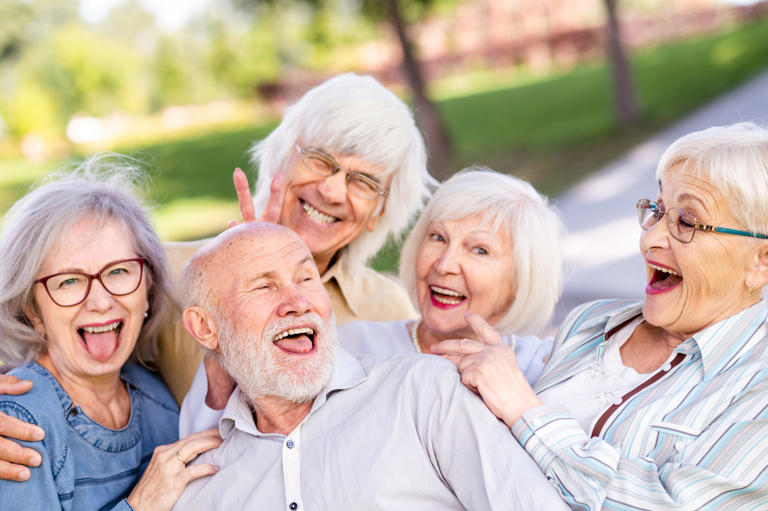
Chapter 1: The Mystery of the 100-Year-Olds
When you meet someone who’s lived past 100, there’s something magical about them.
Their eyes sparkle differently. Their laughter comes slower, deeper, more grateful.
In a quiet town in Florida, there’s a woman named Margaret who just turned 104. Every morning, she walks to her porch with a cup of tea, waves to her neighbors, and says the same thing she’s said for the last twenty years:
“Every day is a gift — I just try to unwrap it slowly.”
Across the country in Oregon, a man named Thomas still tends to his small vegetable garden at 101. He says it keeps him “young in the bones and kind in the mind.”
For decades, scientists have been obsessed with people like Margaret and Thomas — centenarians, those rare individuals who live beyond 100 years with surprising health and clarity.
Recently, one major longevity study analyzed 4,330 centenarians — and after years of research, thousands of interviews, and endless data charts, they discovered two things every one of them had in common.
And no, it wasn’t expensive supplements, strict diets, or miracle genes.
It was something far simpler — and far more powerful.
Chapter 2: The Two Secrets of Living Long
After studying thousands of people across different regions, lifestyles, and backgrounds, scientists found that nearly all centenarians shared two unshakable habits:
1. A Deep Sense of Purpose
2. Strong, Genuine Social Connections
Let’s unpack these two — because they might just change how you live your own life.
Chapter 3: The First Secret — Purpose Keeps You Alive
When researchers interviewed these 100-year-olds, they weren’t just curious about what they ate or how much they exercised — they wanted to know why they got up in the morning.
And almost every centenarian had a reason.
-
Some took care of great-grandkids.
-
Some volunteered in their communities.
-
Some tended gardens, baked pies, or wrote letters every week to old friends.
It wasn’t about money or fame.
It was about meaning.
Purpose Isn’t Complicated
Purpose doesn’t have to be running a business or saving the world.
For many centenarians, it was something beautifully small:
-
“Feeding the birds every morning.”
-
“Making people smile.”
-
“Keeping my family together.”
They lived with direction, not perfection.
Margaret, our 104-year-old from Florida, says,
“The day you stop having a reason to wake up is the day your body starts listening.”
Purpose acts like a quiet engine inside you — it pushes you forward, heals you faster, and protects you from the weight of life’s stress.
Even modern neuroscience supports this idea: people with strong life purpose tend to have lower levels of stress hormones, better heart health, and sharper mental focus.
But here’s the catch — you can’t buy purpose.
You build it.
And it often starts small.
How to Build Your Own Sense of Purpose
Here are a few steps centenarians often took — even without realizing it:
-
Stay Curious.
They never stopped learning. Whether it was crossword puzzles, gardening, or new hobbies — they kept their minds engaged. -
Help Someone Else.
Many volunteered, cooked for neighbors, or checked in on friends. Serving others gave them a deep sense of belonging. -
Stay Needed.
They kept roles in their family — the storyteller, the advisor, the “one who remembers everything.” Feeling useful keeps your heart young. -
Connect Daily.
Purpose is often found through people — not projects. They didn’t isolate. They reached out.
Chapter 4: The Second Secret — Relationships Are the Real Fountain of Youth
If purpose gives you direction, connection gives you strength.
When researchers compared thousands of centenarians, they discovered something stunning:
The people who lived longest weren’t necessarily the healthiest or richest — they were the most connected.
Loneliness Is Deadly
In the U.S., loneliness has become a silent epidemic. Studies show it can be as harmful as smoking 15 cigarettes a day.
But centenarians rarely feel lonely — because they never stopped building relationships.
They ate meals with family.
They called friends regularly.
They chatted with neighbors.
It didn’t matter whether they lived in big cities or small towns — what mattered was community.
The Power of Belonging
In a world that glorifies independence, centenarians remind us that interdependence — leaning on others — is what really sustains us.
Thomas, the gardener from Oregon, puts it perfectly:
“My secret isn’t diet or exercise. It’s people. I’ve had coffee with the same three friends every Thursday for forty years. When one couldn’t make it, we went to him.”
That kind of loyalty doesn’t just warm the heart — it strengthens the body.
When you feel loved and connected, your body releases hormones that reduce inflammation, lower blood pressure, and boost immunity.
It’s like your heart gets stronger from every smile shared.
How to Strengthen Your Connections (Like the 100-Year-Olds)
-
Be the one who reaches out.
Don’t wait for others to call — send the text, start the conversation, plan the visit. -
Join something.
A local walking group, book club, or community class — being part of something builds bonds faster than you think. -
Share meals.
Eating together is one of the simplest, oldest forms of connection. Centenarians almost always ate with others. -
Forgive faster.
Holding grudges steals your peace. Many centenarians mentioned that forgiveness was key to their long life.
Chapter 5: What They Don’t Have in Common
Interestingly, not all centenarians eat the same foods or follow the same exercise routines.
Some eat meat daily; others are vegetarian.
Some walk miles a day; others just move around their homes.
Some drink wine; others don’t drink at all.
What they don’t have in common is obsession.
They don’t live in fear of every calorie or supplement.
They enjoy their meals, rest when tired, and move naturally.
Their lives are balanced — not extreme.
Chapter 6: The American Longevity Paradox
The United States spends more on healthcare than any other country, yet life expectancy has declined in recent years.
Why?
Because health isn’t just medical — it’s emotional and social.
Centenarians teach us that living long isn’t about escaping death — it’s about embracing life.
They walk, talk, laugh, forgive, and keep showing up.
While many Americans chase youth through products and procedures, centenarians chase joy — through connection and meaning.
Chapter 7: How to Apply the “Centenarian Formula” to Your Own Life
Let’s put it into a simple framework — two habits that anyone can start today:
1. Find Your Purpose
-
Ask yourself: What makes me feel useful?
-
What small action could I do daily that adds meaning — not stress — to my life?
-
Align your time with your values. If family matters most, prioritize it.
2. Nurture Real Connections
-
Call one friend or relative each week.
-
Spend time face-to-face when possible.
-
Build community — even small interactions count.
Over time, these two habits compound.
They not only make life longer — they make it richer.
Chapter 8: The Emotional Lesson
If you ask centenarians about their regrets, they rarely mention money or career.
They talk about time — how fast it went, how much they wish they’d cherished the small moments.
Purpose and connection give time its color.
They make ordinary days extraordinary.
Margaret said something that stayed with me long after her interview:
“Everyone’s trying to live longer. I just tried to live well — and somehow, I kept living.”
That’s it. That’s the secret.
Chapter 9: Your Blueprint for a Longer, Happier Life
Here’s what centenarians do differently, in simple terms:
-
They stay curious.
Learning never stops — whether it’s new recipes, books, or technologies. -
They move naturally.
They walk, garden, and stay active without forcing workouts. -
They eat simply.
Fresh foods, smaller portions, occasional indulgences. -
They rest deeply.
Sleep is sacred — and naps are welcome. -
They laugh often.
Humor keeps the heart young. -
They love generously.
Family, friends, neighbors — love flows both ways. -
They forgive and let go.
Stress shortens life; peace extends it.
And above all —
8. They never stop having something to look forward to.
A dinner, a holiday, a letter, a sunrise — something that whispers, “Tomorrow will be good too.”
🌿 Final Thought: It’s Not About Adding Years — It’s About Adding Life
The real lesson from those 4,330 centenarians isn’t about living forever.
It’s about living fully — being present, connected, and purposeful every single day.
You can’t control every part of aging, but you can control how alive you feel while you’re here.
So, as you finish reading this, ask yourself:
“What’s my reason to get up tomorrow?”
“Who can I call, hug, or laugh with today?”
Answer those two questions every day — and you’re already on your way to joining the world’s happiest, healthiest centenarians.
💬 FAQs: Secrets of the 100-Year-Olds
Q1: Do centenarians follow a special diet?
Most don’t follow strict diets — they eat balanced, moderate meals. Fresh fruits, vegetables, and small portions are common, but enjoyment matters most.
Q2: How important is exercise in living to 100?
Movement is vital, but not intense exercise. Gardening, walking, and daily chores keep the body strong without strain.
Q3: Can purpose really extend life?
Yes — people with clear purpose tend to have lower stress, better immunity, and longer lifespans. It keeps both mind and body engaged.
Q4: How can I find my purpose if I feel lost?
Start small. Volunteer, help a neighbor, reconnect with old friends. Purpose often grows from service and curiosity.
Q5: What’s the number one habit to start today for longevity?
Reach out to someone you love. Human connection is the strongest life-extending force we know — and it’s free.
✨ *In the end, longevity isn’t a scientific formula — it’s a way of living.
Love deeply. Move gently. Laugh often. And never stop having a reason to wake up.*