
“Your body is your home. Feed it well, defend it fiercely, and let it live its story.”
A Story Before the Science
It was a warm spring morning in Des Moines, Iowa, when June Thompson received news that made her world pause. Her doctor called her in for a follow-up after a routine health screening. She’d always been health conscious — running, gardening, eating salads — but still, the word “cancer” hung in the air like an unwelcome guest. June listened calmly, though inside she felt jolted. Her husband held her hand as the doctor explained treatment options, prognosis, and lifestyle changes.
When the doctor left, June sat quietly for a moment. She had already been a “food person” — she grew herbs, shopped farmers’ markets, and even made pickled beets. Now she felt a burning need: she would fight this not just with medicine, but with every meal. She dove into research, talked to dietitians, read studies, and experimented in her kitchen. Over time, she created recipes using foods with potent, biologically active compounds. She called that phase her “kitchen campaign.”
Her cancer treatment plus the food strategy seemed to work — she went into remission. But the biggest shift was the mindset: food became a partner in healing, not just sustenance. In sharing her meals and story with neighbors, June came to realize that many of us live under a quiet assumption: that food is passive, that only medicine fights disease. But what if we reframed it — food as a frontline defense?
In this article, I want to share the “top 10 foods that fight cancer” — not as a miracle cure, but as a powerful ally. I’ll walk you through the science and story of each, with a U.S.-focused lens, and then answer common questions many Americans have. Let’s walk into your kitchen together.
Why Food Matters in Cancer Prevention (and Beyond)
Before listing the foods, it’s worth understanding why our diet makes such a difference:
-
Studies show that 30–40 percent of cancers are linked to lifestyle factors, including diet, physical activity, and weight.
-
A diet rich in plant-based foods (fruits, vegetables, legumes, whole grains) is strongly associated with reduced risk of many cancers.
-
The American Cancer Society’s guidelines emphasize vegetables and fruits, whole grains, and limiting red and processed meats.
-
Nutrients and phytochemicals — such as antioxidants, carotenoids, glucosinolates, flavonoids, and fiber — help protect cells from DNA damage, reduce inflammation, promote apoptosis (programmed cell death in abnormal cells), and support immune function.
So food isn’t magic. It’s not enough to cure cancer. But it shifts probabilities in your favor. And when paired with medical care, it becomes a powerful ally.
10 Foods That Fight Cancer — and How to Use Them
Below are ten standout foods (or food groups) that research suggests have anticancer benefits. I include not just what they do, but how you can weave them into U.S. home cooking.
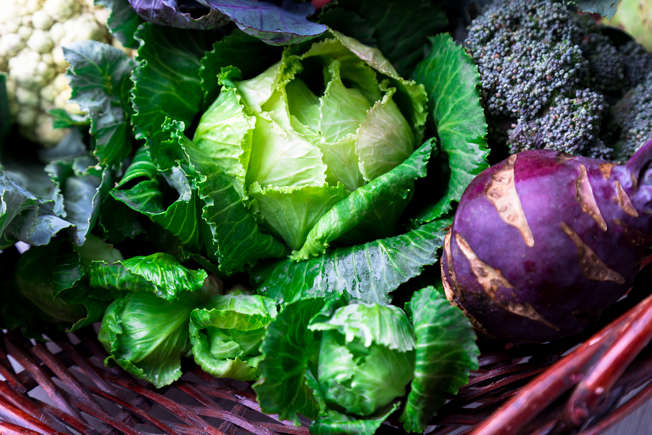
1. Cruciferous Vegetables (Broccoli, Cauliflower, Brussels Sprouts, Kale, Cabbage)
Why they matter:
These vegetables contain glucosinolates, which break down into compounds like sulforaphane and indole-3-carbinol. These molecules help detoxify carcinogens, inhibit tumor growth, and promote apoptosis of abnormal cells.
Researchers have observed associations between higher intake of cruciferous vegetables and lower risks of lung, breast, colon, and prostate cancers.
How to eat them:
-
Steam or lightly sauté broccoli with garlic and olive oil (don’t overcook — too much heat can reduce beneficial compounds).
-
Roast Brussels sprouts with a bit of balsamic vinegar and pepper.
-
Toss kale or cabbage into soups or stews in fall and winter.
-
Try a “cruciferous slaw” combining shredded cabbage, Brussels sprouts, apple, and a yogurt-mustard dressing.
2. Allium Vegetables (Garlic, Onions, Leeks, Shallots)
Why they matter:
Allium vegetables contain organosulfur compounds, flavonoids, and allyl sulfides — substances that may reduce cancer risk by slowing tumor growth, enhancing detoxification pathways, and inhibiting angiogenesis (formation of blood vessels that feed tumors).
One Mendelian randomization study suggested garlic intake may reduce digestive system cancer risk.
How to eat them:
-
Use raw garlic (crushed) in salad dressings, dips, or hummus (wait a few minutes after crushing to activate compounds).
-
Sauté onions, leeks, shallots as base aromatics for soups.
-
Make garlic-roasted vegetables or mix garlic into mashed sweet potato or cauliflower.
3. Berries & Dark Fruits (Blueberries, Strawberries, Raspberries, Blackberries, Pomegranate)
Why they matter:
Berries are rich in anthocyanins, ellagic acid, resveratrol, and other antioxidants. These compounds can scavenge free radicals, reduce oxidative stress, inhibit cancer cell proliferation, and interfere with carcinogen activation.
For example, ellagic acid in strawberries and raspberries can deactivate carcinogens and slow tumor cell growth in lab studies.
How to eat them:
-
Add fresh or frozen berries to oatmeal, yogurt, or smoothies.
-
Make a dark fruit compote (berries + pomegranate seeds) as a topping for pancakes or desserts.
-
Blend berries with a small amount of greens and nut milk for antioxidant-packed smoothies.
4. Tomatoes & Tomatoes Cooked with Healthy Fats
Why they matter:
Tomatoes are rich in lycopene, a carotenoid linked to lower risks of prostate, lung, and stomach cancers.
Interestingly, cooking tomatoes with a bit of healthy fat (like olive oil or avocado oil) enhances lycopene absorption, because it becomes more bioavailable in the presence of fat.
How to eat them:
-
Make a tomato-based pasta sauce with olive oil, garlic, basil, and onions.
-
Roast cherry tomatoes and drizzle with extra-virgin olive oil.
-
Blend tomato soup with cooked tomatoes and a splash of olive oil.
-
Use sun-dried tomatoes in salads or grain bowls.
5. Legumes (Beans, Lentils, Chickpeas, Peas, Soybeans)
Why they matter:
Legumes are packed with fiber, folate, polyphenols, and resistant starches that feed beneficial gut bacteria. High fiber intake is linked to reduced risk of colorectal cancer.
Legumes also help control blood sugar and insulin levels, which matters because high insulin and IGF-1 may fuel cancer growth.
How to eat them:
-
Add black beans, pinto beans, or kidney beans to soups and chili.
-
Make chickpea or black bean burgers.
-
Toss cooked lentils or chickpeas into salads with greens, herbs, and citrus.
-
Use split pea soup or hummus as snacks or starters.
6. Fatty Fish (Salmon, Mackerel, Sardines, Trout)
Why they matter:
Fatty fish are rich in omega-3 fatty acids (EPA, DHA), which have anti-inflammatory effects and may reduce cancer risk. Some research ties fish consumption to lower colorectal cancer risk.
Fish also contributes vitamin D and selenium, both associated with cancer-protective roles.
How to eat them:
-
Bake or grill salmon fillets with herbs and lemon.
-
Use sardines or mackerel in salads or on whole-grain toast.
-
Substitute fish for red meat a couple of times per week.
7. Nuts & Seeds (Walnuts, Flaxseeds, Chia Seeds, Almonds, Brazil Nuts)
Why they matter:
Nuts and seeds are rich in healthy fats, fiber, polyphenols, magnesium, selenium, and lignans. These nutrients help reduce inflammation, oxidative stress, and support DNA repair systems.
Some studies show that just an ounce (28 grams) of nuts per day is linked to lower overall cancer risk.
Flaxseeds (particularly their lignans) have been studied in hormone-related cancers.
How to eat them:
-
Sprinkle flaxseeds (ground) into oatmeal, smoothies, or yogurt.
-
Snack on raw or roasted (unsalted) almonds, walnuts, or Brazil nuts.
-
Use chia seeds in puddings, overnight oats, or as egg replacement in baking.
-
Add chopped nuts to salads or grain bowls.
8. Whole Grains (Oats, Brown Rice, Quinoa, Barley, Farro, Millet)
Why they matter:
Whole grains maintain their bran, germ, and endosperm; thus they provide fiber, B vitamins, minerals, and phytochemicals. These components help maintain gut health, reduce insulin spikes, and may protect against colorectal and other cancers.
Fiber, in particular, is associated with lower risk of colorectal cancer.
How to eat them:
-
Start your day with steel-cut oats or overnight oats.
-
Use brown rice, quinoa, barley, or farro instead of white rice.
-
Add whole-grain pasta or whole-grain bread options.
-
Make grain bowls with vegetables, legumes, and proteins.
9. Green Tea & Other Tea Varieties
Why they matter:
Green tea contains epigallocatechin gallate (EGCG) and other catechins, powerful antioxidants shown in lab studies to slow tumor growth, reduce DNA damage, and inhibit angiogenesis.
Though human evidence is more mixed, many epidemiological studies show a weak-to-moderate protective effect against various cancers.
How to eat them:
-
Drink green tea daily (hot or iced) without excess sugar.
-
Use matcha powder in smoothies or lattes.
-
Explore herbal teas (e.g. rooibos, hibiscus) for variety (though evidence is less robust).
10. Turmeric / Curcumin (with Black Pepper or Healthy Fat)
Why they matter:
Turmeric contains curcumin, a polyphenol with anti-inflammatory, antioxidant, and anticancer properties. Laboratory studies show curcumin can suppress cancer cell proliferation, inhibit metastasis, and promote apoptosis.
However, curcumin is poorly absorbed alone — pairing it with black pepper (piperine) or a bit of fat improves absorption dramatically.
How to eat it:
-
Add turmeric and a pinch of black pepper to soups, stews, rice, or smoothies.
-
Make “golden milk” (warm plant milk + turmeric + black pepper + cinnamon).
-
Use turmeric in marinades, stir-fries, or roasted vegetables.
How to Build a Cancer-Resilient Plate: Putting It All Together
Knowing the foods is one thing — building them into your daily life is another. Here’s how to turn the principles into a nourishing pattern:
-
Aim for variety and color.
Each phytochemical works differently. A mix of vegetables, fruits, grains, legumes, nuts, fish, spices ensures you get synergistic benefits. “Eat the rainbow” is more than a slogan. -
Balance macronutrients.
Eat moderate lean proteins (fish, poultry, legumes), healthy fats (nuts, seeds, olive oil), and complex carbs (whole grains, vegetables). Avoid the extremes of extreme low-carb or excessive saturated fat intakes. -
Watch portions of red/processed meat.
The World Health Organization classifies processed meat as carcinogenic and red meat as probably carcinogenic. Keep red meat to 12–18 ounces per week, if consumed. -
Limit added sugars, refined grains, ultra-processed foods.
These contribute to obesity, insulin resistance, chronic inflammation — all risk factors for cancer. -
Healthy cooking methods matter.
Avoid charring or overcooking meat at high heat (it forms carcinogenic chemicals). Prefer steaming, baking, poaching, slow-cooking, or sautéing.Bonus: marinating meat in herbs, vinegar, or citrus for 30–60 minutes before grilling can reduce harmful compounds by up to 90%.
-
Make plants the foundation — “plate rule.”
Let vegetables, legumes, and whole grains fill at least two-thirds of your plate. Proteins and fats fill the rest. -
Don’t think “all or nothing.”
It’s not about perfection. Incorporate these foods most days. Even small shifts accumulate.
A U.S.-Focused View: What This Means for American Diets
If you live in the United States, here are some tailored practicalities:
-
Farmers’ markets & community-supported agriculture (CSAs): Many towns across the U.S. offer locally grown produce. Buying seasonal vegetables and berries helps both the local economy and your plate.
-
Frozen produce is fine. Freezing preserves nutrients, so frozen berries, spinach, kale, and vegetables are excellent options (and often cheaper).
-
USDA MyPlate alignment. The USDA’s MyPlate guidelines encourage half your plate to be fruits and vegetables — consistent with cancer-fighting dietary patterns.
-
Food deserts and access issues. In underprivileged areas, access to fresh produce may be limited. Programs like SNAP, community gardens, and non-profit initiatives help bridge the gap.
-
Supplement caution. In the U.S., many people take antioxidant supplements. But research has shown supplements don’t substitute for whole foods, and some have even increased cancer risk in certain groups (e.g. smokers and high-dose beta-carotene)
-
Cultural food adaptation. The U.S. is richly multiethnic. You can incorporate these cancer-fighting foods into your cuisine — e.g. use black beans in Mexican dishes, use turmeric in soups or rice, add greens to soul food recipes, toss berries into pancakes or cereal.
Debunking Myths & Managing Expectations
Because cancer is frightening, many claims and myths swirl around diet and cancer. Let’s be clear:
-
No single food “cures” cancer. These foods lower risk and support health, but they are not a substitute for medical treatments (surgery, chemo, radiation, immunotherapy).
-
Supplements are not magic bullets. Trials with high doses of vitamins or antioxidants often show no benefit or even harm. Getting nutrients from whole foods is safer and more effective.
-
Too much of anything can backfire. Even beneficial compounds may act differently at high doses or in certain contexts.
-
Lifestyle matters too. Diet is one key—others include physical activity, avoiding tobacco, limiting alcohol, maintaining a healthy weight, and screening.
-
Cancer is multi-factorial. Genes, environment, exposures (like radiation, pollutants), and chance also play roles. Diet shifts risk — it does not guarantee prevention.
FAQs: What Americans Commonly Ask
1. Can any of these foods “reverse” cancer?
No. These foods support health and may reduce risk, but they are not standalone cures. If cancer is diagnosed, medical treatment is essential. Think of food as supporting the terrain, not replacing medicine.
2. How much of these foods do I need to eat to see benefit?
There’s no fixed “dose.” Guidance from U.S. sources suggests 2½ to 3 cups of vegetables and 1½ to 2 cups of fruits daily (depending on calorie needs) as a start. Try to include several cancer-fighting foods daily — e.g. a cruciferous vegetable at lunch, a berry in breakfast, legumes for dinner.
3. Are there any risks or side effects?
-
Overeating certain “superfoods” may interfere with medications (e.g. green tea and blood thinners).
-
Some people may have allergies (nuts, fish, legumes).
-
Turmeric in high doses may irritate the stomach in sensitive individuals.
-
Large doses of isolated nutrients (e.g. beta-carotene in smokers) have in some trials increased cancer risk.
4. Should I take antioxidant or vitamin supplements?
In general, no — whole foods are better. Supplements can’t replicate the complex mix of compounds in food, and in some studies, high-dose antioxidants increased risk. If you have deficiencies or medical needs, take supplements under guidance from a healthcare provider.
5. What if I have limited access to fresh produce (food deserts)?
-
Use frozen or canned (low-sodium, no sugar added) fruits and vegetables — they still retain much of their nutrients.
-
Grow potted herbs or greens at home (windowsill or balcony gardens).
-
Explore local food banks, community gardens, or urban gardening initiatives.
-
Pool resources with neighbors (co-ops, community-supported gardens).
6. How soon will dietary changes matter?
You benefit immediately: improved immune function, reduced inflammation, better blood sugar control. Over months and years, cumulative benefits in risk reduction may manifest in lower cancer incidence or recurrence.
7. Do these foods interfere with cancer treatment (chemotherapy, radiation)?
Generally, these foods support nutrition and may help with side effects like fatigue or gut dysfunction. But always inform your oncologist or dietitian — certain foods or supplements may interact with medications or treatment protocols.
8. Can children or elderly benefit the same way?
Yes — safe, whole-food-based diets rich in fruits, vegetables, legumes, and whole grains are beneficial across ages. Adjust portion sizes and textures as needed.
Final Thoughts: The Kitchen as a Line of Defense
June Thompson’s journey transformed her kitchen into a laboratory, a sanctuary, and a battlefield. Every morning, she chopped kale, crushed garlic, poured olive oil, squeezed lemons, toasted walnuts. Her meals weren’t just routine — they were choices she made to empower her body.
Whether or not any one food will single-handedly “beat cancer,” the cumulative effect over years is profound. When you choose broccoli, beans, berries, green tea, turmeric — again and again — you reshape your internal environment, nudging it toward healthier patterns. You may not hear a loud cheer, but your cells will register the difference.
So don’t wait to “feel healthy” to begin. Make small shifts: a bean salad, a berry smoothie, a turmeric-spiced soup. Celebrate textures, flavors, colors. Invite your friends and family to join. Let your kitchen become not just a place of sustenance, but an act of resistance.
Your body—even in its vulnerable state—is listening. Feed it what supports the possibility of thriving.
If you’d like a printable meal plan, seasonal recipe guide, or deeper dive into specific cancers (breast, colorectal, prostate), I’d be happy to help you build it.