
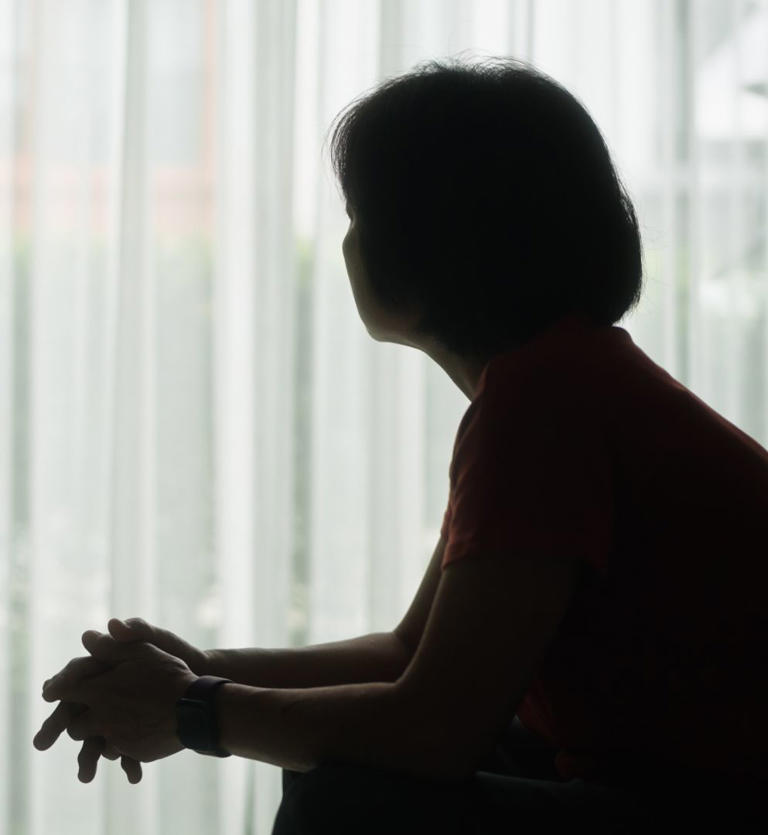
Most people think of an “Out-of-Office” reply as a tiny, polite autoresponder you skim over and delete.
“Thanks for your email. I’ll get back to you Monday.”
Nothing special. Nothing emotional. Nothing personal.
But in the past two years, especially across workplaces in the U.S., something unexpected has been happening:
Women have started telling the truth in their OOO messages.
Not the neat, corporate, smile-through-the-stress truth.
But the real truth — the kind that has been held back for years.
OOO messages that admit burnout.
OOO messages that confess exhaustion.
OOO messages that describe mental overwhelm, caregiving pressure, impossible schedules, unreasonable expectations, and the loneliness of always being the “strong one.”
Women aren’t trying to be dramatic.
They’re just… tired.
And for the first time, the out-of-office message — that little box in your email settings — has become a space where honesty feels safer than silence.
This article unpacks why this is happening, what these messages really reveal about American workplaces, and why many women say it feels freeing but also devastating.
A Shift No One Saw Coming
A few years ago, OOO messages were predictable templates.
Now? You might open an email from a colleague, freelancer, manager, or business owner and read something like:
“I’m offline because I haven’t slept properly in weeks.”
“Taking a break to care for my sick mother — responses will be slow.”
“I’m burned out and trying to feel human again.”
“Finally stepping away because juggling kids, work, and life has caught up with me.”
For many women, this shift didn’t happen suddenly — it bubbled up quietly.
Remote work blurred boundaries.
Workloads increased.
Child care collapsed in many states.
Cost-of-living went up.
And emotional labor — the invisible kind — became heavier.
At some point, pretending everything was fine stopped feeling worth it.
The out-of-office message became the first safe space to break the script.
Why Women Are Writing These Honest OOO Messages
1. Because the pressure to “perform okay-ness” is exhausting
Women have historically been expected to be:
-
agreeable
-
flexible
-
available
-
organized
-
emotionally supportive
-
capable of handling everything
-
calm even when drowning
That pressure doesn’t show up in performance reviews — but it weighs heavily day after day.
An OOO message feels like the only place where the mask can slip.
2. Because U.S. workplaces reward overworking
America doesn’t have:
-
universal paid leave,
-
guaranteed sick days,
-
affordable childcare,
-
or predictable schedules.
So women — especially mothers and caregivers — often carry an unspoken expectation to “figure it all out” while still answering emails.
For many, being truly unavailable feels rebellious.
Being honest in the OOO feels radical.
3. Because burnout isn’t temporary anymore
Burnout used to be something you “pushed through.”
Now it’s become a chronic state.
The honest OOO message — the one that says:
“I need rest. I mean it.”
is often a final warning sign long before a woman quits her job entirely.
4. Because women are tired of pretending they have help
A lot of men have spouses who take care of the household.
A lot of women are the spouse who takes care of the household.
Even in two-income American homes, women often manage:
-
kids’ appointments
-
school deadlines
-
meal planning
-
grocery runs
-
birthday parties
-
holiday prep
-
elderly-parent care
-
emotional crises
-
and their own full-time job
The OOO message is one of the only places where women feel they can say:
“I’m handling too much, and it’s showing.”
5. Because American culture treats rest as a weakness
Rest should be normal.
Instead, it feels like a confession.
When women write an OOO message that admits exhaustion, guilt, or pressure, they’re breaking the “hustle culture” rule that says:
“If you can’t handle everything, something’s wrong with you.”
But women are rewriting that rule — one email autoresponder at a time.
The Stories Behind These Messages
Let’s look at the real-life patterns behind these increasingly honest OOO messages across the U.S.
• The mom who finally breaks
Emily, a project manager in Ohio, set her OOO to:
“I’m offline this week because managing back-to-back deadlines while raising two toddlers has burned me out.”
Coworkers were shocked.
But she told me something later:
“I wasn’t brave. I was just done pretending.”
• The woman caring for an elderly parent
Sandra in Florida wrote:
“I’m away from email because I’m caring for my father during hospice. I appreciate your patience.”
Her boss actually thanked her — but she said she only wrote it because hiding the truth was more painful than revealing it.
• The entrepreneur who refuses to apologize for taking a break
Sophia, a business owner in Texas, put:
“I’m on vacation. A real one. No email checking. No laptop. No guilt.”
She said her clients responded warmly — because they were relieved someone finally modeled healthy behavior.
• The burned-out team lead
A woman I spoke to in New York sent:
“I will reply next week. I need space to think clearly again.”
Afterwards, she said the message scared her because it told the world what she hadn’t admitted to herself.
So… Why Is It Devastating?
1. Because it reveals how unsupported many women feel
The honesty isn’t the devastating part.
The reality behind it is.
If women feel safe being honest only in an automated message — not in meetings, not with leadership, not in performance reviews — that says something deeply broken about workplace culture.
2. Because it shows how close many women are to breaking down
When “I’m burned out” becomes a default OOO message, it’s a signal that stress levels are unsustainable.
These aren’t dramatic statements.
They’re quiet cries for help.
3. Because the emotional labor doesn’t stop — even during time off
Many women worry:
-
Will my inbox explode?
-
Will coworkers think I’m weak?
-
Will my job be at risk?
-
Will I come back even more overwhelmed?
Rest is supposed to be restorative.
But for many women, rest feels like another task they have to “manage.”
4. Because honesty shouldn’t be shocking
Imagine if a man wrote:
“I’m overwhelmed and need rest.”
People might raise an eyebrow.
If a woman writes it?
People assume she’s on the brink of collapse.
That double standard is painful — and revealing.
5. Because many women feel invisible until they say they’re not okay
Some women said that the first time their workplace acknowledged their struggles was after an honest OOO message.
Not after years of dedication.
Not after carrying multiple roles.
Only after they admitted exhaustion.
That’s devastating.
But There’s Something Hopeful Too
Not every OOO message is sad.
Some are bold.
Some are joyful.
Some are unapologetic.
And each one represents a woman choosing honesty over perfection.
Women are slowly normalizing conversations about:
-
rest
-
mental wellness
-
boundaries
-
caregiving
-
burnout
-
emotional load
-
and real-life limitations
This is a cultural shift — a necessary one.
Because when women tell the truth, workplaces finally have to confront it.
What This Trend Means for Workplaces in the U.S.
1. Employers can no longer ignore burnout
When employees are expressing burnout in autoresponders, it means internal systems failed long before the email went out.
2. Boundaries will become more common
Expect to see more:
-
no-weekend-email policies
-
mental health days
-
flexible schedules
-
enforced vacation rules
This trend will force American companies to evolve.
3. Honesty may improve team culture
Many women who posted honest OOO messages said other coworkers opened up soon after.
One honest message can be the start of an honest workplace.
4. The stigma around saying “I’m not okay” is fading
Slowly — very slowly — authenticity at work is becoming more acceptable.
And women are leading that change, whether the workplace is ready or not.
How Women Can Protect Their Peace (Without Feeling Guilty)
1. Write boundaries directly into your OOO message
Something simple like:
“I will respond when I return, and I won’t be checking email during this period.”
2. Use vacation time without apologizing
It’s earned.
Use it.
3. Schedule decompression time when you return
That first day back?
Block your calendar.
4. Say no more often
A boundary is not an act of aggression.
It’s an act of survival.
5. Treat rest as a responsibility
Just like deadlines.
Just like meetings.
Example of a Healthy, Honest OOO Message
“Hi there,
I’m out of the office this week to rest and recharge.
I won’t be checking emails during this time.
I appreciate your patience and look forward to responding after I return.”
Honest.
Clear.
Respectful.
Boundary-setting.
Final Thoughts
Women’s out-of-office messages are saying the quiet part out loud.
They’re not dramatic.
They’re not attention-seeking.
They’re not unprofessional.
They’re human.
And if the simplest email autoresponder is revealing widespread stress and burnout among women across the U.S., then this isn’t a small trend — it’s a wake-up call.
A culture where women feel safe telling the truth… is a culture that has finally started listening.
FAQs
1. Why are women writing more honest OOO messages now?
Because burnout and emotional pressure have increased, and telling the truth feels easier in an automated message than in meetings.
2. Is it unprofessional to be honest in an OOO message?
No. As long as it’s respectful and clear, honest communication is completely appropriate.
3. Are men doing the same thing?
Not as commonly. Women still carry more caregiving and emotional labor, making them more likely to express overwhelm.
4. Do employers respond well to honest OOO messages?
Surprisingly, many do — but some workplaces still resist conversations about burnout.
5. Should I set boundaries in my OOO message?
Yes. Healthy boundaries protect your time and make work more sustainable.