Introduction: The Millennial Home Revolution
Walk into a modern American home built or renovated in the last few years, and you might notice something surprising.
That mid-century wooden credenza? Straight from the 1960s. The bold floral wallpaper? A direct callback to grandma’s living room. Even the vinyl record player perched neatly on the side table—it’s all a nostalgic nod to decades past.
Millennials—often blamed for “killing industries”—are now reviving some of America’s most beloved home design trends. But this comeback isn’t just about aesthetics. It’s about emotion, sustainability, and creating spaces that feel deeply personal.
With remote work redefining the idea of “home,” this generation has turned their living spaces into cozy sanctuaries—blending vintage charm with modern function. Let’s explore the 10 home trends millennials are quietly bringing back, and why they’re shaping the future of American living.
1. Wallpaper: From Grandma’s Den to Instagram Chic
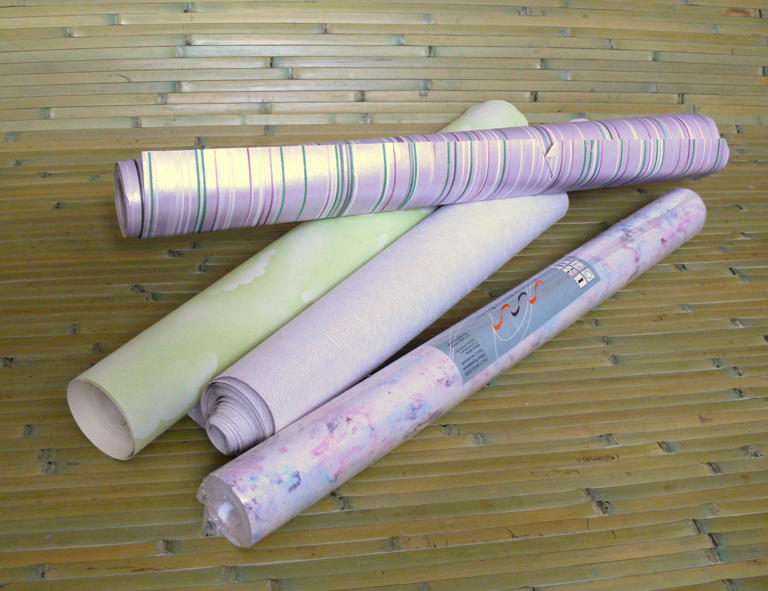
Once dismissed as outdated, wallpaper is now one of the hottest design statements in millennial homes.
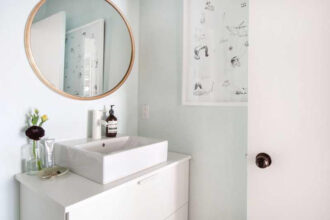
The difference? Today’s patterns are bolder, moodier, and more expressive. Think tropical leaves in powder rooms, geometric prints in home offices, and delicate florals in bedrooms. Millennials love how wallpaper adds instant personality without major remodeling.
What was once a “dated” look is now a tool of creative self-expression. It’s no longer about matching your couch—it’s about telling your story.
Why It’s Back: It’s affordable, renter-friendly (peel-and-stick options), and totally Instagram-worthy.
2. Wood Paneling — But Make It Modern
If you remember the dark, shiny wood walls of 1970s basements, you might shudder at this one—but hear us out.
Millennials are reviving wood paneling, but with a twist. Instead of shiny orange-brown sheets, they’re using light oak slats, reclaimed barnwood, and whitewashed textures for warmth and depth.
It’s all about creating spaces that feel cozy and grounded—something the minimalist “white wall” era of the 2010s often lacked.
Why It’s Back: Sustainable materials, natural warmth, and timeless craftsmanship resonate deeply with millennial homeowners.
3. Vintage and Thrifted Furniture
Forget cookie-cutter showroom sets. Millennials are curating their homes piece by piece—with a heavy emphasis on vintage finds.
Estate sales, thrift shops, Facebook Marketplace—these are the new treasure hunts. Every chair, lamp, or mirror carries a story. It’s not just cheaper; it’s eco-conscious and soulful.
In an age of fast everything, millennials crave authenticity. That mid-century sideboard or antique mirror isn’t just décor—it’s identity.
Why It’s Back: Sustainability meets storytelling. Plus, no one wants a living room that looks like a catalog page.
4. Statement Ceilings
For years, ceilings were the forgotten “fifth wall.” Not anymore.
Millennials are painting ceilings bold colors, adding wood beams, or even installing patterned tiles. This design trend—once popular in 19th-century homes—is now being reinvented with a modern edge.
A navy ceiling over a crisp white room or a wallpapered ceiling in a nursery creates instant drama and warmth.
Why It’s Back: It turns overlooked spaces into intentional design moments.
5. Houseplants — The “Green” Generation’s Decor
You can’t scroll through a millennial’s Instagram feed without spotting a jungle of indoor plants. From fiddle leaf figs to pothos vines, plants have become emotional companions—especially during the pandemic years.
But this isn’t just about décor; it’s about mental health. Caring for plants offers calm and connection in an increasingly digital world.
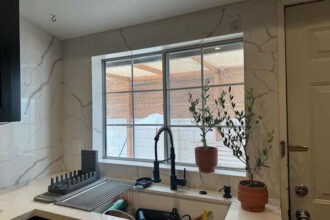
Even retro favorites like spider plants and snake plants—once staples in the 1970s—are now proudly displayed in handcrafted clay pots.
Why It’s Back: Affordable beauty, air purification, and the joy of nurturing something real.
6. Open Shelving (With a Twist)
Remember when everyone tore down upper kitchen cabinets for a cleaner look? Millennials took that minimalist concept—and softened it.
Instead of stark open shelving with perfectly staged white dishes, today’s homes feature wooden floating shelves, mismatched pottery, plants, and cookbooks. It’s organized chaos with heart.
This style reflects the generation’s preference for comfort over perfection, and for homes that feel lived in.
Why It’s Back: It’s approachable, customizable, and perfect for showing off personality without major renovation.
7. Bold Tile Floors
Back in the 1920s and 30s, homes featured intricate tile patterns that told stories—each piece handcrafted and full of character.
Millennials are rediscovering that magic. Patterned tile floors are popping up in bathrooms, laundry rooms, and entryways across America. From Moroccan-inspired motifs to vintage checkerboards, tile brings artistry to everyday life.
Why It’s Back: Millennials value design that lasts. Tile is sustainable, durable, and infinitely customizable.
8. The Return of the Dining Room
For years, the formal dining room seemed dead—replaced by bar stools and takeout culture. But millennials, especially those settling into family life, are bringing it back.
Why? Because the dining room has become symbolic of intentional living—a place to unplug, connect, and share meals.
Many are reimagining this space with round tables, soft lighting, and heirloom pieces that invite conversation.
Why It’s Back: Togetherness. After years of fast food and fast schedules, millennials crave connection at the table.
9. Cozy Maximalism
Minimalism may have dominated the 2010s, but millennials are quietly breaking the rules. They’re embracing “cozy maximalism”—layered textures, eclectic colors, and rooms filled with sentimental items.
Instead of sparse white spaces, you’ll see patterned rugs, art walls, mismatched cushions, and souvenirs from travels. It’s personal, nostalgic, and delightfully imperfect.
Why It’s Back: A reaction to years of sterile, minimalist design. People want warmth, not perfection.
10. Multi-Functional Rooms
Millennials grew up in the digital age and adapted quickly to remote work life. Today, their homes reflect that flexibility.
The guest bedroom doubles as a Zoom studio. The dining nook becomes a home office. Even garages are transforming into small gyms or creative spaces.
This practical yet stylish approach is reminiscent of mid-century design philosophy—rooms designed for purpose and play.
Why It’s Back: Flexibility, creativity, and the reality of modern living.
Why Millennials Are Redefining “Home” in America
For millennials, home isn’t just a status symbol—it’s a sanctuary.
After witnessing financial crashes, housing crises, and a pandemic, this generation has learned to value comfort, sustainability, and emotional well-being over trends dictated by magazines.
Their homes aren’t built to impress strangers—they’re built to nurture themselves.
Each revived trend—whether it’s wallpaper, thrifted furniture, or cozy maximalism—tells a story about intentional living in a chaotic world.
The Emotional Shift Behind These Trends
The millennial approach to home design is deeply emotional.
It’s about reconnecting—with the past, with the planet, and with themselves. By bringing back “old” trends, they’re rejecting disposable culture and redefining what success looks like.
In short, millennials are saying:
“Home isn’t about perfection—it’s about peace.”
FAQs
Q1. Why are millennials bringing back vintage home trends?
A: Millennials value authenticity and sustainability. Reviving vintage styles helps them create homes with history, meaning, and a smaller environmental footprint.
Q2. What’s the most popular comeback trend among U.S. millennials?
A: Wallpaper and thrifted furniture top the list. Both allow creativity and personality on a budget.
Q3. How are millennials balancing modern and retro design?
A: They blend clean, minimalist architecture with nostalgic touches—like bold tiles, houseplants, and warm wood textures.
Q4. Are these trends more affordable than modern designs?
A: Often, yes. Thrifted furniture, DIY projects, and peel-and-stick décor make it easy to refresh a home without breaking the bank.
Q5. What’s the core design philosophy behind millennial homes?
A: Comfort, individuality, and sustainability. It’s about creating spaces that feel authentic, not performative.
Final Thoughts: The Past Is the New Future
Millennials may have been accused of “ruining” industries—but in truth, they’re reviving tradition in the best possible way.
By bringing back warm wood tones, expressive walls, and soulful secondhand pieces, they’re crafting homes that feel like home again.
Their spaces aren’t sterile or staged—they’re stories in progress.
And in a fast, filtered world, that’s exactly what makes them so beautiful.