The Moment You Realize Lighting Changes Everything
Imagine this — you walk into your living room after a long day. It’s quiet, cozy, and smells faintly of your favorite candle. But something feels… off. The space looks flat, maybe even a little lifeless. You turn on the lamp, and suddenly, the room transforms — warmer, softer, inviting. That’s the power of good lighting.
For years, lighting was an afterthought — the last checkbox after furniture and paint colors. But now, across the U.S., homeowners are realizing something interior designers have always known: lighting is the heartbeat of a home.
And 2026 is rewriting the rulebook. Designers are ditching harsh overheads, dull bulbs, and generic fixtures for lighting that tells a story — personal, cozy, and deeply human.
Let’s step into the light. Here are 10 lighting trends that are taking over American homes — and why you’ll fall in love with them.
1. Soft Ambient Layers — The End of Harsh Overhead Lighting
Gone are the days of one big, blinding light in the center of your room. In 2026, designers are layering light like artists mix paint — blending warm, diffused glows that make a space feel alive.
Picture this: a soft wall sconce paired with a warm-toned floor lamp, and a dimmable ceiling light that lets you shift the mood from bright and lively to cozy and intimate.
Why Americans love it:
Because it feels like comfort. With so many working from home now, people crave flexible, relaxing light that fits every moment — from Zoom meetings to late-night movie marathons.
Pro Tip: Choose dimmable bulbs and mix lighting sources at different heights — overhead, mid-level, and floor-level — for that magazine-worthy depth.
2. Smart Lighting With Soul
Smart lighting isn’t new — but now, it’s personal. Forget the cold, blue light that made your home feel like a tech lab. 2026’s smart lighting embraces warmth, emotion, and mindfulness.
You can say, “Alexa, it’s dinner time,” and watch your dining room turn golden and candlelit. Or wake up to a gentle sunrise simulation instead of a blaring alarm.
Why it’s trending in the U.S.:
Convenience meets wellness. Americans are using smart lighting to sync with natural rhythms — boosting energy in the morning and promoting calm before bed.
Designer secret: Look for tunable white bulbs that shift color temperature throughout the day, mimicking real daylight.
3. Natural Materials Steal the Show
Lighting is getting organic. Picture handwoven rattan pendants, ceramic sconces, and wooden floor lamps that bring nature indoors. Designers are favoring pieces that look handcrafted and timeless — not mass-produced.
Why it resonates:
After years of synthetic trends, Americans are craving authenticity. These fixtures add texture, warmth, and a grounding presence to modern spaces.
Where to use them:
-
Over kitchen islands (woven pendants)
-
Beside beds (clay sconces)
-
In cozy reading nooks (bamboo floor lamps)
They don’t just light your home — they tell a story of craft, sustainability, and soul.
4. Sculptural Lighting as Art
Lighting is no longer background decor. It’s the main event. 2026 homes across the U.S. are embracing statement lighting — bold, sculptural forms that double as art installations.
Think oversized glass globes, asymmetrical brass arms, or cloud-like pendant clusters. These pieces create personality and draw the eye instantly.
American appeal:
In open-concept homes, statement lighting defines zones — dining areas, kitchen islands, and entryways — without needing walls.
Pro Tip: Pair dramatic fixtures with simple furniture so the light becomes your showstopper.
5. The Return of Warm Metals
Goodbye, cold chrome. Hello, brass, copper, and champagne gold. Designers are bringing back warm metallic tones that glow beautifully under soft light.
Warm metals don’t just look luxurious — they make a space feel inviting and timeless.
Why Americans love it:
They pair effortlessly with wood, white walls, and earth-toned interiors — a favorite combo in both modern and farmhouse-style U.S. homes.
Style it like a designer: Mix metals subtly — a matte black lamp base with brass detailing, or a copper pendant over a marble counter.
6. Mood Lighting Takes Over Bedrooms
The bedroom is no longer just for sleep — it’s for unwinding, meditating, and even working. Lighting here needs to multitask.
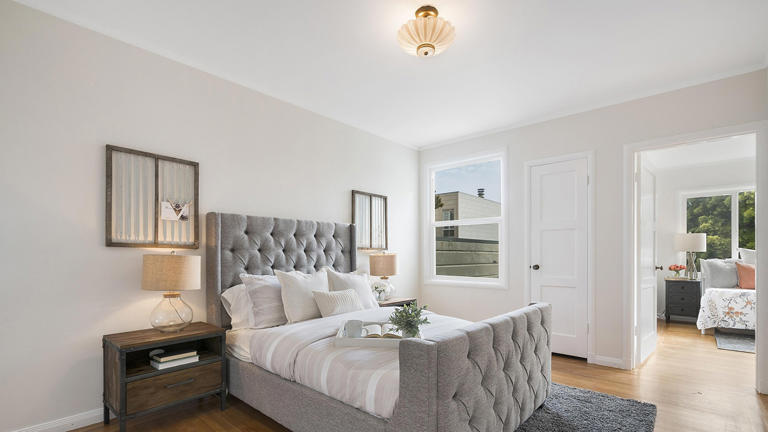
Designers are swapping bright, direct bulbs for mood lighting: hidden LED strips under bed frames, soft wall sconces, and dimmable reading lamps. The effect? A hotel-like retreat that feels luxurious yet calming.
American trend insight:
Younger homeowners, especially Millennials and Gen Z, are investing in sleep wellness. Lighting that promotes rest and relaxation is now a must-have.
Tip: Use warm light (2700K or lower) in bedrooms. It signals your brain that it’s time to slow down.
7. Retro Revival: Mid-Century and 70s Vibes
The past is shining bright again. Designers are revisiting mid-century modern and 1970s lighting styles — think globe pendants, mushroom lamps, and geometric wall fixtures.
But these aren’t your grandma’s lamps — they’re reimagined with updated materials and finishes.
Why it’s hot:
Americans love nostalgia, especially when it’s paired with modern functionality. These designs add a playful personality to any space.
Perfect spots: Home offices, entryways, and living rooms.
8. Hidden and Recessed Lighting for Sleek Spaces
Minimalism is still alive, but it’s evolving. Instead of bold fixtures, some homeowners are embracing invisible lighting — recessed strips tucked into ceilings, walls, and even under cabinets.
The effect is subtle yet stunning. It gives rooms a soft, ambient glow without drawing attention to the light source.
Why Americans are embracing it:
It’s the perfect match for modern architecture — clean lines, open spaces, and clutter-free living.
Pro Tip: Add recessed lights under stair steps or inside shelving for a cinematic touch.
9. The Rise of Outdoor and Garden Glow
Outdoor living exploded across the U.S. during recent years — and now lighting is catching up. Patios, backyards, and decks are being transformed into glowing sanctuaries.
From string lights draped across pergolas to solar-powered path lights and motion-sensing wall lamps — the outdoors is getting its own mood lighting makeover.
Why it’s booming:
Americans are spending more time outdoors for dining, entertaining, and relaxing. Soft outdoor lighting makes spaces usable (and magical) after sunset.
Tip: Choose weather-resistant fixtures with warm LEDs — they create an inviting, resort-like vibe.
10. Personalized Lighting Zones for Every Mood
The future of lighting is emotional. Designers are helping homeowners create zones of feeling — cozy, energized, romantic, or productive — just by adjusting the light.
You might have a bright, energizing setup in your kitchen for morning coffee, and a golden glow in your living room for evening wind-downs.
Why it’s so American:
People want homes that adapt to their lifestyles, not the other way around. Lighting personalization gives every space a purpose and personality.
Pro Tip: Layer light in threes — ambient, task, and accent — to create depth and flexibility in every room.
The New American Glow: Why Lighting Is Personal Again
Designers across the U.S. agree — 2026 isn’t about flashy fixtures or expensive upgrades. It’s about creating homes that feel human.
Lighting now reflects your rhythms, your moods, and your memories. It helps your space tell your story. Whether you’re curling up with a book, hosting dinner with friends, or just sitting in quiet reflection — the right lighting makes that moment sing.
The future of lighting isn’t just about what you see. It’s about how you feel.
Frequently Asked Questions (FAQs)
Q1. What lighting color temperature is best for American homes?
Warm white (2700K–3000K) is ideal for most living spaces — it creates a cozy, inviting glow similar to natural sunlight.
Q2. Should I replace all my lights with smart bulbs?
Not necessarily. Start small — maybe in the bedroom or living room — and see how you like the flexibility. Smart systems can be added gradually.
Q3. What type of lighting is most energy-efficient?
LEDs are the best choice. They use up to 80% less energy and last 25 times longer than traditional bulbs.
Q4. How can I make a small space feel brighter?
Use reflective surfaces (mirrors, glass), light-colored walls, and layered lighting — including wall sconces and under-cabinet LEDs.
Q5. What lighting trends will last beyond 2026?
Natural materials, warm tones, smart adaptability, and emotional lighting design are here to stay. They focus on comfort, sustainability, and personalization — timeless values that go beyond trends.
Final Thoughts
If 2025 was about bold color and design risk, 2026 is the year of light and mood.
American homes are moving toward lighting that feels alive — glowing softly in the morning, sparkling during dinner, and calming you to rest at night.
Your home’s story deserves the right light — not just to see, but to feel.