The house sat on the market for 89 days. It was a good house—a solid, four-bedroom colonial in a nice neighborhood with good bones. My clients, the Millers, were confused and frustrated. They’d dropped the price twice, and still, the feedback was a chorus of polite, vague rejections: “It just doesn’t feel like us.” “We can’t quite see ourselves here.”
I walked through it for the third time, my real estate agent’s senses tingling. The problem wasn’t the price or the location. The problem was the story the house was telling—or rather, the story it wasn’t telling.
The Millers’ house was a blank page. Beige walls, dated but functional fixtures, a backyard that was more “functional” than “inspiring.” It was a house, but it wasn’t a home. It was a list of features, not a feeling.
We decided to stop chasing the market and start speaking its language. We didn’t do a massive renovation. Instead, we invested in a strategic, design-focused “storytelling” campaign. In three weeks, we had five offers. We sold for over asking price.
The winning bidder, a young couple, said something I’ll never forget as they signed the papers: “We walked in, and it just… sang to us. We knew it was ours.”
That experience cemented a truth I’d long suspected: selling a house isn’t about square footage and bedroom counts. It’s about selling a future. It’s about creating a vision so compelling that buyers don’t just see a property; they see the next chapter of their lives.
Based on that transformation and countless others, here are the 10 design features that make homes sell faster, and for more money, by speaking directly to a buyer’s heart.
1. The “Center of Gravity”: A Defined, Light-Filled Living Space
The Story: The Millers’ living room was a collection of furniture pointed at a black screen. It was a “TV room,” not a living room. It had no focal point, no purpose, no soul.
The Transformation: We painted the dark paneling a soft, warm white. We removed the massive media console and replaced it with a beautiful, statement bookshelf. We arranged two comfortable sofas to face each other, not the wall, creating a conversation pit. We added a large, elegant mirror to reflect light from the window. Suddenly, the room wasn’t about watching; it was about connecting.
Why It Sells: Humans crave center. We are drawn to campfires and hearths. In a modern home, this is your primary living area. Buyers need to walk in and immediately understand the “heart” of the home—the place where family gathers, where conversations happen, where life unfolds.
-
The Feature: A bright, welcoming living space with a clear focal point (a fireplace, a statement piece of art, a beautiful window with a view) and furniture arranged for human interaction, not just for media.
-
The Buyer’s Thought: “I can see our family Christmas here.” “This is where we’d host game night.”
2. The “Siren Song” Kitchen: The Quartz and Soft-Close Effect
The Story: The Millers’ kitchen had 90s oak cabinets and laminate counters. It was clean, but it felt dated and cheap. Buyers saw a project, not a place to create meals and memories.
The Transformation: A full remodel was out of the budget. So, we refaced the cabinet boxes with shaker-style doors in a classic navy blue and installed brand-new, brushed gold hardware. We swapped the laminate for a durable, light-colored quartz countertop. We added a stylish, under-mount farmhouse sink and a modern faucet. The final touch: soft-close hinges on every door and drawer.
Why It Sells: The kitchen is the undisputed king of resale value. But it’s not just about aesthetics; it’s about conveying quality and ease.
-
The Feature: Updated cabinets (paint or refacing are enough), stone or high-quality quartz countertops, and modern, functional hardware. The soft-close mechanism is a tiny detail that screams “this home has been cared for with attention to detail.”
-
The Buyer’s Thought: “This feels luxurious and easy to maintain.” “I wouldn’t have to do a thing. I could start cooking here tonight.”
3. The “Hotel Suite” Primary Bedroom: An Oasis, Not Just a Room
The Story: The master bedroom was… a room. It had a bed, two nightstands, and a clunky, old dresser. It was a place to sleep, not a retreat.
The Transformation: We painted the walls a soothing, deep sage green. We removed all the old, mismatched furniture and staged the room with a king-sized bed with a plush, neutral-colored headboard. We added layers of texture: a wool throw, linen pillows, a high-pile rug. We placed a small, comfortable armchair in the corner with a reading lamp. We decluttered the space entirely.
Why It Sells: In our hyper-connected, stressful world, the primary bedroom is no longer just for sleeping. It’s a sanctuary. Buyers are desperate for a private escape within their own home.
-
The Feature: A spacious, serene, and meticulously curated bedroom that feels like a luxury hotel suite. It must be clutter-free and emphasize calm, comfort, and privacy.
-
The Buyer’s Thought: “This is my escape.” “I can finally unwind here.” “It feels so peaceful.”
4. The “Flow State”: The Magic of an Open Floor Plan
The Story: The Millers’ house had a choppy layout. The kitchen was closed off from the living room, and the dining room was a formal, separate cell. It felt isolating.
The Transformation: While we couldn’t knock down walls, we created the illusion of flow. We used the same flooring throughout the main level and a consistent color palette. We arranged furniture to guide the eye naturally from one space to the next, removing any obstructive pieces.
Why It Sells: Modern life is about connection and casual living. Parents want to cook dinner while helping kids with homework. Hosts want to entertain without being trapped in the kitchen. An open, flowing floor plan facilitates this lifestyle. It makes a home feel larger, brighter, and more conducive to modern family life.
-
The Feature: A layout that allows for easy movement and visual connection between the kitchen, dining, and main living areas.
-
The Buyer’s Thought: “This is perfect for entertaining.” “I can keep an eye on the kids while I’m making dinner.”
5. The “Outdoor Room”: Blurring the Line Between Inside and Out
The Story: The Millers had a nice deck and a patch of grass. It was an “outside area,” not an extension of their home.
The Transformation: We staged the deck as an outdoor living room. We added a weather-resistant sectional sofa, an outdoor rug, a coffee table, and a large market-style umbrella. We strung delicate, globe-style string lights overhead. We placed a few large, lush potted plants in the corners. Instantly, it became a “room.”
Why It Sells: Square footage is expensive, and buyers crave more of it. By creating a defined, furnished outdoor living space, you effectively add a free room to your home’s inventory. It sells a lifestyle of relaxation, al fresco dining, and seamless indoor-outdoor living.
-
The Feature: A patio, deck, or balcony staged with designated areas for lounging and/or dining, with elements like rugs, lighting, and planters.
-
The Buyer’s Thought: “This is another living room!” “Imagine summer barbecues here.” “We’d spend every evening out here.”
6. The “Smart Home” Glow: Effortless, Integrated Technology
The Story: The house had a tangled mess of cords behind the TV and a confusing array of remotes.
The Transformation: We invested in a few key, inexpensive smart home devices. We installed a smart thermostat (a Nest or Ecobee), a video doorbell, and smart plugs for a couple of lamps. We made sure all the Wi-Fi and cable connections were neatly organized in a central panel.
Why It Sells: This isn’t about being gimmicky. It’s about signaling that the home is modern, efficient, and secure. It appeals to a buyer’s desire for convenience, cost savings (on energy), and peace of mind.
-
The Feature: Pre-installed, neutral smart home features like a programmable thermostat, a video doorbell, smart locks, or built-in speakers.
-
The Buyer’s Thought: “This home is move-in ready for the 21st century.” “I’ll save money on utilities.” “I’ll feel safe here.”
7. The “Spa-Like” Bathroom: The Sanctuary, Part II
The Story: The hall bathroom had a plastic shower curtain, a worn vinyl floor, and a builder-grade vanity. It felt cold and institutional.
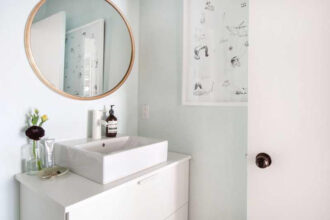
The Transformation: We replaced the shower curtain with a sleek, glass panel. We installed a new, modern vanity with a stone top and an updated faucet. We added a large, framed mirror and new, elegant light fixtures. The final touch was plush, new towels and a simple, stylish shower caddy.
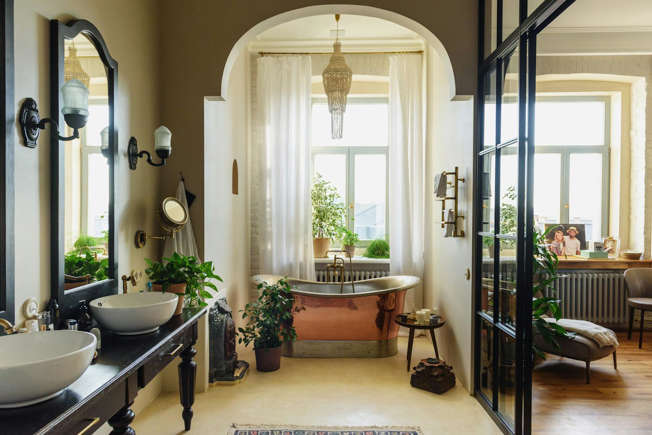
Why It Sells: Like the primary bedroom, bathrooms have become personal sanctuaries. Buyers don’t want a utilitarian space; they want a spa-like experience at home. This is especially potent in the primary bathroom.
-
The Feature: A clean, updated bathroom with modern fixtures, good lighting, and a neutral, serene color palette. Key elements include a frameless glass shower enclosure, high-quality flooring, and ample storage.
-
The Buyer’s Thought: “My own private spa.” “This is so much better than our current bathroom.” “It feels clean and luxurious.”
8. The “Character Injection”: Strategic, Charming Details
The Story: The Miller home was devoid of personality. It was a vanilla box.
The Transformation: We added character in small, inexpensive doses. We installed a stylish, statement light fixture in the foyer. We added board and batten wainscoting to the dining room. We replaced a hollow-core interior door with a solid, paneled one.
Why It Sells: While neutral is safe, bland is forgettable. Buyers are drawn to homes with soul and character. These details make a home feel unique, cared for, and established. They tell a story of craftsmanship and attention that mass-produced homes lack.
-
The Feature: Architectural details like crown molding, wainscoting, a decorative fireplace mantel, or unique, statement light fixtures.
-
The Buyer’s Thought: “This house has so much charm.” “You can tell the owners loved this place.” “It feels special.”
9. The “Drop-Zone” Command Center: The Antidote to Chaos
The Story: The entryway was a dumping ground. Coats, shoes, backpacks, and mail created a feeling of clutter and stress the moment you walked in.
The Transformation: We created a “drop-zone.” We installed a bench with built-in cubbies and baskets for shoes. We added hooks for coats and bags above. A small, stylish desk nook with a charging station for phones and laptops completed the command center.
Why It Sells: This feature speaks directly to a universal pain point: modern life is messy. A designated, organized space to manage the clutter of daily life is a powerful selling point. It promises order, calm, and functionality.
-
The Feature: A dedicated, organized area near the main entrance with storage for coats, shoes, bags, and mail, often incorporating a charging station.
-
The Buyer’s Thought: “Finally, a place for all our junk!” “This would keep our family so organized.” “What a smart use of space.”
10. The “Curb Appeal” First Impression: The Cover of the Book
The Story: The Millers’ house had an overgrown bush blocking the front window and a faded, cracked welcome mat.
The Transformation: We power-washed the siding and walkway. We painted the front door a cheerful, modern color (a deep slate blue). We replaced the old hardware on the door. We pruned the bushes, added a fresh layer of dark mulch to the flower beds, and placed two symmetrical, lush potted plants on either side of the door.
Why It Sells: You never get a second chance to make a first impression. Before a buyer has even stepped inside, they have formed a subconscious opinion. A well-maintained, inviting exterior sets a positive, expectant tone for the entire viewing. It signals that the home has been loved.
-
The Feature: A manicured lawn, fresh mulch, pruned shrubs, a painted front door, modern house numbers, and good exterior lighting.
-
The Buyer’s Thought: “This looks well-cared-for.” “It feels welcoming.” “I’m excited to see what’s inside.”
The Final Walk-Through: It’s About the Story
The Millers didn’t just sell a house; they sold a narrative. They sold the story of morning coffee on the deck, of family meals in the bright kitchen, of cozy nights by the (newly defined) fireplace, and of peaceful rest in a serene primary suite.
These ten features are the chapters of that story. They aren’t always about massive investment; they are about strategic, psychological cues. They answer the buyer’s silent, desperate questions: “Will my life be better here? Will I be happier?”
A home that can answer “yes” with quiet confidence, through its design and feeling, is a home that doesn’t just sell. It finds its next family. And in the end, that’s the most valuable feature of all.