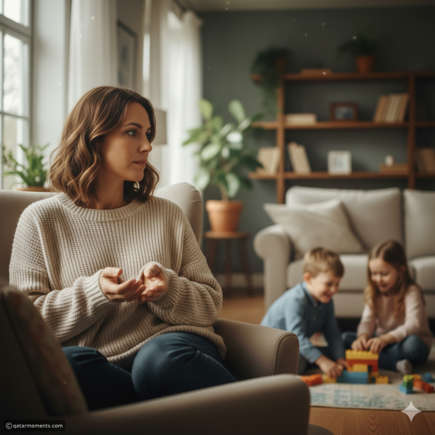
There’s a moment many women in the U.S. can point to — a strange, subtle shift in how the world treats them. Maybe it happens at 35. Maybe 40. Maybe 50. But at some point, the same society that used to look at them with curiosity, interest, and value begins glancing past them instead of toward them.
If you ask women about it, they’ll say it’s not dramatic. It’s not one rude comment. Not one birthday. It’s a slow fade — like someone quietly turning the dimmer on their importance.
And when I spoke to both men and women across different ages, I learned one thing:
The issue isn’t that women become less likeable as they get older — it’s that society hasn’t learned how to appreciate women beyond their youth.
This is not a flaw in women.
This is a flaw in culture.
And if we don’t talk about it, we can’t fix it.
So here are the 13 real reasons this shift happens — the ones people don’t say out loud, the ones most women feel deeply, and the ones we must acknowledge to create change.
Let’s start with a story.
A Story from a Dallas Coffee Shop
Last year in Dallas, I met a woman named Rachel. She’s 48, confident, well-spoken, and successful in her career. We ended up having a long conversation about aging — specifically, aging as a woman.
She said something that stuck with me:
“I didn’t become less interesting when I turned 40. People just stopped looking long enough to notice.”
That sentence was the spark for this article.
Because Rachel wasn’t alone.
Hundreds of women said something similar.
And when you dig deeper, you discover the problem runs through American culture in ways we barely notice.
Here’s what I found.
1. Society Overvalues Women’s Appearance Over Their Experience
In the U.S., the messaging is loud and clear:
-
Your value is how you look.
-
Your rating drops the moment wrinkles appear.
-
Youth = currency, especially for women.
Meanwhile, men are allowed to “age gracefully,” “look distinguished,” or “grow into their prime.” Women rarely get these compliments.
This isn’t biology — it’s branding.
Women over 40 have decades of experience, skill, emotional intelligence, and mental strength. But society still filters them through one shallow metric: appearance.
2. Hollywood Teaches America Who Matters — and Women 40+ Don’t Get Roles
Look at the movie industry:
-
Men in their 50s get cast as romantic leads.
-
Women in their 50s get cast as grandmothers.
The representation problem becomes a real-life perception problem.
When media stops showing older women as interesting, desirable, adventurous, funny, or complex, people unconsciously absorb the message:
Older women don’t matter as much.
But they do.
Hollywood is just behind reality.
3. Aging Men Are Seen as “Gaining Status,” While Women Are Seen as “Losing Value”
Many men in the U.S. view aging as leveling up:
-
More confidence
-
More career success
-
More financial stability
-
More respect
Men age into the “provider” role society praises.
Women age into the “caretaker” role society overlooks.
So men get approval points.
Women get invisible points.
4. Social Media Worships Youth Like a Religion
Instagram, TikTok, and beauty filters push out the same message every day:
“Look young. Stay young. Don’t you dare look your age.”
Women who post photos with grey hair, wrinkles, or natural features receive more criticism — not because there’s anything wrong with them, but because people online have been conditioned to expect women to look eternally 25.
Youth gets engagement.
Engagement gets pushed.
Pushed content becomes the standard.
It’s a loop women didn’t choose — but have to live in.
5. American Workplace Bias: Older Men = Leaders, Older Women = Replaceable
Even highly skilled women report:
-
Being passed up for promotions
-
Getting less mentorship
-
Feeling overlooked in meetings
-
Being told they’re “not as fresh” as younger hires
None of this happens because they became less capable.
It happens because American corporate culture favors youth in women and experience in men.
The double standard is painfully clear.
6. Men Unfairly Tie Female Attractiveness to Fertility
Most people won’t say this out loud, but studies and social patterns show it clearly:
Many men still associate women’s value with fertility.
Even in 2025, in a modern country like the U.S., this primitive instinct creeps into dating and social behavior.
But here’s the truth:
Women don’t lose their femininity, charm, or desirability when fertility declines.
That’s just outdated programming society never rewrote.
7. Women Become Less Willing to People-Please — and Some Men Don’t Like That
One thing almost every woman over 40 told me?
“I finally stopped caring what people think.”
Older women set boundaries.
They say no.
They speak up.
They see through nonsense.
And here’s the twist:
People mistake these strengths for being “difficult” or “less agreeable.”
But this isn’t them becoming unlikeable.
This is them becoming free.
8. Married Women Become ‘Invisible’ Once People See Them as ‘Taken’
Many married women report they feel a shift in social attention.
Certain men stop engaging with them as individuals, and simply view them as:
-
A wife
-
A mother
-
Someone with a role, not an identity
They become background characters in their own social circles.
Not because they changed — but because their “purpose” in society suddenly switched in people’s minds.
9. Women Prioritize Real Life Over Social Life — Which Gets Misread as Disinterest
As women age, their priorities shift:
-
Stability > flirting
-
Peace > drama
-
Family > shallow friendships
-
Self-respect > external validation
This doesn’t make them less likeable.
It makes them more selective.
But people often confuse selectiveness with “unfriendliness.”
10. Some Men Feel Intimidated by Confident, Established Women
A lot of men won’t admit this, but they feel unsure around:
-
Women with successful careers
-
Women with their finances together
-
Women with emotional maturity
-
Women who don’t tolerate immaturity
-
Women who know exactly who they are
Instead of rising to the challenge, these men retreat — and blame the woman for being “too much” instead of themselves for being not enough.
11. Society Gives Mothers Respect — But Not Personal Identity
Once a woman becomes a mom, she often stops being:
-
Sarah
-
Emily
-
Jennifer
-
Monica
She becomes:
-
“Liam’s mom”
-
“Jackson’s mom”
-
“A mom from PTA”
People forget she’s a whole person with dreams, stories, humor, and passions.
Not liking women as they age?
No — society just forgets to see them.
12. Women Stop Competing — and Culture Doesn’t Know What to Do With That
Younger women often feel pressured to:
-
Look perfect
-
Dress a certain way
-
Be overly polite
-
Compete with other women
-
Impress men
Older women step out of the competition entirely.
They choose authenticity over performance.
And suddenly…
People who only valued women for the “performance” lose interest.
13. Women Become More Themselves — And Society Still Fears a Woman Who Isn’t Trying to Impress Anyone
A woman in her 40s, 50s, or 60s doesn’t shrink.
She expands.
She becomes everything younger women wish they could be — confident, self-aware, grounded, emotionally strong, and wise.
The real truth?
People don’t like women less as they get older.
They just don’t know how to handle a woman who no longer performs for approval.
This is a cultural issue, not a female flaw.
A Final Story: The Woman at the Airport
At JFK airport, I watched a woman in her 60s — silver hair, denim jacket, bright red suitcase — laugh loudly with the gate agent, joke with a kid in line, and talk travel recommendations with a couple from Oregon.
Everyone around her gravitated toward her energy.
Not because she was young.
Not because she looked a certain way.
But because she was alive, vibrant, present, and real.
And in that moment, I realized something important:
Society may undervalue older women — but the world desperately needs them.
They are anchors.
They are storytellers.
They are wisdom-keepers.
They are leaders.
They are teachers.
They are fire.
They are home.
The problem was never them.
The problem is how we were taught to see them.
FAQs
1. Do people actually like women less as they get older?
No. What declines is social visibility, not likability. This happens because of cultural biases, not because of anything women do wrong.
2. Why does American culture value younger women more?
Beauty standards, Hollywood representation, social media, and outdated gender expectations all play a major role.
3. Do older women become less confident?
Usually the opposite. Most women gain confidence, boundaries, wisdom, and emotional maturity as they age.
4. Why do some men prefer younger women?
Often due to cultural conditioning, ego reinforcement, or outdated associations between youth and value. It’s societal programming, not a universal truth.
5. How can society better value older women?
By improving media representation, supporting career advancement, normalizing aging, and recognizing that a woman’s worth grows with her life experience.