I’ll never forget the day I walked into my client Samantha’s bedroom and found a pristine vintage Chanel bag perched on her dresser. It was gleaming in the soft morning light— and yet, I felt a jolt of instinct. That bag, though beautiful, made me pause. As a personal stylist I’ve seen countless wardrobes, closets, and décor disasters born from buying used items that shouldn’t be used. In Samantha’s case, it wasn’t about the price or the thrill of a deal—it was about compromise in places you simply shouldn’t compromise.
Over the years, I’ve repeatedly seen the same story: someone gets a bargain, feels proud, and then slowly realizes that used purchase came with hidden costs—hygiene worries, durability issues, safety risks, or simply poor fit. So today, I’m going to take you behind the curtain of my styling practice, telling you the why and how of the ten things you should never buy second-hand if you want a wardrobe (and life) that stays crisp, confident, and effortlessly You.
Grab your coffee, settle in, and let me walk you through the ten red-flag categories we all need to avoid—especially in the U.S., where fashion, resale platforms, and home décor markets grow by the minute.
1. Underwear, Swimwear & Intimate Apparel
It starts with a story: I once styled someone—let’s call her Julia—who scored gorgeous vintage lingerie at a secondhand boutique. The lace was dreamy, the price irresistible. But as we styled her for an upcoming event, she confessed she felt itchy and self-conscious in it. The reason? The fabric had stretched, the lining was worn thin—even though it looked intact—and something about it just felt off on her skin.
Here’s the thing: Intimate apparel sits closest to your body. It sees sweat, it sees movement, it absorbs anti-bacterial treatments and your natural oils. When you buy it used, you have no idea how many cycles it’s gone through, what treatments were used, or how many other people’s bodies it’s been next to.
In the U.S., we don’t have a universal guarantee that used intimates have been sanitized thoroughly (even though some specialty boutiques claim they do). So the risk isn’t only comfort—it’s hygiene, potential skin irritation, or unwelcome surprises. I always tell clients: For anything that touches bare skin intimately, buy new. Spend that extra nut-meg of price for comfort, safety, and peace of mind.
Stylist tip: Choose breathable fabrics, proper fit (don’t shrink into something “vintage size”), and replace every 12-18 months even if you buy new.
2. Shoes That Have Been Worn Extensively
Another story: I worked with a gentleman named Mark who found an amazing deal on a pair of “gently used” high-end leather dress shoes. He loved the patina. But when we measured him for the event, we discovered the soles were worn unevenly, the arch support had collapsed, and the leather had lost structural rigidity. He ended up limping through his client presentation.
Shoes, especially expensive ones, take on your body weight, your gait, your terrain. Worn-in soles mean hidden compromises: you can’t always see mid-sole breakdown, internal padding collapse, or heel instability. In America, where sidewalk grit, commuting, and standing presentations are common, you want footwear with integrity.
Buying shoes second-hand can work—especially high-quality shoes with minimal wear—but I advise: only if you’re able to inspect them very carefully for sole wear, structural damage, and comfort fit. Otherwise, the cost may be metaphorical: blistered feet, posture issues, or an unintended limp in a meeting.
Stylist tip: When buying shoes used, bring insole padding and examine heel counters. Walk around store aisles as if you’re commuting to work.
3. Helmets, Protective Gear & Safety Equipment
I’ll share it bluntly: If you buy a used bike helmet, ski helmet, or any equipment meant to protect your head or body—you may as well be playing Russian roulette. I had a client named Alex who insisted on a secondary market ski helmet before our Montana trip. I cautioned him: “Once that helmet takes a hit, its internal structure may be compromised.” Of course, he argued the deal was too good. We ended up buying new. Turned out I made the right call—skiing can be dangerous.
In the U.S., Consumer Product Safety Commission guidelines imply that protective gear has a lifespan and history that you cannot verify second-hand. A helmet may look immaculate—but what you don’t see is microfractures from prior use, can the harness still properly fix to your head, is the EPS foam intact, is the liner sanitary?
Stylist tip: Always buy new for helmets and safety gear. Check manufacturer expiration dates, and if you ever crash or impact a helmet, replace immediately—even if it looks unscathed.
4. Mattress, Pillows & Bedding That’s Been Used
Picture this: I visited a couple’s new apartment in San Francisco. They had scored an amazing mattress “from a friend” who moved out. It looked clean. But I noticed subtle sagging, and when I asked they admitted they didn’t know how old it was. I gently told them: this could lead to back pain, poor sleep quality—and frankly, pests.
Your bed is where you spend nearly one-third of life. Used mattresses have unknown bed-bug history, allergens, accumulated dust mites, body-oils, and structural wear. In the U.S., used bedding doesn’t come with adequate cleaning verification. So yes, the cost savings may feel smart—but you compromise hygiene and sleep wellness.
Stylist tip: Invest in a new mattress, or if absolutely buying used, get a brand-new mattress protector sealed, deep clean thoroughly, and verify age/condition. But generally: new is better.
5. Hairbrushes, Combs & Styling Tools
Here’s a quirky one: I was helping a teenager prep for prom and she found a second-hand professional hair-brush set on a resale site. She asked me “Is it okay?” I said: “Imagine how many scalps those brushes touched—it’s like sharing toothbrushes, but worse.” These tools accumulate oils, bacteria, product residue. Styles, textures, scalp health—everything matters.
Many U.S. stylists won’t even reuse brushes in salons without proper sanitation. So for your personal stash: when you buy used brushes, combs, clips, or styling tools that come into contact with hair and scalp, you risk fungal transfer, product build-up, and unpredictable wear.
Stylist tip: Buy new brushes and combs, especially if you are prone to scalp sensitivity or use treatments. Clean tools weekly and replace once bristles wear out.
6. Sunglasses & Eyewear That Sit on the Face
Let me share a tale of someone I worked with—Christine, a busy marketing exec in Chicago. She picked up a designer pair of sunglasses second-hand. They fit well, looked stylish. But when we checked the hinges they were loose, the lens coating scratched, and worse—you can’t be sure of UV protection after heavy use. Her eyes are sensitive and spending long hours in conference rooms and outside meetings, she needed reliable eyewear.
Used sunglasses may look fine—but safety and quality diminish. In the U.S., many high-end brands use coatings for UV-protection, anti-scratches, polarization that degrade with wear. And used frames may be stretched, mis-aligned, or have micro-cracks. Your eyes don’t compromise.
Stylist tip: For eyewear you rely on, buy new or very lightly used from trusted sellers, verify condition, test on your face.**Replace scratched or faded lenses.
7. Activewear & Sports Gear (Compression items, Moisture-wick fabrics)
A runner I coached named David once snagged a used pair of “like new” moisture-wick leggings. He found them at a resale event. They looked spotless—but after a few runs, he noticed the fabric stretched out, the waistband sagging, and worst—irritation in places where the compression was meant to help.
In activewear, especially garments engineered for performance (compression tops, moisture-wick fabrics, engineered seams), wear from laundering, body-heat, movement and stretching reduces effectiveness. In the U.S., where fitness culture is huge and fabrics are designed for specific functions (running, CrossFit, yoga), buying second-hand may mean reduced performance, poor fit, or exposure risk (think thin fabric, knee pads).
Stylist tip: Buy new for performance gear unless it’s very lightly used. Ensure fit is snug—not stretched out—and fabric integrity is intact.
8. Swim Kimonos, Wetsuits & Water-Sport Gear
When I styled a family vacation to the Florida Keys for clients, I convinced them: “Never buy used wetsuits, rash guards, or water-sport gear.” Why? Because salt water, chlorine, sun exposure degrade material fast; climate in the U.S.—hot summers, humid coastlines—makes these materials break down quickly. A second-hand wetsuit may have compromised insulation, hidden pen-hole cracks, degraded seams.
Even swimwear has hygiene issues, but gear adds performance risk. If you’re surfing, paddle-boarding, diving—material integrity equals safety and comfort. I once heard from a shop owner in California: “We reject used wetsuits after a season of rental use—they lose ~30 % of their strength.” True story.
Stylist tip: Buy new for any gear exposed to elements. Rinse daily, dry properly, and replace once you see fraying seams or sagging neoprene.
9. Children’s Sleepers, Car Seats & Safety-Critical Baby Gear
This one comes from my friends—parents, parents of friends, stylists who double as baby-gear advisors. When you’re talking baby gear like car seats, sleep sacks, or stairs-gate equipment, the reign of “deal” fades. In the U.S., regulated equipment comes with expiration dates, crash history, wear-and-tear risks, recalls. Buying these used means you often can’t verify history.
One story: A mom named Laura thought she “saved big” on a car seat. Weeks later she found a recall notice—unregistered, unknown batch. She replaced it. Moral: the bargain didn’t feel good once she had to stress-buy in a panic.
Stylist tip (yes, parent-stylist tip): Always purchase baby gear new or through certified buy-back/refurb programs with verified origin. Register the product, check recall databases. Safety over savings.
10. Certain Outerwear (Rain-coats, Insulated Jackets, Technical Fabrics)
Lastly: I had a client relocating from Denver to New York who found a vintage down jacket at a thrift store. It looked fantastic—but when we zipped it up for a cold walk and wind gust, the insulation collapsed, the waterproofing was long gone, the seams leaking. He caught a chill; we ended up buying a new one soon after.
Outerwear in snowy, windy or rainy U.S. climates must perform. Waterproof coatings wear off, down shifts, fabrics fatigue. If you buy used, you may save $$$ but lose protection. Cold doesn’t negotiate with good intentions.
Stylist tip: For functional outerwear like rain-coats, insulated winter jackets, choose new or go near-new from trusted sources. Check for proper fit, functioning zippers, intact seams, and performance labels.
Bringing the Story Home
There you have it: the ten things I tell every one of my U.S.-based clients to never buy second-hand—or at least, to approach with extreme caution. Why? Because style isn’t just about the way you look, it’s about how you feel, how you move, how you thrive.
When you buy new for these ten categories, you’re buying confidence, safety, longevity—and yes, sometimes you’re buying craftsmanship, hygiene, and peace of mind. In a market filled with resale deals and secondhand treasure hunts, I’m not about suppressing the joy of bargain-shopping. But I am about calling out when “deal” is false economy.
Think about your life: You commute five days a week, you meet clients, you travel, you rest, you recover, you adventure. Does saving $40 on a used jacket compromise your next snowy drive? Does buying a used worn-out shoe compromise your stride in a pitch or presentation? Does picking up a used mattress cost your sleep, your posture, your health?
For many of my clients the answer is: yes. Yet once they make the conscious commitment to “buy new” in these key areas, they feel a shift. Their wardrobes feel cleaner, their homes kinder, their lives a little less compromised. And you deserve that.
Additional Story: Why I Began Saying This
I started as a stylist right after college. My early clients were young professionals in Chicago. I’d see them hunting thrift racks after work saying “I saved on this blazer, I saved on those shoes.” Proud. Until a few months later they’d call: “My back’s hurting,” “My heel hurts,” “My mattresses creak,” “Something feels off.”
I realised: the joy of the deal was being overshadowed by hidden costs. And I thought—why promote “secondhand” as always the answer? We live in a culture that encourages thrift and re-use (rightfully so!). But sometimes the bargain is penny wise, pound foolish. I made a vow: for certain essentials, PAY UP and buy new. So I share that vow with you now.
Quick Recap: The Ten Items
Here, condensed:
-
Underwear, Swimwear & Intimate Apparel — hygiene and fabric integrity matters.
-
Shoes with Significant Wear — structural support matters.
-
Helmets & Protective Gear — you need guaranteed performance.
-
Mattresses & Bedding — sleep quality and hygiene matter.
-
Hairbrushes, Combs & Styling Tools — scalp and hygiene matter.
-
Sunglasses & Eyewear — eye-protection and fit matter.
-
Activewear & Technical Fitness Gear — compression and durability matter.
-
Swim & Water-Sport Gear — material performance and water-exposure matter.
-
Children’s Safety Gear — verified history and expiration matter.
-
Technical Outerwear — insulation, weatherproofing and durability matter.
FAQs
Q: Is it always bad to buy these second-hand, or are there exceptions?
A: Great question. There are exceptions—if the item is in near-new condition, you verify the history, and the seller is transparent, you might get away with it. But the risk is higher and the effort to verify is much more. My stance: for peace of mind and long-term value, buying new is often smarter for these categories.
Q: But aren’t second-hand purchases better for the planet?
A: They can be! I’m all for sustainability, re-use, and circular fashion. My guidance isn’t “never buy used ever,” it’s “be selective.” For many other items—blazers, jeans, accessories—going second-hand makes sense. But when the piece functions as protection, hygiene, performance or sleep foundation, new is often the greener choice in the long run (because replacing less often = less waste).
Q: What about buying designer outerwear used if it’s luxury?
A: Designer doesn’t always equal durable. Luxury outerwear still has insulation, linings, and functional fabric layers. If it’s used heavily, the performance may degrade. If you absolutely love it, inspect carefully—zippers, seams, insulation loft, stains. But if you’re buying for function, new is safer.
Q: How many times can you re-use a helmet or protective gear?
A: It depends on manufacturer instructions. Some helmets in the U.S. have recommended replacement after 5 years or one significant impact. If you don’t know the history of the item (did it have a crash?), buying used is risky. Always register new gear where applicable.
Q: If I’m a thrift-lover, what can I confidently buy used?
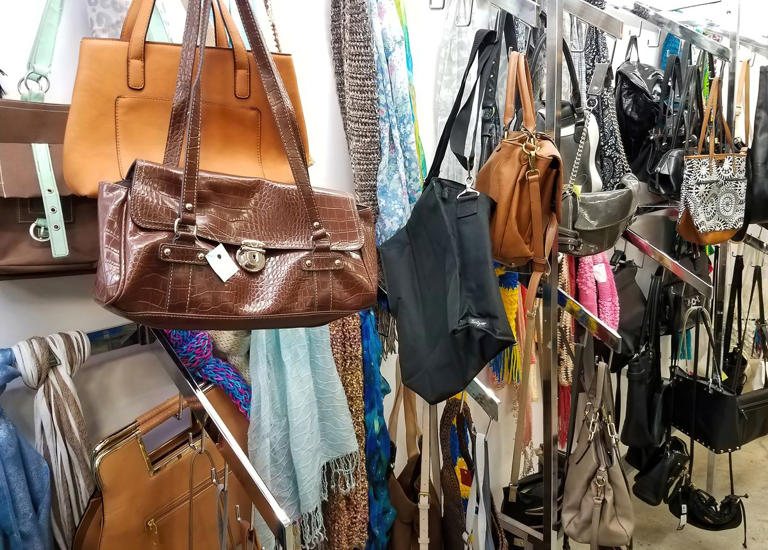
A: Tons of things: certain accessories (scarves, belts, jewelry), many types of casual clothing, decor pieces, books. These tend to carry less function-critical or hygiene-critical risk. Just apply smart filters: inspect condition, avoid overly worn fabric, verify materials, and know what to walk away from.
Final Word
When I stand in a client’s closet and spot second-hand treasures, I ask: “Is this going to hold up under your life, your body, your rhythm?” And when the answer is no—when that item is underwear, a helmet, a mattress, or anything that carries risk—I say: “Let’s do it new.”
In America we’re blessed with vast choices. Resale markets flourish. But the greatest style isn’t just about saving—it’s about empowerment, fit, structure, and how you feel when you walk out the door. Choose wisely. Spend a little more in the right places. Because your body, your safety, your comfort, your performance—they’re worth it.