
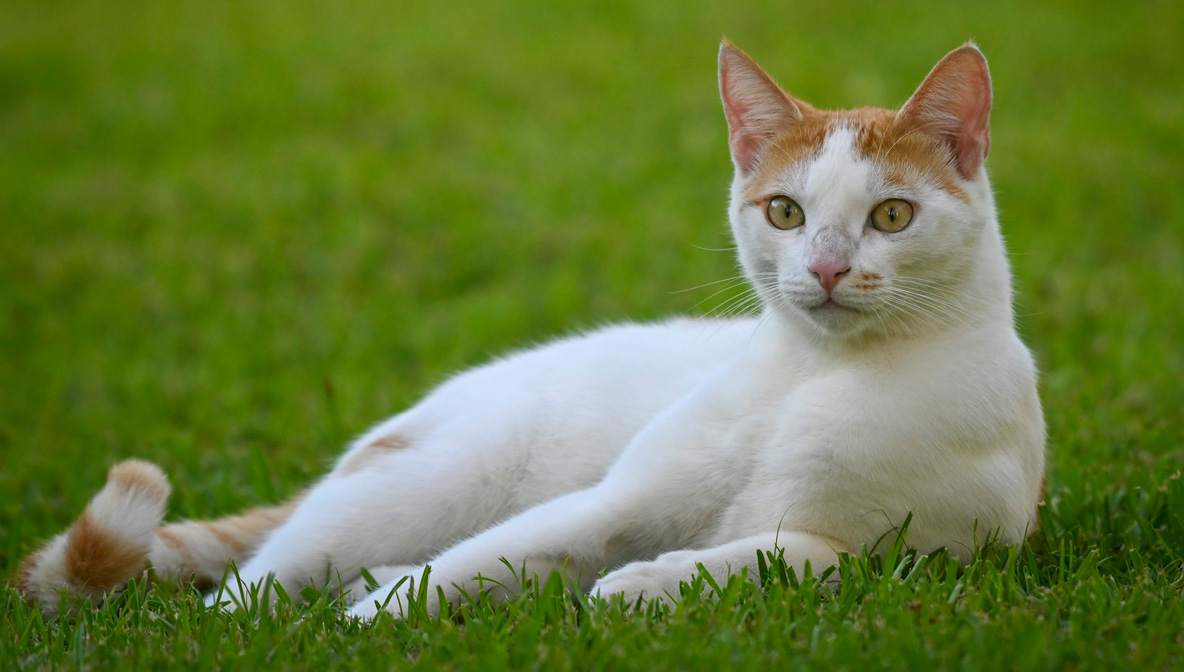
When I first adopted my cat, Luna, I thought I had everything figured out. I bought the fancy cat tree, the premium kibble, even a set of little toys shaped like sushi rolls.
She was affectionate — rubbing against my legs, purring when I came home, curling up beside me on the couch.
But then one evening, as I was gently scratching under her chin, she suddenly turned and bit my hand.
Not hard enough to bleed — but firm enough to leave me frozen, confused, and slightly betrayed.
I pulled back and muttered, “What did I do wrong?”
If you’ve ever shared your home with a cat, you’ve probably been there too — caught between cuddles and confusion.
But here’s the truth: when cats bite while being petted, it’s rarely about anger. It’s about communication — and understanding their language can transform your bond.
Let’s dive into what’s really happening behind those tiny teeth, and what you — as a loving cat parent — can do to stop the “love bites” without hurting their trust.
🐈 The Moment of the Bite — and What It Means
Picture this: You’re sitting on your couch in your New York apartment or your sunny California living room. Your cat hops onto your lap, stretches luxuriously, and starts to purr.
You gently stroke her back, her purr deepens — you’re in cat heaven.
Then, out of nowhere, she stiffens, turns, and gives your hand a quick nip.
She jumps down, tail flicking, leaving you puzzled.
This is what animal behaviorists call “petting-induced aggression.”
In simple terms, it’s when your cat enjoys petting — up to a point. Beyond that, it becomes overstimulation. It’s like if someone kept tickling you after you stopped laughing. Eventually, you’d snap too.
💬 The Science of Cat Communication
To understand why cats bite during petting, we need to step into their world — a world driven more by touch and body language than words.
Unlike dogs, who crave long strokes and rough pats, cats are wired differently.
They have tactile thresholds — invisible limits for how much touch they can tolerate before it switches from pleasant to irritating.
Their skin is packed with nerve endings, especially along their back, tail base, and belly. For some cats, too much petting in these areas feels overstimulating, almost like static electricity on their fur.
Dr. Karen Overall, a veterinary behaviorist at the University of Pennsylvania, explains it like this:
“Cats experience touch more intensely than humans do. What feels gentle to us can sometimes feel like overload to them.”
So when your cat bites during petting, it’s often her way of saying, “That’s enough, please stop.”
🐾 The Emotional Layer — Cats Have Boundaries Too
We often expect cats to behave like affectionate dogs — loyal, endlessly pettable, forgiving.
But cats are different. They’re autonomous creatures.
They love affection, but on their terms. That’s not aloofness; it’s actually emotional intelligence.
I remember visiting a friend in Austin who had two cats: Maple and Mocha. Maple loved belly rubs and attention; Mocha would sit nearby, purring but keeping her distance.
My friend said, “Mocha’s love language is space.”
That stuck with me. Cats show affection differently — sometimes through being near you, not necessarily being touched.
If your cat bites, she’s not rejecting you. She’s just enforcing her boundary.
And if you learn to read those cues before she feels the need to bite, your bond will only grow deeper.
👀 Signs Your Cat Is Reaching Her Limit
The key is to watch for warning signals. Cats rarely bite without giving you clues first — we humans just miss them because they’re subtle.
Here are common pre-bite signals to look for:
-
Tail flicking or twitching – A cat’s tail is her mood barometer. Gentle movements mean calm; sharp flicks mean irritation.
-
Ears turning sideways or back – If her ears shift from upright to “airplane mode,” stop petting.
-
Skin rippling or twitching – This shows sensory overload.
-
Sudden body tension – If she stiffens or stops purring, that’s your sign.
-
Head turning toward your hand – She’s warning you before she bites.
If you stop petting when you see these signs, you’ll likely avoid the bite altogether.
Over time, you’ll learn your cat’s unique body language — just like learning a friend’s moods.
🧠 The Psychology Behind the Bite: Overstimulation vs. Play vs. Pain
Not all bites mean the same thing. There are three main categories to understand:
1. Overstimulation (The “Enough!” Bite)
This is the most common. Your cat enjoys petting for a while, but sensory input builds up until it’s too much.
It’s not aggression — it’s self-protection.
2. Play Biting (The “I’m Having Fun!” Bite)
Kittens and young cats often bite as part of play. In nature, they learn bite control by roughhousing with littermates.
If your hand becomes their toy, they don’t realize it hurts you.
👉 Solution: Redirect with toys, not your fingers. Wands, feathers, and laser pointers work wonders.
3. Pain or Sensitivity (The “Something’s Wrong” Bite)
If your cat suddenly starts biting during petting — especially if she used to enjoy it — it may signal pain.
Arthritis, skin allergies, or dental issues can make touch uncomfortable.
In the U.S., where indoor cats often live long lives (15–20 years), age-related pain is common. Always check with your vet if behavior changes suddenly.
❤️ The Human Side: Why It Feels Personal
When Luna first bit me, it honestly hurt my feelings more than my hand.
I remember thinking, “I feed you, play with you, buy you treats — why bite me?”
But I realized I was taking it personally when it wasn’t about me at all.
It was about how she experiences the world — through instinct, not intention.
Cats don’t think in terms of “good” or “bad.” They think in terms of “safe” or “unsafe.”
When petting crosses into overstimulation, their instinct says, “I need to stop this before it gets uncomfortable.”
The bite is their way of controlling the situation — not punishing you.
When I started respecting Luna’s signals — shorter petting sessions, more breaks, and letting her initiate touch — she stopped biting entirely. Our relationship became softer, calmer, more trusting.
🐾 How to Pet a Cat — The Right Way (According to Science)
British researchers once studied where cats actually like to be touched, and the results surprised a lot of people.
Cats generally prefer:
-
Under the chin
-
Around the cheeks
-
The base of the ears
-
Along the upper back
They tolerate (but don’t love):
-
Belly
-
Tail base
-
Paws
So the next time you settle down with your cat, start slow.
Let her sniff your hand. If she leans in or rubs against you, that’s a “yes.”
If she moves away or stays still, wait.
Think of it as a conversation, not a command.
🧩 The Cultural Factor — The American Cat Dynamic
In the U.S., cats have evolved from barn protectors to beloved family members. Nearly 46 million American households share their homes with at least one cat, according to the American Pet Products Association.
But despite this, many Americans misunderstand cat behavior — expecting dog-like affection or obedience.
In countries like Japan or Italy, cats are often admired for their independence. But in the U.S., we sometimes see it as rejection.
Learning your cat’s boundaries isn’t just about avoiding bites — it’s about rethinking what love looks like between species.
A cat who bites isn’t “bad.” She’s just communicating in the only way she knows how.
And once you adapt to her rhythm, you’ll find her affection even more meaningful — because it’s truly earned.
🪞 A Personal Reflection: From Bites to Bonding
It took me months to decode Luna’s cues.
Now, when she hops on my lap, I let her lead. Sometimes she stays for ten minutes, sometimes just two.
She’ll push her head into my hand, and I’ll give her a few strokes along her cheek.
When her tail twitches once, I stop. She looks up, blinks slowly — her version of a thank-you — and curls up beside me.
That’s trust. That’s communication.
The bite that once felt like betrayal was really the start of understanding.
🏡 Tips for U.S. Cat Owners to Prevent Biting
Let’s turn this wisdom into action. Here are 10 practical tips for cat parents across the U.S.:
-
Let your cat initiate touch. Don’t chase them down for cuddles.
-
Pet shorter, more frequent sessions instead of long ones.
-
Stick to “safe zones” — chin, cheeks, top of head.
-
Watch for warning signs like tail flicking or ear movement.
-
Avoid petting when your cat is overstimulated (after play, after eating, etc.).
-
Provide enrichment — climbing trees, window perches, and interactive toys reduce tension.
-
Respect “no” — if she walks away, let her. She’ll come back when ready.
-
Use toys for play, not hands. Prevents bite association with skin.
-
Check for health issues if behavior changes suddenly.
-
Reward calm behavior with treats or soft praise.
Cats thrive in predictable, respectful environments — just like people do.
🧘♀️ Understanding Cats Is Like Practicing Mindfulness
Living with a cat teaches patience.
You learn to read micro-signals, pause before acting, and accept that affection can look quiet — like sitting together in silence.
In a way, cats remind us to slow down — to be present, observant, gentle.
Every American household that shares life with a cat knows this truth: when you stop trying to control your cat, you finally start to understand her.
💖 The Bite That Teaches You Love
Today, when Luna lightly nibbles my finger, I smile. It’s no longer a threat — it’s her way of saying, “I trust you enough to warn you.”
Understanding your cat’s bite isn’t about control; it’s about empathy.
It’s realizing that love can come with limits — and respecting those limits makes love last longer.
So next time your cat bites while you’re petting her, don’t pull away in anger.
Take a breath, give her space, and remember — you’re speaking different languages, but you’re learning each other beautifully.
🐾 Final Thoughts
Cats bite not because they’re mean, but because they’re honest.
They feel deeply, they trust cautiously, and they communicate subtly.
When we learn to listen — really listen — those little bites become lessons in connection.
And if you’re a cat lover in America today, overwhelmed by work, screens, and constant motion, your cat’s quiet signals might just be your best reminder to slow down — to touch, to notice, and to love gently.
Because sometimes, the bite isn’t the end of affection — it’s the beginning of understanding.