
The drip starts slowly. A small puddle beneath that tall, cylindrical appliance in your basement or garage. You see the corrosion on the tank, and you know—it’s time for a new water heater. Your first thought might be, “I’m handy. I can save a thousand dollars and do this myself.”
It’s a tempting proposition. A quick online search might even yield a blog post titled “Replace Your Water Heater in 10 Easy Steps!” But before you head to the home improvement store, let’s talk about what those “easy steps” often leave out.
Replacing a water heater is a deceptively complex task that sits at the dangerous intersection of plumbing, electrical work (or gas fitting), and structural safety. A mistake in any one of these areas can lead to catastrophic property damage, serious injury, or even loss of life.
This isn’t meant to discourage your DIY spirit, but to empower you with the knowledge of why this is one project where calling a licensed professional isn’t a sign of weakness—it’s a sign of wisdom.
Here are the critical reasons why a professional installation is non-negotiable.
The Hidden Dangers in Those “Easy Steps”
1. The Weight and Logistics:
A standard 50-gallon water heater can weigh over 150 pounds when empty. Maneuvering this bulky, awkward object down a flight of stairs, around corners, and through your home is a significant risk to your back, your walls, and your safety. Professionals have the equipment and muscle to handle it safely.
2. The Water Connection Nightmare:
This isn’t just unscrewing a hose. You’re dealing with high-pressure water lines.
-
Shutting Off the Water: You must know the correct main shut-off valve and verify it’s working. If an old valve breaks during the process, you now have a geyser in your house with no way to stop it.
-
Old, Seized Fittings: The connections on your old heater are likely corroded and seized. Applying the wrong force can snap a pipe inside your wall, turning a simple replacement into a major, emergency plumbing repair.
-
Leak Potential: Even if you get it disconnected, the new connections must be perfect. A slow leak from a poorly soldered joint or a misaligned compression fitting can go undetected for weeks, leading to mold, rot, and thousands of dollars in damage.
3. The Fuel Source: A Point of No Return
This is the most critical distinction.
-
Gas Water Heaters: This is absolutely not a DIY project. The risks are simply too high.
-
Gas Leaks: A tiny error in connecting the gas line—a cross-threaded fitting, an improperly doped connection, or a faulty valve—can lead to a natural gas leak. Gas is explosive and can also cause carbon monoxide poisoning, a silent, odorless killer.
-
Venting: The flue pipe that exhausts deadly carbon monoxide must be perfectly installed. An improper slope or a loose connection can cause this toxic gas to backdraft into your home instead of venting outside. This is a matter of life and death.
-
Code Compliance: Gas work requires permits and inspections in nearly every municipality for a reason: to ensure the safety of your family and your neighbors. An unpermitted gas installation can also void your home insurance.
-
-
Electric Water Heaters: While less immediately dangerous than gas, the risks are still severe.
-
High Voltage: You are working with 240-volt circuits, which are far more dangerous than standard 120-volt household outlets. A mistake can lead to severe electrical shock or electrocution.
-
Correct Wiring: The wiring must be matched exactly to the new unit’s requirements. An error can short-circuit the unit, cause an electrical fire, or permanently damage the heating elements.
-
4. The Code Compliance Labyrinth
Building codes are not arbitrary bureaucracy; they are a set of rules written in blood and experience to ensure safety. A professional plumber knows the latest codes, which have likely changed since your old water heater was installed. This often includes:
-
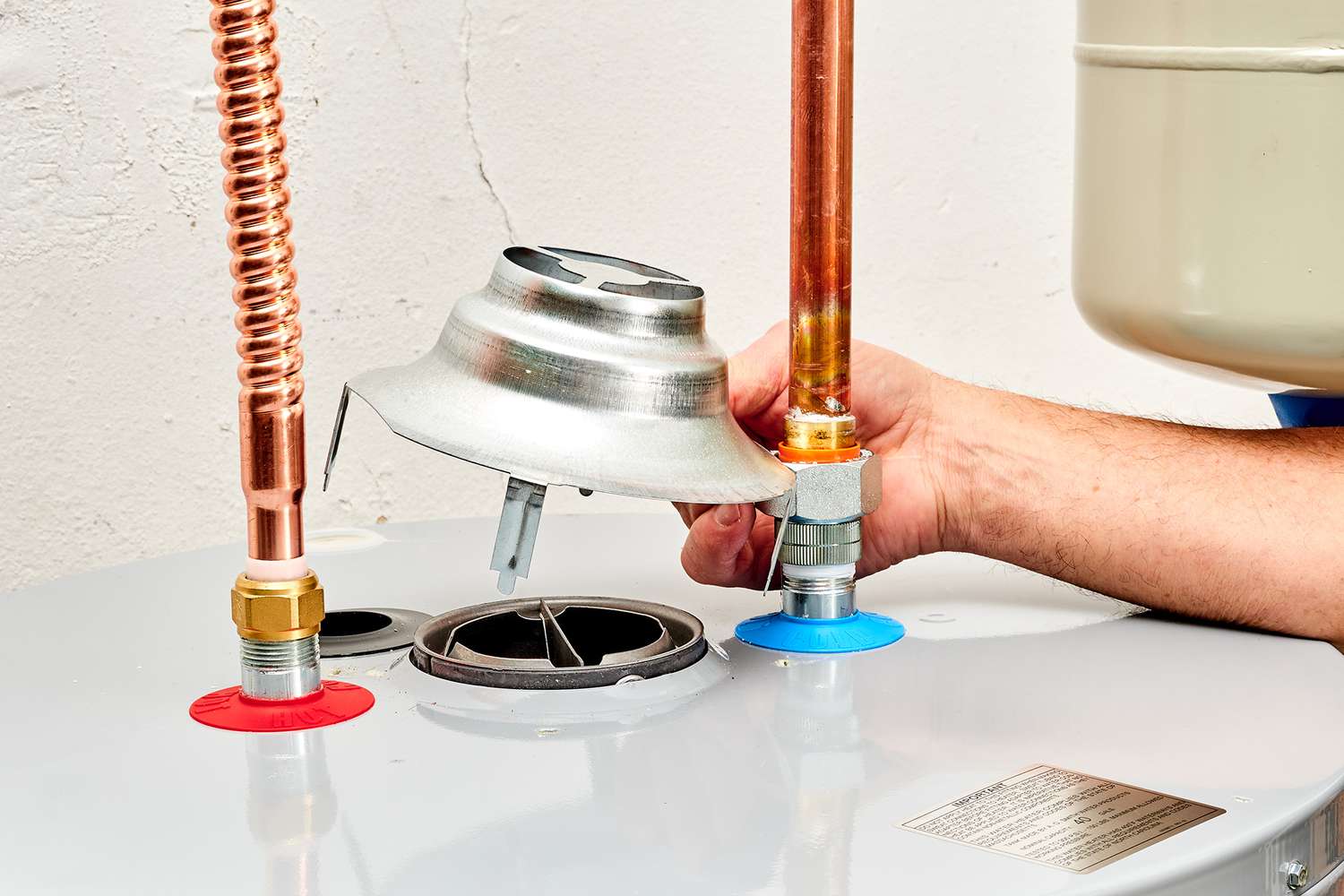
Expansion Tank: Most modern codes require a thermal expansion tank on the cold water line to handle pressure buildup, a critical safety feature.
-
Drain Pan: If the water heater is located anywhere that a leak could cause damage (like an attic or a second floor), a drain pan piped to a drain is required.
-
Earthquake Straps: In seismic zones, strapping the water heater to the wall is mandatory to prevent it from falling over during an earthquake, which could rupture gas and water lines.
Failure to meet code can result in failed inspections, fines, and a voided home insurance policy if a claim is ever linked to the faulty installation.
What You Can Do Safely (The True “DIY” Steps)
Your role as a prepared homeowner is invaluable. Here’s how you can contribute to a smooth and efficient replacement:
-
Diagnose the Problem: Confirm it’s the tank and not a simpler component like a thermostat or heating element.
-
Research and Purchase: Decide on the type (gas, electric, heat pump), capacity, and energy efficiency that’s right for your home. Your pro will appreciate this.
-
Clear the Path: Move all stored items away from the old water heater. Sweep the area and ensure there is a clear, unobstructed path from the door to the installation site.
-
Get Multiple Quotes: Call 2-3 licensed, bonded, and insured plumbers for quotes. Ask them to explain the process and why their price is what it is.
-
Be the Point of Contact: Be home during the installation to answer questions and provide access. A good pro will walk you through what they did once the job is complete.
The True Cost of “Saving Money”
While a DIY water heater installation might seem to save you $800-$1,500 in labor, weigh that against the potential costs of a mistake:
-
Water Damage: $5,000 – $50,000+
-
Repairing a Gas Leak: $500 – $5,000+ (if it doesn’t destroy your home first)
-
Medical Bills from Electrocution or Fire: Incalculable.
-
Voided Home Insurance Claim: Catastrophic.
The peace of mind that comes from a safe, code-compliant, and warrantied installation is worth the investment. Your home and your family’s safety are the foundation of everything. Some projects are perfect for learning and doing yourself. Replacing a water heater is one where the smartest tool you can use is your phone—to call a qualified professional.