
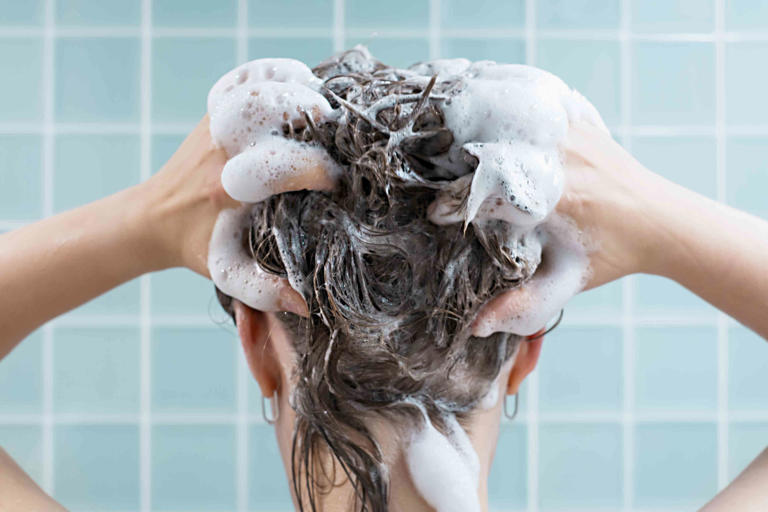
It was a quiet Sunday morning in suburban Ohio when Jenna — a 32-year-old marketing executive and mom of two energetic toddlers — paused mid-shower and stared at her reflection. Her hair, usually lively and bouncy on Mondays, felt limp and flat. She realized she’d stretched her usual wash-day by another day. Between weekend errands, brunch plans, and prepping for Monday’s big pitch, the hair-wash had slipped to “later.” But as she leaned in to rinse the shampoo, she caught a faint odor, a subtle itch near her scalp, and a few tiny white flecks on her dark hair. None of it felt dramatic—but everything felt off.
If you’re reading this and thinking “Huh – I’ve felt something similar lately,” you’re not alone. For many of us across the U.S., busy lives mean wash-days get postponed. But here’s the thing: your scalp doesn’t come with a neon “Overdue!” sign. Instead it sends soft signals. Little clues. Hints. And when we ignore them, our hair and scalp suffer in quiet, cumulative ways.
In this storytelling-style article, we’ll walk through 10 subtle signs you might not be washing your hair enough—and why these signs matter. Whether you’re juggling kids, commuting in Chicago traffic, working from home in Austin, or balancing a side-hustle in Seattle, the message is meant for you. After all, your hair-care routine should serve your life—not complicate it.
1. The Grease Is Sneaky—But Real
One of the easiest signals your scalp is overdue for a clean: a slickness you don’t quite notice until someone sits beside you. In everyday U.S. life—commutes, gym workouts, midday caffeine runs—your scalp’s oil (sebum) is constantly being produced. When you don’t wash regularly, that oil begins to accumulate.
Jenna remembers touching the back of her head during her commute and catching a little shine she didn’t recognize. It wasn’t the bright “I overslept and look greasy” shine—it was subtle. Then later, the faint scent of “been outside too long without a rinse” in her hair.
Your scalp is trying to say: “Hey, I’m holding onto oil and residue.” It may look like extra slickness at the roots, a limp feel when you flip your hair, or simply “something doesn’t feel clean.”
Ignoring this not only affects how your hair looks, it affects how you feel—like you’re wearing yesterday’s coat.
2. Your Scalp’s Itching, Tensing or Getting Sensitive
Have you caught yourself scratching your head a little more often than you’d like to admit? Maybe you notice a slight tickle at the scalp when your hair is up in a ponytail, or your ears feel a little warm near the hairline.
This is your scalp’s micro-irritation warning. Because when oil, sweat, dead skin and styling residue sit too long on your scalp, they become a breeding ground for dust, bacteria, even yeast. That tiny tingling, scratching feeling? It’s the scalp’s appeal for action.
In everyday U.S. routines—hot yoga sessions in Los Angeles, outdoor commutes in humidity, borrowed baseball caps—these accumulations happen faster than you think. The longer you stretch your wash schedule, the more your scalp may start to register discomfort.
3. Flakes, Dandruff or Scalp “Snow” Show Up
You know that moment: you’re wearing a dark shirt or blazer, you lean your head, and suddenly a tiny white flake drifts down. It’s subtle, but it’s there.
Flakes can come from dryness, sure—but a frequent culprit is oil + dead skin + inadequate cleansing. When the scalp’s ecosystem gets out of balance, little white or yellow flakes can form. And for many Americans, deep-conditioning, festival of styling products, plus environmental exposure make this more common than we realize.
Jenna didn’t consider her once-in-a-while “flake” habit to be anything major—until she noticed them more often. Suddenly her shoulders looked like she’d just walked through a dry-leaf storm.
If you’re seeing flakes — even occasionally — it could mean your scalp is telling you: “I’m overdue for a reset.”
4. Existing Scalp Issues Seem to Be Getting Worse
Maybe you’ve had mild scalp issues in the past—occasional dandruff, a sensitive area near the crown, or scalp dryness after coloring. If those are flaring up more often, your washing routine might be the missing piece.
When you don’t cleanse thoroughly and often, those pre-existing issues can deepen. The oil & residue that sit on the scalp act as fuel for scalp conditions like seborrheic dermatitis, causing redness, patches, itchiness. In the U.S., where we’re exposed to more indoor-outdoor transitions, heat/cold swings, heavy styling and frequent coloring, the risk goes up.
Jenna had previously noticed mild flares post-coloring. Lately she observed the edges of her hairline around her forehead felt a little more sensitive, the scalp a little more tight. She realized: the wash schedule she used when things were calm doesn’t cut it now.
5. Product Buildup: When Your Hair Feels Coated
If your hair has a heavy feeling, like when you’ve applied too much styling cream but didn’t wash it out, you might be dealing with residue buildup. That’s especially true if you use dry shampoo, waxes, serums or frequent heat styling.
In U.S. salons and everyday routines, we layer: a mousse Monday, a serum Tuesday, hairspray Wednesday. Rinse? Pfft, maybe later. But over time those silicones, oils, styling polymers stick to your hair and scalp.
The result: your hair might look dull, feel sticky at the roots, lose bounce. Jenna noticed that after a busy week of meetings and a weekend event, her hair felt “flat … like it wasn’t mine.” In reality it was the layer of products accumulated plus low washing frequency.
Cleaning your scalp isn’t just about “does my head feel clean?” —it’s about removing the ghosts of styling past.
6. You’re Shedding (or Breaking) More Than Usual
Finding a few hairs after washing or brushing is normal. But if you’ve started noticing more than your usual, or you’re seeing breakage at the ends, that might tie back to your wash routine.
Under-washing can lead to inflammation around hair follicles (thanks accumulated oil + debris) and hamper moisture absorption into strands. When hair is coated by oil or residue it can become brittle, weak, easier to shed. According to studies, lower wash-frequency has been linked to increased risk of hair loss.
In Jenna’s case she didn’t panic when she saw a few more hairs in the shower drain—but when her ponytail felt thinner by Friday, she paid closer attention. You might not need a full alarm, but a gentle “Hmm, this is more than usual” feels like your scalp whispering.
7. Your Hair Looks Flat, Lifeless or Lacks Volume
One of the modest but telling signs: your hair just doesn’t move like it used to. The bounce is gone. The movement is sluggish. That delighted flip of your hair doesn’t happen.
Why? Because when your scalp is coated by oil/residue, it can weigh down your roots. Styling products cling, oil seeps, and your hair’s natural texture gets suppressed. In a culture of blow-outs, waves, “big hair” in many U.S. cities, noticing that lack of lift is the hair’s subtle SOS.
Jenna used to get compliments on her “morning bounce.” Lately no one said anything. She realized underneath it wasn’t the color or cut—it was the cumulative effect of skipping washes.
If you feel like your hair is “just sitting flat,” it might be time to revisit your wash routine.
8. There’s a Faint (Unpleasant) Odor You Can’t Pin
Here’s one that many people ignore: hair smells different. It’s faint, maybe only you notice it. But it’s there.
Scalp oil + sweat + environmental pollutants + styling residues can create a little ecosystem of odor-giving stuff. You might think it’s “my hat needed a clean” — maybe—but often your hair and scalp are quietly telling you: “Hey, a catch-up wash would help.”
For Americans who train early, hit the gym after work, commute in variable climates, and layer styling products mid-week, the hair-odor risk is real. Jenna remembered about halfway through her day at work she brushed back a strand of hair and caught a subtle “outside all morning” scent. She left the meeting room early and rinsed at home.
Don’t underestimate this sign. Your nose picks up what your scalp is trying not to broadcast.
9. Something About Your “Hair Hygiene Confidence” Feels Lower
This one is less physical and more internal. How many times have you avoided a midday mirror check because your hair “just doesn’t feel right”? Or skipped a social event because you didn’t feel confident about your hair? Your subconscious is often registering hair-hygiene before you consciously do.
In U.S. culture, where clean, healthy hair often ties into professional presence, social readiness, self-esteem—feeling like your hair is off can weigh on you. Maybe it’s avoiding a Zoom call video because your scalp feels heavy. Maybe you cancel a dateline because you just don’t feel fresh.
Jenna noticed this: she didn’t engage as lively in her team sync because she felt a little “out of sorts.” It wasn’t her clothes. It wasn’t her caffeine level. It was her hair. She realized her scalp’s postponement of wash had spilled into her confidence.
This sign might not be loud. It’s subtle. But it matters.
10. You Keep Postponing Wash Day—but Nothing Else Feels Wrong
Finally: the sign we all know but ignore. You’re postponing your usual wash day for “just one more day.” And you rationalize: “My hair still looks fine.” “I’m busy.” “It’ll be okay till tomorrow.”
Here’s the truth: If your hair really felt fine, you’d not be postponing. Because deep down your scalp is nudging you. But busy schedules, U.S. lifestyles, commuting, parenting, remote-work blur the cues. Before you know it, you’ve gone two, three, maybe four extra wash-cycles.
If your hair, scalp and styling are all slipping slightly—but you ignore it because “it’s just one more day”—that’s a sign too. You’re past the simple lag. You’re creeping into “scalp overdue” territory.
Jenna chalked it up to “I’ll do it tomorrow” for a week. Then she realized her hair took longer to bounce back, and the “wash reset” felt slower. Lesson: your scalp doesn’t recover instantly.
Why These Signs Matter (And What They Tell Us)
Some of you may be thinking: “It’s just hair, why such fuss?” Fair point. But here’s why these signs matter—especially for those of us in the United States juggling full lives:
-
Your scalp is an ecosystem. Undergoing constant exposure (pollution, sun, HVAC systems, sweat, hats) means your scalp needs more attention than you might think.
-
Early signals lead to bigger issues. When you ignore buildup, it’s not just “hair feels ick.” Over time it can lead to inflammation, hair-thinning, scalp conditions that require medical care.
-
Confidence & presence. In jobs where presentations, meetings, professional appearance matter (and that’s a huge swath of Americans), small hair/hygiene wrinkles can affect how you feel, which affects how you show up.
-
It’s practical self-care. A 10-minute wash and rinse can avert multiple smaller hassles down the road. When life is busy, routines that work matter.
By recognizing these signs, you’re not obsessing—you’re tuning in. you’re simply paying attention to what your scalp and hair are telling you.
How to Adjust Your Routine for U.S. Life
Now that you know the signs, here’s how to make practical changes that fit your schedule, your region, your hair type (yes, hair type matters).
1. Know your hair & scalp type. If you live in a humid region (Florida, Texas, Louisiana) or you commute and sweat, you might need more frequent washes. If you have dry, curly hair (common in many U.S. ethnic groups), you can stretch a little more—but still watch the signs.
2. Make wash-days realistic. If you used to wash every three days and now you’re stretching to five—try setting a firm “no later than” rule: e.g., Max 4 days without shampoo. Put it in your calendar if you must.
3. Use a double-wash if you use many styling products. First shampoo: remove buildup. Second shampoo: cleanse scalp and roots. Condition only the lengths unless your scalp is dry.
4. Use clarifying shampoos occasionally. Once every 2-3 weeks, use a clarifying wash to reset. Great for U.S. residents who use dry shampoo, live in dusty cities, or work out regularly.
5. Support your scalp in between washes. Rinse with water + scalp massage, use lightweight scalp mist if your scalp is itchy. But don’t rely on these instead of washing.
6. Monitor your routine and signals. Keep tabs: when did you last wash? How does your scalp feel? How does your hair behave? If you detect one or more of the signs above, adjust next time.
Frequently Asked Questions (FAQs)
Q1. How often should I wash my hair in the U.S.?
It depends. If you have an oily scalp, fine straight hair, and live in a warm/humid climate, you might wash every 1-2 days. If you have dry, curly, thick hair and live in a cooler climate, you might wash once a week or every 5-7 days—yet still monitor the signs. [Note: this is not “one size fits all”.]
Q2. Can skipping washes help my hair grow or get healthier?
Not always. While some people think “less washing = less damage,” under-washing can lead to buildup, follicle stress, inflammation and in some cases increased shedding. The key is balanced cleansing—not extremes.
Q3. What if my hair feels dry and I’m worried about over-washing?
Then you need a routine tailored to dryness. Use gentle shampoo, condition thoroughly, wash less often—but still wash when your scalp signals it (itching, flakes, odor). Dry hair doesn’t mean no washes—it means smart washes.
Q4. Can dry shampoo replace a real wash?
No. Dry shampoo is a helpful tool between washes, but it doesn’t replace rinsing out oil, dead skin, pollutants and product residues. If you over-rely on dry shampoo and under-wash, you risk many of the signs we covered.
Q5. My scalp itches a lot—is it always because I’m not washing enough?
No, not always. Itchy scalp can also result from sensitivity to a product, scalp psoriasis, eczema, or other medical issues. But if an itch coincides with skipping wash-days and buildup, then yes—wash-frequency may be a culprit.
Q6. Do I need to wash the ends of my hair too?
Your shampoo primarily needs to get the scalp and roots. The ends often just need rinse/condition unless you use heavy styling product on them. Over-shampooing the lengths can strip moisture.
Q7. I live in a hot/humid U.S. city—should I wash more often?
Likely yes. Increased sweat, pollution, outdoor time mean your scalp gets more exposure and potential buildup. Pay extra attention to scent, oiliness, itchiness, and don’t stretch wash-days just because you’re busy.
Final Thought
It’s tempting to let your hair-wash routine slip when life is full—and that’s okay. The message here is: your scalp and hair won’t stay silent forever. They’ll send you small signals. A tiny itch. A little flatness. A faint odor. That’s your cue.
In American life—lunch meetings, soccer practice pickups, weekend brunches, early morning commutes—your hair serves you. It feels good when it responds. By tuning into these 10 subtle signs, you give it the care it actually needs—not just the care you think it needs.
So tomorrow morning, when you’re deciding whether to wash or “just one more day,” pause for a moment. Flip your hair. Touch your scalp. Listen. If you catch a whisper of discomfort or a flash of buildup, go ahead: schedule your wash. Because a small step today means your hair—and confidence—feels noticeably better tomorrow.