
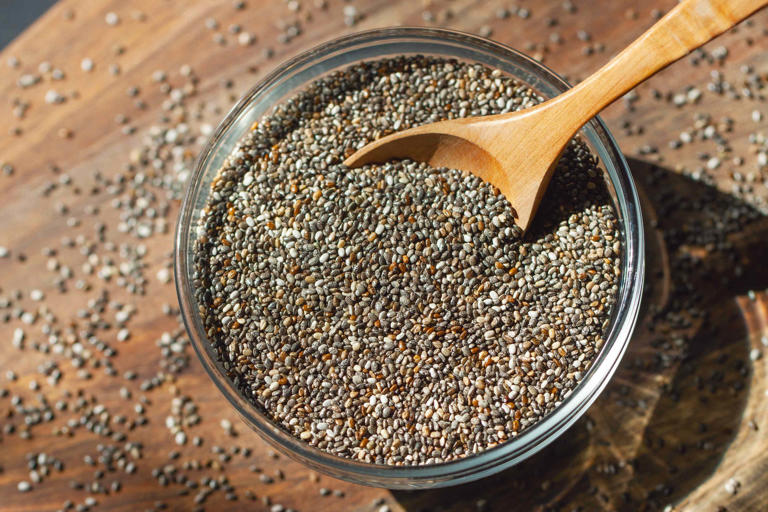
I still remember the first time I tried chia seeds. It was a chilly morning in Seattle, and my friend Maya, a nutrition coach, handed me a glass of chia pudding she had prepared the night before. Tiny black seeds had swollen into a gel-like pudding, topped with fresh berries and almond milk. I was skeptical. How could such tiny seeds make any difference to my health?
But within weeks of adding chia seeds to my morning routine, I noticed subtle changes — steadier energy throughout the day, less mid-afternoon hunger, and even a calmer gut. As I researched further, I realized that these little seeds, once a staple of ancient Aztec and Mayan diets, are more than just a trendy health food in the U.S. They are a nutritional powerhouse that can positively impact a range of health conditions.
If you’ve ever wondered why nutritionists, health coaches, and wellness influencers can’t stop talking about chia seeds, you’re about to find out. In this article, we’ll explore 7 health conditions that chia seeds can help with, backed by science and practical tips for incorporating them into your daily life.
1. High Blood Pressure (Hypertension)
One of the most common health issues in the U.S. is high blood pressure, affecting nearly 1 in 3 adults. Hypertension increases the risk of heart attack, stroke, and kidney disease.
Chia seeds are rich in omega-3 fatty acids, fiber, and antioxidants, all of which contribute to heart health. Studies have shown that chia seeds can help lower systolic and diastolic blood pressure.
Story moment:
My uncle in Texas, a retired firefighter, had been struggling with hypertension for years. His doctor recommended dietary changes alongside medication. When he started adding chia seeds to his breakfast oatmeal and smoothies, he noticed a modest but meaningful drop in his blood pressure readings over a few months.
Tip: Sprinkle 1–2 tablespoons of chia seeds into smoothies, yogurt, or oatmeal daily for a heart-healthy boost.
2. Diabetes and Blood Sugar Regulation
Blood sugar spikes are a common problem in America, particularly with the prevalence of type 2 diabetes. Chia seeds are high in soluble fiber, which slows digestion and helps regulate glucose absorption.
Research suggests that chia seeds can improve glycemic control, reducing post-meal blood sugar spikes. For those managing pre-diabetes or type 2 diabetes, this can be a game-changer.
Real-life example:
A friend in California, diagnosed with pre-diabetes, incorporated chia seeds into her diet. She started her mornings with a chia pudding made with unsweetened almond milk and berries. Over a few months, her fasting glucose levels improved, which motivated her to maintain other healthy lifestyle changes.
Tip: Always pair chia seeds with meals rather than consuming them alone on an empty stomach to optimize blood sugar stabilization.
3. Digestive Health and Constipation
Fiber is essential for healthy digestion, and most Americans fall short of the recommended daily intake of 25–30 grams. Chia seeds are about 34% fiber by weight, primarily soluble fiber that absorbs water to form a gel.
This gel adds bulk to the stool, promotes regular bowel movements, and nourishes beneficial gut bacteria. For people suffering from constipation or irregular digestion, chia seeds can be a gentle and effective solution.
Story moment:
I met a wellness blogger in New York who swore by a tablespoon of chia seeds soaked overnight in water as her first morning ritual. She described it as “nature’s gentle cleanser,” helping her maintain consistent digestion without harsh laxatives.
Tip: Start with 1 tablespoon of chia seeds daily and gradually increase to avoid bloating. Drink plenty of water for best results.
4. High Cholesterol and Heart Disease
Cholesterol management is another area where chia seeds shine. They are rich in alpha-linolenic acid (ALA), a plant-based omega-3, which can help lower LDL cholesterol (the “bad” cholesterol) and increase HDL cholesterol (the “good” kind).
Additionally, the fiber in chia seeds binds to cholesterol in the digestive tract, helping remove it from the body.
Case in point:
My friend in Florida, a 55-year-old vegan, had borderline high cholesterol despite a healthy diet. Incorporating chia seeds into his meals — adding them to smoothies, salads, and even baked goods — contributed to a noticeable improvement in his cholesterol profile after a few months.
Tip: For cholesterol support, aim for 2 tablespoons of chia seeds per day, ideally soaked or incorporated into a meal rather than eaten dry.
5. Weight Management
Obesity is a growing concern in the United States, with over 42% of adults classified as overweight or obese. Chia seeds can be a helpful ally for weight management due to their fiber and protein content.
When soaked, chia seeds expand up to 10 times their size, forming a gel that promotes satiety. This helps control appetite and reduces cravings between meals.
Story moment:
A friend in Chicago struggled with late-night snacking. She started keeping a jar of overnight chia pudding in her fridge, topped with berries. The gel-filled pudding kept her full until lunchtime, helping her reduce calorie intake naturally.
Tip: Combine chia seeds with protein-rich foods for maximum satiety. Overnight chia puddings, chia oatmeal, or chia smoothies work well.
6. Bone Health and Osteoporosis
Calcium often gets the spotlight for bone health, but magnesium, phosphorus, and omega-3 fatty acids are equally important. Chia seeds provide all three.
Magnesium in chia seeds helps the body absorb calcium efficiently, while phosphorus strengthens bone mineralization. For vegans or those avoiding dairy, chia seeds can be a critical component of maintaining healthy bones.
Real-life insight:
A retired yoga teacher in Oregon, mindful of her bone density, began sprinkling chia seeds on salads and in smoothies daily. Her follow-up bone scans showed stable bone density, which she credited in part to consistent chia intake.
Tip: Combine chia seeds with other plant-based calcium sources like kale or fortified plant milk for optimal bone support.
7. Inflammation and Chronic Disease
Chronic inflammation is linked to a host of health problems — heart disease, diabetes, arthritis, and more. Chia seeds are rich in antioxidants, omega-3 fatty acids, and polyphenols, which help fight inflammation in the body.
Story moment:
A middle-aged man in Denver dealing with arthritis noticed his joint stiffness decreased slightly after incorporating chia seeds into his diet. While chia seeds are not a cure, their anti-inflammatory properties complement other lifestyle interventions such as exercise and stress management.
Tip: Add chia seeds to meals daily to harness their anti-inflammatory benefits. Smoothies, puddings, or even baked goods are effective delivery methods.
How to Incorporate Chia Seeds into Your Daily Routine
Chia seeds are remarkably versatile. Here are a few practical tips for U.S. residents:
-
Overnight pudding: Soak 2 tablespoons in almond milk or soy milk overnight. Top with berries, nuts, or cinnamon.
-
Smoothies: Blend 1–2 tablespoons of chia seeds with fruits and greens.
-
Baked goods: Add chia seeds to muffins, bread, or granola bars.
-
Sprinkle on salads: Add a tablespoon to salads for a subtle crunch.
-
Hydration gel: Mix 1 tablespoon in water for a pre-workout energy boost.
Pro tip: Always pair chia seeds with liquid when consuming dry. They absorb up to 10 times their weight in water, and swallowing dry seeds can cause digestive discomfort.
Final Thoughts
Chia seeds may be tiny, but their impact is mighty. From supporting heart health, blood sugar control, and digestion to assisting with weight management, bone strength, and inflammation, these little seeds truly deserve their “superfood” status.
For Americans navigating busy lives, processed diets, and rising chronic health conditions, chia seeds are an easy, affordable, and plant-based way to bolster nutrition. They’re simple to incorporate, compatible with almost any meal, and packed with nutrients most of us don’t get enough of.
If you haven’t tried them yet, consider starting small — a tablespoon in your morning smoothie or overnight pudding. In a few weeks, you might just notice subtle but meaningful changes in your energy, digestion, and overall wellness.
Remember, good health often starts with small, consistent choices — and chia seeds are a perfect example of that principle.