
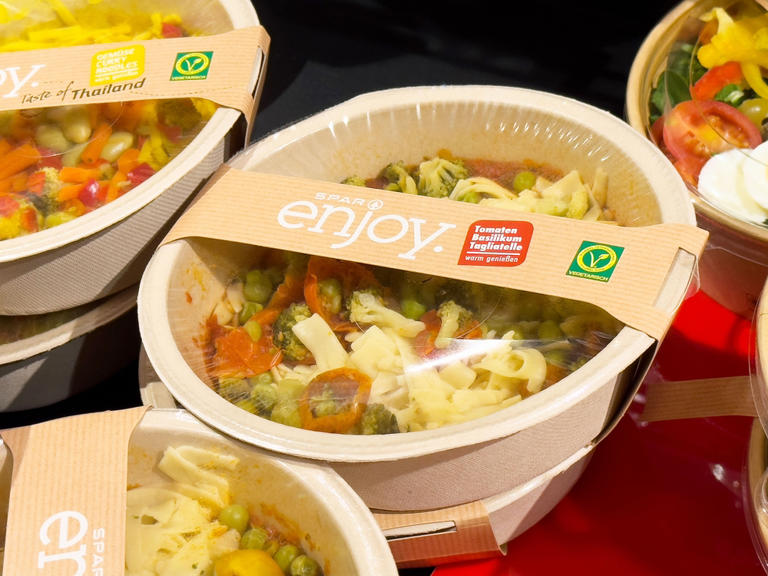
When Dinner Turns Dangerous
It started like any other weeknight across America.
A mom in Ohio heated up a creamy pasta meal she’d picked up from her local grocery store.
A college student in Texas microwaved his favorite fettuccine for a late-night study break.
And a retiree in Florida decided to skip cooking and grabbed a ready-made pasta salad from the fridge section at her supermarket.
But within days, the headlines started flooding in: “Dozens hospitalized after eating contaminated pasta meals sold at major supermarket chains.”
What seemed like a harmless dinner option — a bowl of pasta — suddenly became the center of a nationwide food scare.
The Story Unfolds: How It All Began
For years, ready-to-eat pasta meals have been a staple of convenience for busy American households.
From quick lunches to family dinners, these pre-packaged dishes promised comfort, taste, and ease.
But in late October, doctors in multiple U.S. states began reporting patients with severe food poisoning symptoms — nausea, fever, muscle pain, and confusion. At first, it seemed like isolated incidents. But soon, patterns started to emerge.
All the patients had one thing in common: they’d eaten packaged pasta meals from their local supermarkets.
Behind the Scenes: The Silent Culprit
When the CDC and FDA began their joint investigation, they discovered something unsettling — traces of Listeria monocytogenes in several pasta products distributed across the country.
Listeria is a bacterium notorious for surviving even in cold environments like refrigerators.
It doesn’t need warm conditions to thrive — a major reason why it’s so dangerous in pre-made meals.
Health experts suspect the contamination began during the food processing stage — possibly from an unsterilized surface, contaminated ingredient, or improper cooling procedure.
Because these meals were ready-to-eat, consumers didn’t need to heat them to a temperature that could kill the bacteria, allowing the infection to spread unnoticed.
The Outbreak: From Local Issue to National Crisis
By early November, reports started coming in from at least 18 states, with dozens of people hospitalized and several tragic deaths reported.
Supermarkets across the U.S. — including major names like Walmart, Kroger, Trader Joe’s, and others — began removing certain ready-made pasta dishes from their shelves.
In some cases, the products were distributed under private labels, making it even harder for consumers to trace the source.
The affected meals included:
-
Creamy Alfredo-style pastas
-
Pasta salads with chicken or ham
-
Bow-tie and macaroni dishes with cheese sauces
-
Vegan and gluten-free ready meals
Meet the People Impacted
One of the most heartbreaking parts of this story is the real lives it’s touched.
Sarah Johnson, a 38-year-old mother of three from Indiana, recalls the night she got sick:
“It was a normal Wednesday. I’d just come home from work, exhausted, so I threw one of those pre-made pasta dishes into the microwave. The next morning, I woke up with chills, nausea, and I couldn’t move my neck. I thought it was the flu — until I ended up in the ER.”
Another victim, David Morales, a 72-year-old retiree from Arizona, said:
“I’ve been eating that same pasta brand for years. It never crossed my mind that something so ordinary could make me this sick.”
For many Americans, this outbreak feels like a wake-up call — a reminder that even trusted brands and convenient foods come with hidden risks.
Why This Hit So Hard in the U.S.
Americans love convenience.
Between long work hours, family responsibilities, and the fast pace of modern life, it’s no surprise that ready-to-eat foods dominate grocery shelves.
According to market data, over 60% of U.S. households purchase pre-made meals at least once a week. Pasta, being a comfort food, ranks among the top favorites.
That’s what made this outbreak particularly alarming — it targeted a food people associate with safety, warmth, and nostalgia. Unlike raw meats or seafood, pasta doesn’t “feel” risky.
The psychological blow was as strong as the physical illness.
The Science: How Listeria Slips Past Our Defenses
Listeria is sneaky. It’s not your typical bacteria that dies easily with refrigeration.
Instead, it thrives in cool, moist environments — exactly where you’d store your pasta meals.
Once ingested, it can cause Listeriosis, a potentially life-threatening infection, especially for pregnant women, newborns, the elderly, and those with weakened immune systems.
The most common symptoms include:
-
Fever
-
Muscle aches
-
Nausea or diarrhea
-
Confusion or balance issues
-
In severe cases, meningitis or blood infections
Unlike typical foodborne bacteria that cause short-term stomach issues, Listeria can take days or even weeks to manifest, making it harder for victims to trace what caused it.
What Officials Have Done So Far
The FDA issued urgent recalls for several brands and meal types.
Supermarkets quickly pulled affected products from shelves, and public health alerts were broadcast nationwide.
Government investigators have since identified a single large supplier believed to be the source of the contamination. The factory has been temporarily shut down for inspection and deep sanitation.
But as with all foodborne outbreaks, the story doesn’t end when the recall begins.
It can take weeks — even months — for the full scope of the contamination to come to light.
How to Protect Yourself and Your Family
Even if your favorite brand hasn’t been named in the recall, experts recommend taking a few precautions:
-
Check your fridge and freezer.
Look for “use by” dates and recall announcements. When in doubt, throw it out. -
Reheat thoroughly.
Even ready-to-eat meals should be heated to at least 165°F (74°C) to kill harmful bacteria. -
Clean your fridge regularly.
Listeria can survive cold temperatures, so disinfect shelves and drawers often. -
Pay attention to symptoms.
If you’ve eaten a recalled product and experience flu-like symptoms, seek medical care immediately. -
Choose reputable brands with transparent sourcing.
Companies that clearly list ingredients, suppliers, and safety certifications tend to be more reliable.
The Bigger Picture: America’s Relationship with Food Safety
This outbreak raises deeper questions about how America handles its food system.
Despite having some of the most advanced health and safety regulations in the world, the U.S. still sees thousands of foodborne illness cases every year.
Why?
Because globalization and mass production make the food supply chain incredibly complex.
A single contaminated batch from one factory can end up in thousands of homes across multiple states within days.
That’s why stories like this are more than just about “bad pasta” — they’re about how fragile our trust in convenience has become.
Lessons We Can All Take Away
-
Read labels carefully. Know where your food comes from.
-
Cook when possible. Even simple home-cooked meals reduce contamination risks.
-
Advocate for transparency. Consumers have the power to push brands to be more open about their sourcing and food safety practices.
-
Don’t ignore recalls. Sign up for food recall alerts from the USDA or FDA websites to stay informed.
This isn’t about living in fear — it’s about living aware.
A Glimpse of Hope
The silver lining? Incidents like these often push the food industry to do better.
After similar outbreaks in the past, new safety regulations, inspections, and labeling standards were introduced.
Already, several major supermarket chains have pledged to re-examine their supply chains and increase random testing for bacteria.
Consumers, too, are becoming more vigilant — learning to balance convenience with caution.
Final Thoughts
Pasta has always symbolized comfort — family dinners, cozy nights, shared laughter.
But this outbreak serves as a stark reminder that even comfort can be compromised if we let convenience overshadow safety.
In the end, it’s not about avoiding ready meals forever — it’s about demanding better standards from those who produce them.
Because every American deserves to sit down to dinner without fear of what’s on their plate.
FAQs
Q1: What exactly caused people to get sick?
The illness was caused by Listeria monocytogenes, a harmful bacterium found in certain ready-to-eat pasta meals sold in supermarkets.
Q2: Can cooking or reheating pasta kill Listeria?
Yes — reheating to at least 165°F (74°C) can destroy Listeria bacteria. However, some ready-to-eat meals are not reheated, which increases risk.
Q3: Who is most at risk from Listeria?
Pregnant women, newborns, older adults, and people with weak immune systems are most vulnerable to serious complications.
Q4: How can I know if my pasta is part of the recall?
Check the product label, brand name, and “use by” dates on official recall websites or supermarket notices.
Q5: Should I stop buying pre-packaged pasta meals altogether?
Not necessarily — but choose brands that prioritize food safety and consider heating even “ready-to-eat” items before consuming.
Q6: How long after eating contaminated food can symptoms appear?
Symptoms can appear anywhere from a few days to a few weeks after eating contaminated products.