
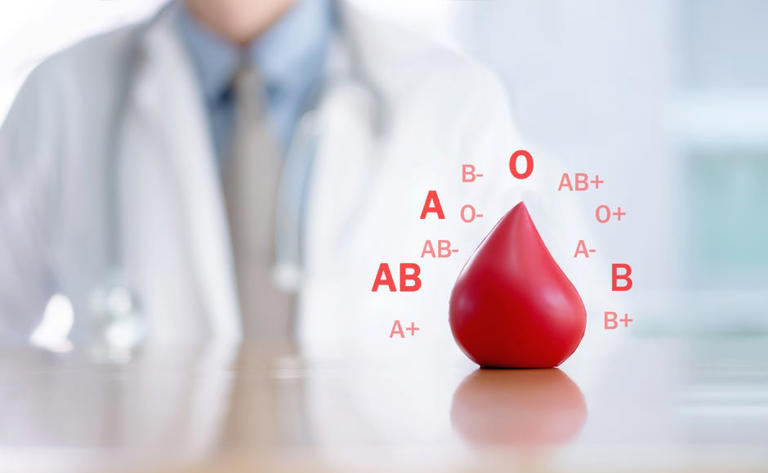
When was the last time you thought about your blood type? For many people, it only comes up during a hospital visit, a blood donation camp, or when filling out medical records. But your blood type is more than just a detail on your health card — it’s a vital piece of information that can save your life in emergencies and may also reveal hidden clues about your overall health, especially your heart.
Surprisingly, research suggests that your blood group can play a role in determining your risk of heart disease, blood clots, and even other conditions like diabetes or cognitive decline. While lifestyle factors such as diet, exercise, and smoking are the biggest influencers of heart health, blood type may tip the scale slightly in one direction or the other.
In this detailed guide, we’ll break down:
-
What your blood type means and how it’s determined
-
Why different blood types exist
-
How your blood group may influence your risk of heart disease and clotting
-
What lifestyle habits matter most for protecting your heart
-
Other health consequences linked to blood type
-
FAQs about blood types and heart health
Let’s dive in.
Understanding Blood Types: The Basics
Your blood type is determined by the ABO system, which is the most common way doctors classify blood. This system revolves around the presence (or absence) of certain proteins called antigens on the surface of red blood cells.
-
Type A → Has A antigens on red blood cells.
-
Type B → Has B antigens.
-
Type AB → Has both A and B antigens.
-
Type O → Has no antigens.
But there’s another factor: the Rhesus (Rh) factor. This refers to whether your blood cells carry a specific protein. If it’s present, you’re Rh-positive. If it’s absent, you’re Rh-negative.
So when you hear someone say their blood type is “O-negative” or “A-positive,” it’s a combination of the ABO group and the Rh factor.
Why this matters in medicine
-
People with O-negative blood are known as universal donors because their blood lacks antigens and can safely be given to anyone in emergencies.
-
People with AB-positive blood are universal recipients, meaning they can receive blood from any group.
Knowing your blood type isn’t just academic — it could save your life or someone else’s.
Why Do Humans Have Different Blood Types?
Scientists still don’t have a complete answer to why blood groups evolved differently, but theories suggest that environmental pressures and infections shaped this diversity.
For example:
-
People with type O blood may be more vulnerable to diseases like cholera.
-
People with type A or B blood may face more clotting-related risks.
In short, blood types may have developed as protective adaptations against infections over centuries. As Dr. Douglas Guggenheim from Penn Medicine explains, it’s almost like our bodies evolved around their environment to defend us better.
Blood Type and Heart Health: What the Research Says
Now let’s talk about the heart of the matter (pun intended) — how your blood group could be tied to heart disease.
According to studies reviewed by the American Heart Association (AHA):
-
People with type A, B, or AB blood have a slightly higher risk of:
-
Heart attack
-
Heart failure
-
Blood clotting problems (like deep vein thrombosis or pulmonary embolism)
-
-
People with type O blood generally have a lower risk of cardiovascular events, but may be more prone to bleeding disorders.
How much higher is the risk?
-
Types A or B blood → 8% higher chance of heart attack.
-
Types A or B blood → 10% increased risk of heart failure.
-
Types A and B combined → 51% more likely to develop deep vein thrombosis.
-
Types A and B combined → 47% more likely to suffer pulmonary embolism.
While these percentages may sound worrying, experts emphasize that the absolute increase in risk is relatively small. Lifestyle, family history, and medical conditions still play much bigger roles.
Why Does Blood Type Influence Heart Disease?
The exact reasons aren’t fully understood, but researchers believe it comes down to proteins and inflammation.
-
People with A and B antigens may have thicker or stickier blood, which can increase clotting risk.
-
Higher inflammation levels in non-O groups may contribute to arterial blockages.
-
Type O blood seems to have natural clotting advantages, but this comes at the cost of greater bleeding risks.
Interestingly, the same logic may explain why some studies found people with type O blood had a lower risk of severe COVID-19, since clotting and inflammation play major roles in disease severity.
Other Health Implications of Blood Type
Your blood type doesn’t just influence heart disease. Research has uncovered links between blood type and other conditions:
-
Type O → Lower risk of clotting and heart disease, but higher risk of bleeding complications (especially postpartum hemorrhage or after traumatic injuries).
-
Type AB → May be at higher risk for cognitive decline and memory issues.
-
Type A or B → May face a slightly higher risk of type 2 diabetes and stroke.
Again, these are risk associations, not guarantees. Having type A blood doesn’t mean you’re destined to have heart disease — it just means you may need to be extra mindful of prevention.
Should You Change Your Lifestyle Based on Blood Type?
Here’s the most important part: you don’t need a “blood type diet” or special workout routine just because of your blood group.
Dr. Guggenheim emphasizes that while blood type plays a small role, heart health is mostly determined by lifestyle factors like:
-
Diet → Eat more fruits, vegetables, whole grains, lean proteins, and healthy fats. Minimize processed foods, excess sugar, and trans fats.
-
Exercise → Aim for at least 150 minutes of moderate physical activity (like brisk walking) or 75 minutes of intense activity (like running) per week.
-
Avoid Smoking → Smoking significantly increases heart disease risk, regardless of blood type.
-
Manage Stress → Chronic stress leads to inflammation and high blood pressure.
-
Get Regular Checkups → Blood pressure, cholesterol, and blood sugar tests can detect issues early.
So while your blood type may give you a slight advantage or disadvantage, your daily habits matter far more.
Blood Type, Aspirin, and the Future of Personalized Medicine
Some researchers suggest that in the future, doctors may tailor treatments based on blood type. For example:
-
A person with type A blood and high cholesterol may benefit more from daily low-dose aspirin to prevent clots.
-
Someone with type O blood may not need aspirin unless they have other major risk factors.
We’re not there yet, but as science progresses, your blood group may one day help doctors customize prevention strategies more precisely.
Key Takeaways
-
Your blood type is more than a medical label — it can influence your risk of heart disease and other health issues.
-
People with type O blood generally have a lower risk of heart attack and clotting but face higher bleeding risks.
-
People with type A, B, or AB blood may be slightly more prone to heart disease and clotting conditions.
-
Lifestyle choices — healthy eating, exercise, stress management, and avoiding smoking — remain the most powerful tools for protecting your heart, no matter your blood type.
FAQs About Blood Type and Heart Health
1. How do I find out my blood type?
You can learn your blood type through a simple blood test at a clinic, during blood donation, or by checking past medical records if available.
2. Does having type O blood mean I’m safe from heart disease?
No. While type O blood may slightly reduce risk, lifestyle factors such as poor diet, lack of exercise, or smoking still increase heart disease risk dramatically.
3. Can my blood type change during my lifetime?
No. Your blood type is genetic and stays the same throughout life.
4. Is there a “blood type diet” that works?
The idea of eating specific foods based on blood type became popular years ago, but scientific evidence doesn’t support it. A balanced, heart-healthy diet works best for everyone.
5. Should people with type A or B blood take extra precautions?
Yes, but not extreme ones. Following standard heart-health recommendations — eating well, exercising, avoiding smoking — is enough. Doctors may consider additional preventive measures (like aspirin) depending on individual risk factors.
6. Does blood type affect pregnancy?
Yes, especially the Rh factor. If a mother is Rh-negative and the baby is Rh-positive, doctors take special measures to prevent complications.
7. Which blood type is the rarest?
AB-negative is the rarest, while O-positive is the most common worldwide.
✅ Final Word: Knowing your blood type is important, not only for emergencies but also for understanding your health risks. While your blood type may tilt the odds slightly, the power to protect your heart is still firmly in your hands through diet, exercise, and lifestyle.