
The myth that a high-protein diet requires a steady stream of chicken breast and steak is officially busted. Whether you’re fully plant-based, flexitarian, or simply looking to diversify your protein sources, a world of delicious and satisfying options awaits.
Protein is essential for building muscle, keeping you full and energized, and supporting overall health. The fantastic news is that you can meet your needs with a vibrant array of foods that are as flavorful as they are nutritious. Here are 15 powerhouse, high-protein foods that will keep you strong and satisfied, no meat required.
The Protein Powerhouses: 15 Meat-Free Champions
1. Greek Yogurt
-
Protein Power: ~15-20 grams per cup
-
The Scoop: Straining removes whey, concentrating the protein and creating a thicker, creamier texture than regular yogurt. It’s a versatile base for breakfasts, dips, and smoothies.
-
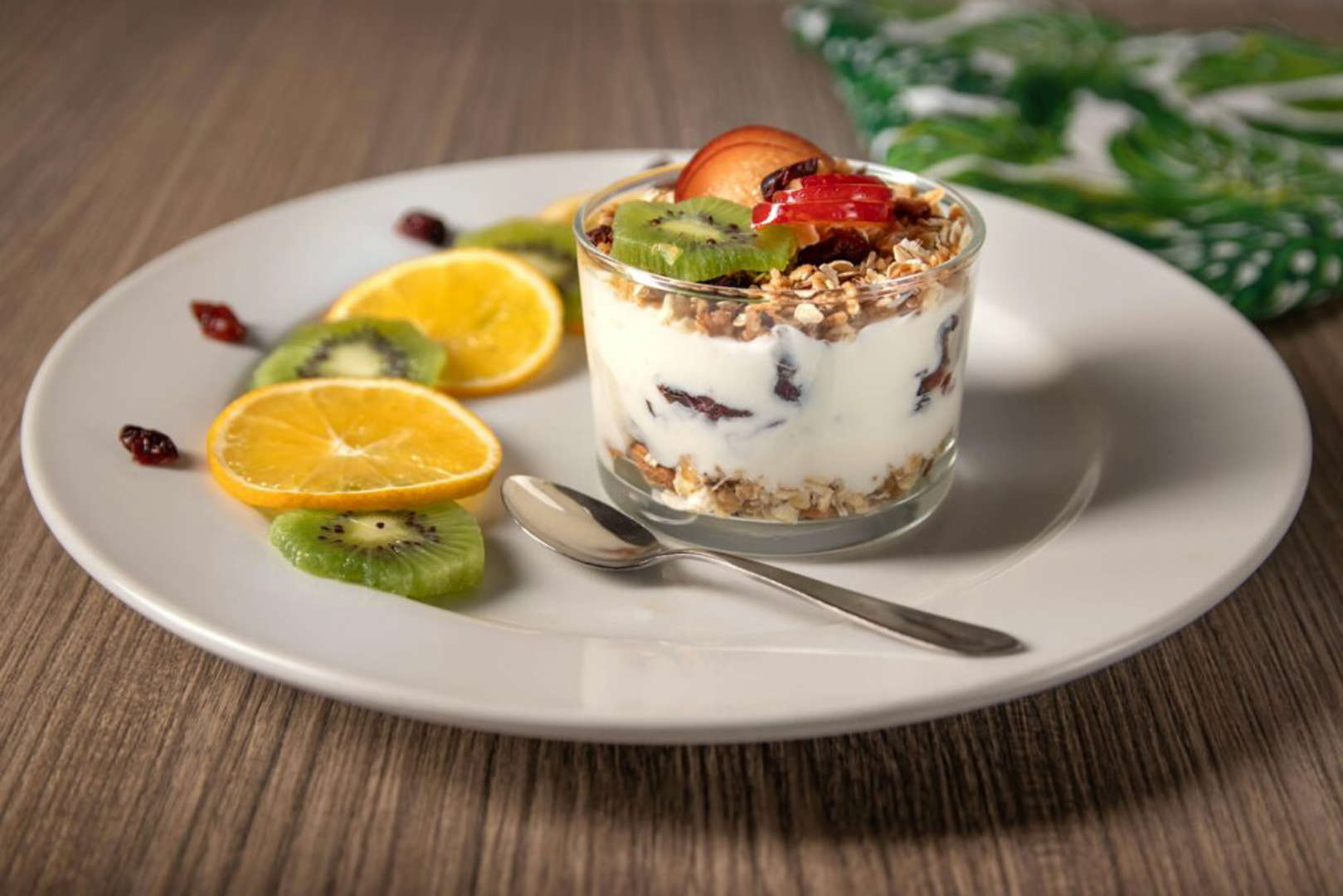
Enjoy It: Layer it with berries and granola, mix with herbs for a savory dip, or use it to add creaminess and protein to pancake batter.
2. Lentils
-
Protein Power: ~18 grams per cooked cup
-
The Scoop: A nutritional superstar, lentils are packed with both protein and fiber, making them incredibly filling. They come in various colors (brown, green, red) and cook quickly without pre-soaking.
-
Enjoy It: Simmer into hearty soups and stews, season for a taco filling, or toss into salads for a protein boost.
3. Cottage Cheese
-
Protein Power: ~25 grams per cup
-
The Scoop: A longtime favorite of athletes, cottage cheese is one of the highest-protein dairy options available. It’s rich in casein, a slow-digesting protein ideal for keeping you full for hours.
-
Enjoy It: Enjoy it classic-style with fruit and a dash of cinnamon, or go savory with cracked black pepper, cherry tomatoes, and fresh basil.
4. Chickpeas (Garbanzo Beans)
-
Protein Power: ~15 grams per cooked cup
-
The Scoop: Beloved for their nutty flavor and versatile texture, chickpeas are a cornerstone of plant-based eating. They’re also an excellent source of fiber and complex carbohydrates.
-
Enjoy It: Blend into hummus, roast with spices for a crunchy snack, or add to curries, grain bowls, and wraps.
5. Quinoa
-
Protein Power: ~8 grams per cooked cup
-
The Scoop: Unlike most plant foods, quinoa is a “complete protein,” meaning it contains all nine essential amino acids your body needs. It’s a gluten-free seed that cooks up like a grain.
-
Enjoy It: Use as a base for power bowls, substitute for rice in stir-fries, or use it to add protein to salads and soups.
6. Eggs
-
Protein Power: ~6-7 grams per large egg
-
The Scoop: A nutritional gold standard, eggs provide high-quality protein along with choline for brain health and lutein for eye health. They are incredibly quick and easy to prepare.
-
Enjoy It: Hard-boil for a ready-to-eat snack, scramble for a quick breakfast, or fry one to top a grain bowl or avocado toast.
7. Tofu (Bean Curd)
-
Protein Power: ~10 grams per ½ cup (firm)
-
The Scoop: Made from condensed soy milk, tofu is a blank canvas that absorbs the flavors of any marinade or sauce. It comes in various textures from silken (for blending) to extra-firm (for frying and grilling).
-
Enjoy It: Crumble and sauté for a “scrambled egg” texture, cube and bake for stir-fries, or blend silken tofu into creamy desserts and sauces.
8. Edamame
-
Protein Power: ~17 grams per cooked cup (shelled)
-
The Scoop: These young, green soybeans are a fun and interactive snack. They are a whole, minimally processed source of soy protein and fiber.
-
Enjoy It: Steam and sprinkle with sea salt for a simple appetizer, or toss shelled edamame into pasta salads, sushi rolls, and fried rice.
9. Tempeh
-
Protein Power: ~15 grams per ½ cup
-
The Scoop: A fermented soy product, tempeh has a firm, chewy texture and a nutty, savory flavor. The fermentation process makes it easier to digest and increases nutrient absorption.
-
Enjoy It: Slice and marinate for grilling, crumble and sauté as a taco “meat,” or cube and add to hearty stews.
10. Peanut Butter
-
Protein Power: ~7-8 grams per 2-tablespoon serving
-
The Scoop: More than just a sandwich spread, natural peanut butter is a delicious source of protein and healthy fats. Look for brands with just two ingredients: peanuts and salt.
-
Enjoy It: Spread on apple slices or celery sticks, swirl into oatmeal, or whisk into a savory satay sauce for noodles.
11. Black Beans
-
Protein Power: ~15 grams per cooked cup
-
The Scoop: A staple in Latin American cuisine, black beans provide a fantastic combination of protein and fiber, supporting stable blood sugar and digestive health.
-
Enjoy It: Mash for bean burgers, add to burritos and quesadillas, or stir into soups and chili.
12. Chia Seeds
-
Protein Power: ~5 grams per 2 tablespoons
-
The Scoop: These tiny seeds are a powerhouse of nutrition. When mixed with liquid, they form a gel, making them perfect for puddings and as an egg substitute in baking.
-
Enjoy It: Make chia seed pudding with plant-based milk, stir into yogurt, or sprinkle over salads and toast for a nutrient boost.
13. Hemp Seeds (Hearts)
-
Protein Power: ~10 grams per 3-tablespoon serving
-
The Scoop: With a mild, nutty flavor, hemp seeds are another rare plant-based complete protein. They are also rich in omega-3 and omega-6 fatty acids.
-
Enjoy It: Sprinkle over avocado toast, blend into smoothies, or mix into salads and grain bowls for a protein crunch.
14. Seitan
-
Protein Power: ~21 grams per 3-ounce serving
-
The Scoop: Made from hydrated wheat gluten, seitan has a remarkably meat-like, chewy texture. It’s extremely high in protein but not suitable for those with celiac disease or a gluten sensitivity.
-
Enjoy It: Slice thinly for sandwiches, cube for “chicken” salads, or marinate and grill as a main course.
15. Nutritional Yeast (“Nooch”)
-
Protein Power: ~8 grams per ¼ cup (2-tablespoon) serving
-
The Scoop: A deactivated yeast with a cheesy, savory, umami flavor. It’s a favorite in vegan cooking for adding depth and a protein boost to dishes, and it’s often fortified with Vitamin B12.
-
Enjoy It: Stir into mashed potatoes, sprinkle on popcorn, whisk into creamy sauces, or use it to make “cheesy” vegan pasta.
Frequently Asked Questions (FAQs)
Q1: Can I really get enough protein without meat?
Absolutely. By eating a varied diet that includes a combination of the foods listed above—such as legumes, whole grains, seeds, and dairy (or fortified plant alternatives)—you can easily meet your daily protein requirements.
Q2: What is a “complete protein” and why does it matter?
A complete protein contains all nine essential amino acids that our bodies cannot produce on their own. While most plant foods are “incomplete” on their own (missing one or two amino acids), eating a variety of them throughout the day (e.g., rice and beans, peanut butter on toast) ensures you get a complete profile. Quinoa, hemp seeds, and soy (tofu, tempeh) are notable complete plant proteins.
Q3: I’m vegan. Are there any special considerations?
Vegans should pay a little more attention to combining complementary proteins (like grains and legumes) to ensure a full amino acid profile. It’s also important to include a reliable source of Vitamin B12, which is naturally found in animal products. Fortified nutritional yeast, plant milks, or a supplement are excellent ways to get B12.
Q4: How can I add more protein to my meals without much effort?
-
Breakfast: Add hemp seeds to your oatmeal or a scoop of nut butter to your smoothie.
-
Lunch: Top your salad with chickpeas or a hard-boiled egg.
-
Dinner: Stir lentils into your pasta sauce or add cubed tofu to your curry.
-
Snacks: Keep Greek yogurt, edamame, or a trail mix with nuts and seeds on hand.
Q5: Are there risks to eating too much protein?
For most healthy people, a higher protein intake is safe. However, consistently consuming extremely high amounts can be taxing on the kidneys in individuals with pre-existing kidney conditions. As with all things, balance and variety within your overall diet are key. If you have specific health concerns, it’s always best to consult with a doctor or registered dietitian.