
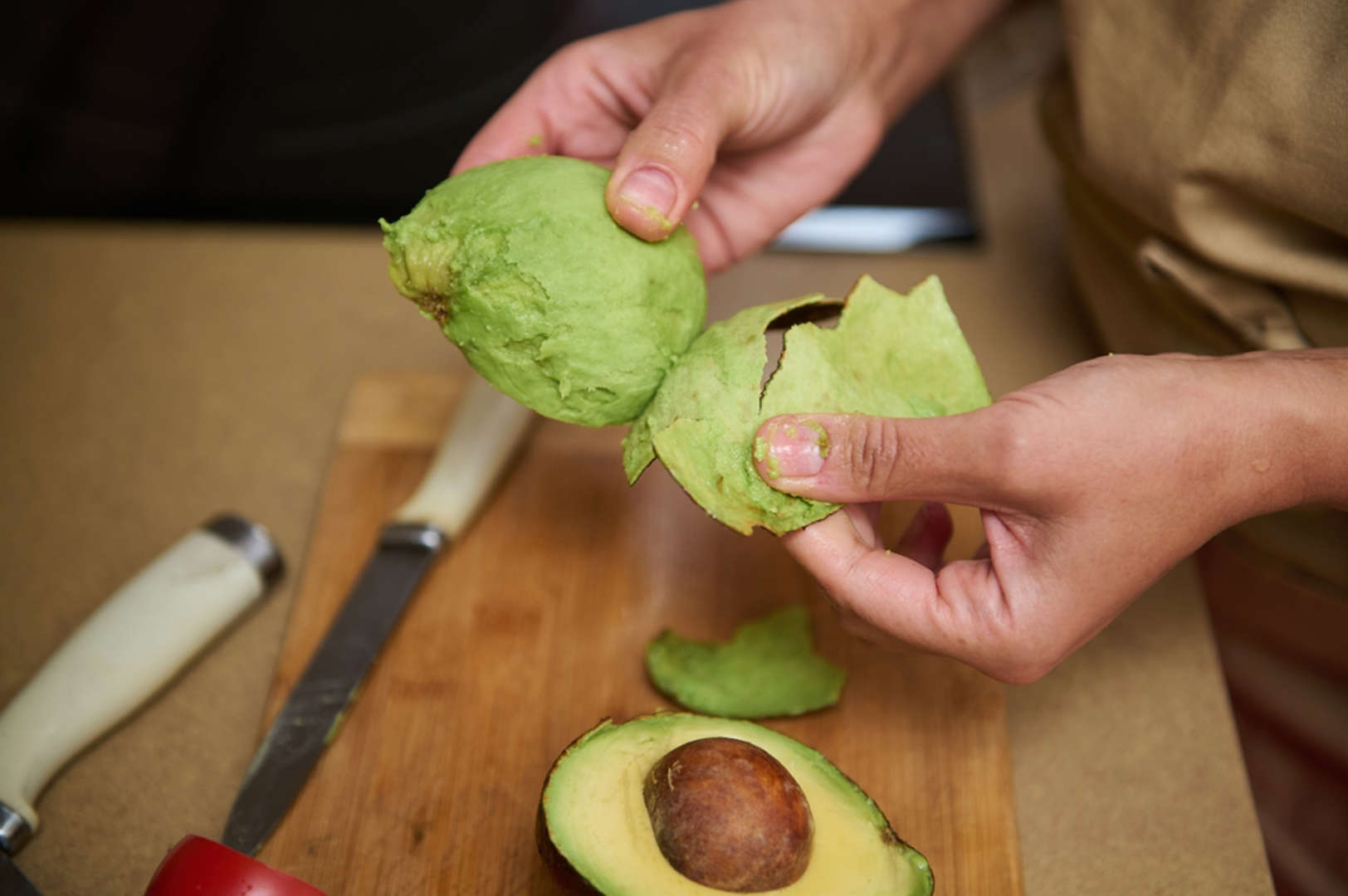
There’s something irresistibly comforting about the first bite of creamy avocado toast on a lazy Sunday morning. The rich texture, the nutty flavor, maybe a sprinkle of salt or chili flakes—it feels like health on a plate. In many American kitchens, avocados have gone from exotic fruit to breakfast staple, thanks to their reputation as a superfood.
But here’s something most people don’t know: that innocent-looking avocado could actually interfere with certain medications—some of which are commonly prescribed in the U.S.
When I first heard this from my pharmacist friend, I laughed it off. How could something as natural and “good for you” as an avocado cause trouble? But after digging deeper, I discovered that for some people—especially those managing heart disease, blood pressure, or even depression—avocados might not always be the friend they appear to be.
So, grab your green smoothie (or maybe not just yet), and let’s unpack the real story behind avocados and medications—because sometimes, even healthy foods can have hidden side effects.
🥑 Why Avocados Are So Popular in America
It’s easy to see why Americans fell in love with avocados. They’re full of healthy monounsaturated fats, fiber, vitamins C, E, K, and B6, and potassium—even more than a banana!
They help lower bad cholesterol, support heart health, and keep you feeling full longer. But like many superfoods, the good can turn problematic when combined with the wrong medications.
This isn’t fearmongering—it’s about being informed. Avocados are powerful foods, and powerful foods can sometimes play rough with powerful drugs.
💊 The Science Behind Food-Drug Interactions
Before diving into the specific medications, let’s understand how food and medicine interact.
When you eat something, your body breaks it down in your stomach and liver. Many drugs go through the same process. Some foods speed up this breakdown, while others slow it down or even block it completely.
In the case of avocados, their high vitamin K content, fatty acids, and certain natural compounds can alter how drugs are absorbed or metabolized in the body.
⚠️ 1. Blood Thinners (Warfarin, Coumadin)
This is perhaps the most critical interaction—and the one most doctors warn about.
Avocados are naturally rich in vitamin K, which plays a major role in blood clotting. That’s usually a good thing—but not if you’re taking warfarin or other anticoagulants.
Why it matters:
Warfarin works by reducing vitamin K’s ability to help your blood clot. When you suddenly increase your intake of vitamin K (like eating lots of avocados), it can counteract the drug’s effect—making your blood more likely to clot.
Real-life story:
My neighbor in Chicago, a retired teacher named Alice, was prescribed warfarin after a minor stroke. She switched to a “heart-healthy diet,” including half an avocado every morning. Within weeks, her INR (a measure of blood thinning) went off balance. Her doctor quickly connected the dots—the avocados were the culprit.
Bottom line:
If you’re on blood thinners, you don’t have to completely cut out avocados, but keep your intake consistent and discuss it with your healthcare provider.
⚡ 2. Blood Pressure Medications (ACE Inhibitors, ARBs, and Diuretics)
Medications like lisinopril, losartan, or spironolactone are commonly prescribed across the U.S. to treat high blood pressure and heart conditions.
Here’s the twist: avocados are packed with potassium—a mineral that helps regulate blood pressure naturally.
But there’s a catch.
These medications already raise potassium levels in the blood. Eating potassium-rich foods like avocados can push your levels too high, leading to hyperkalemia, a potentially dangerous condition that can cause muscle weakness, irregular heartbeat, and even cardiac arrest.
Quick example:
A 52-year-old man in Florida was admitted to the ER for heart palpitations. His potassium levels were off the charts. Turns out, he was taking lisinopril and having avocado smoothies twice a day after his workouts.
What to do:
If you’re on blood pressure meds, you don’t have to banish avocados—but limit them to occasional servings and monitor your potassium levels regularly.
💚 3. Statins (Cholesterol-Lowering Drugs)
Statins—like atorvastatin (Lipitor) and simvastatin (Zocor)—are among the most prescribed drugs in America. They help lower “bad” LDL cholesterol.
Avocados are heart-healthy and can complement statins well, but there’s one small concern: their high-fat content can sometimes interfere with how the liver processes statins, potentially affecting how much of the drug gets absorbed.
It’s not as severe as grapefruit interactions, but if you’re eating large amounts of avocado daily, it might slightly alter the effectiveness of your medication.
Doctor’s tip:
Balance is key. One serving (about one-third of an avocado) per day is safe for most people on statins.
😴 4. Sedatives and Anti-Anxiety Medications (Benzodiazepines)
Here’s one that surprises many. Avocados contain tyramine, a naturally occurring compound that can interact with certain anti-anxiety or sleep medications like diazepam (Valium) and alprazolam (Xanax).
In high amounts, tyramine may alter how your brain responds to these drugs, leading to drowsiness, dizziness, or headaches.
If you’ve ever felt oddly “off” after a bedtime snack that included avocado, this could be why.
🧠 5. Antidepressants (MAO Inhibitors)
While MAOIs (like phenelzine or tranylcypromine) aren’t as commonly used today, some Americans still take them for depression or anxiety. These drugs have strong food restrictions—especially around tyramine-rich foods.
Avocados (especially when overripe) have high tyramine content, which can cause dangerous spikes in blood pressure if combined with MAOIs.
Quick takeaway:
If you’re on older antidepressants, it’s best to skip the avocado entirely or consult your doctor first.
❤️ 6. Certain Heart Medications (Digoxin)
Digoxin is prescribed to manage heart failure and irregular heartbeats. However, because avocados can increase potassium levels, they can affect how digoxin works in your system.
Too much potassium can weaken the medication’s effects or increase side effects like nausea, confusion, or heart rhythm issues.
🦴 7. Osteoporosis Medications (Alendronate, Fosamax)
Although not a major risk, avocados’ fat content may slightly reduce absorption of certain bone medications if eaten too close together.
If you take these medications, follow the standard advice:
Take your pill first thing in the morning with a full glass of water, and wait at least 30–60 minutes before eating anything, avocado included.
🍽️ How to Enjoy Avocados Safely
You don’t have to swear off guacamole forever! The goal is moderation and awareness. Here’s how Americans can still enjoy avocados responsibly:
-
Consult your doctor or pharmacist before making diet changes if you’re on long-term medications.
-
Keep your intake consistent. If you eat avocados daily, don’t suddenly stop or double up—this can confuse your dosage balance.
-
Watch your potassium intake if you’re on heart or blood pressure meds.
-
Avoid overripe avocados if you take antidepressants or sedatives.
-
Space out your meals and medications. Wait at least an hour after taking your pills before eating avocado-based meals.
🧑⚕️ Expert Insight
Dr. Emily Harper, a registered dietitian from California, puts it best:
“Avocados aren’t bad—they’re just misunderstood. The problem isn’t the food itself; it’s the combination. Think of it like mixing two strong personalities—it can either go beautifully or clash terribly.”
She recommends keeping a food diary if you notice side effects like dizziness, fatigue, or irregular heartbeat after meals containing avocado.
🥑 The Final Word: Know Your Body, Know Your Food
Avocados are one of nature’s gifts—delicious, nutritious, and full of benefits. But like all powerful foods, they need to be used wisely, especially if you’re managing a medical condition.
In the U.S., where nearly half of adults take at least one prescription medication, understanding food-drug interactions is more important than ever.
So, next time you’re about to spread that creamy green goodness on toast or blend it into your smoothie, just pause for a moment. Ask yourself: “Is my medication okay with this?”
Sometimes, the healthiest choices come down not to what you eat—but how you pair it with your lifestyle and health needs.