A True Story From Small-Town America
A few years ago, a retired truck driver from Indiana named Mark noticed something strange.
His fingers often felt numb when he gripped the steering wheel. Some mornings, his toes tingled like he’d been standing in snow. He thought it was just age or maybe poor circulation from sitting too long.
But when his daughter insisted he get checked, the doctor ran a full blood panel—and the results were eye-opening.
Mark’s cholesterol levels were dangerously high, and the reduced blood flow to his hands and feet was an early warning sign.
That story could easily be about anyone in the U.S. today. Millions of Americans—especially those over 40—are living with high cholesterol and don’t even know it. Often, the warning signs show up in places we don’t expect: our hands and feet.
Why Cholesterol Matters More Than You Think
Cholesterol itself isn’t bad. Your body needs it to build cells and make hormones.
The problem comes when LDL (low-density lipoprotein)—often called “bad cholesterol”—builds up in your arteries, making it harder for blood to flow freely. Over time, this buildup can lead to atherosclerosis, heart disease, or even stroke.
The tricky part?
High cholesterol doesn’t cause pain, fever, or an obvious rash. It creeps in silently, often showing subtle signs—particularly in the extremities.
Let’s look at what your hands and feet might be trying to tell you.
1. Cold Hands and Feet
If your hands and feet are constantly cold, even when the rest of your body feels fine, it might be due to poor circulation.
When cholesterol plaques narrow your arteries, less warm blood reaches the smaller vessels at the ends of your body.
That’s why some people with high cholesterol notice their hands and feet feel like ice—even in mild weather.
What to do:
Try wiggling your fingers and toes to increase circulation, but don’t ignore it. Persistent coldness deserves a cholesterol check.
2. Numbness or Tingling
A tingling sensation—like pins and needles—can indicate restricted blood flow or nerve damage.
When arteries narrow, oxygen-rich blood has trouble reaching the nerves, particularly in your legs and feet.
Over time, this can feel like a faint buzzing or burning in your extremities.
Some people dismiss it as “just sitting too long,” but recurring tingling is worth investigating.
3. Pain When Walking (Peripheral Artery Disease)
If you feel cramping, pain, or fatigue in your calves, thighs, or feet when walking, you might be dealing with peripheral artery disease (PAD)—a condition linked directly to cholesterol buildup.
PAD happens when narrowed arteries limit blood flow to your limbs. It’s especially common among older adults and smokers.
In the U.S., PAD affects more than 8.5 million people.
It’s one of the earliest outward signs that your cholesterol may be too high.
4. Slow-Healing Sores
A small blister or scrape on your foot that refuses to heal can be more than an inconvenience.
Poor circulation from cholesterol-clogged arteries means your tissues aren’t getting enough oxygen to repair themselves.
Diabetics are especially at risk, but anyone with high cholesterol might notice cuts or sores that take weeks instead of days to heal.
5. Discolored or Shiny Skin
Look closely at the skin on your lower legs and feet. If it appears shiny, waxy, or unusually pale, this can signal that blood flow is limited.
Sometimes, you might even see a bluish tint—a sign that your tissues are struggling to get enough oxygen.
This is often an early clue that your arteries are narrowing.
6. Weak Pulse in the Feet
Doctors often check your dorsalis pedis pulse (on the top of your foot) or posterior tibial pulse (behind your ankle).
If these pulses are faint or missing, it can indicate reduced blood flow—often from high cholesterol.
It’s subtle, but medical professionals are trained to spot it.
7. Swelling in the Ankles or Feet
Fluid buildup (edema) in your lower legs might come from heart issues caused by cholesterol-related blockages.
When your heart can’t pump efficiently, fluid backs up in your veins, leading to puffiness in the feet and ankles—especially at the end of the day.
8. Weakness or Fatigue in the Legs
Do your legs tire quickly after climbing stairs or walking short distances?
This could mean your muscles aren’t getting enough blood—and oxygen—to perform properly.
It’s not always about being “out of shape.” Sometimes, it’s about your arteries struggling to deliver what your muscles need.
9. Leg Hair Loss
Surprisingly, one of the quiet signs of poor circulation is hair loss on your legs or toes.
When blood flow weakens, your hair follicles stop receiving nutrients, causing them to die off. The result? Smooth, shiny legs—not from shaving, but from lack of growth.
10. Toenail Changes
Just like hair, toenails rely on healthy blood flow. When that’s compromised, your toenails can grow slower, become thicker, or even turn yellowish.
If your pedicure lasts unusually long because your nails aren’t growing, it might be time to get your cholesterol checked.
How High Cholesterol Affects the Hands
While feet often show symptoms first, your hands can tell a story too.
You might notice:
-
Numbness in your fingers
-
Difficulty gripping objects
-
Cold fingertips
-
A bluish tint under your nails
These signs can mean your upper arteries—those leading to your arms—are narrowing due to plaque buildup.
The Science Behind It
When cholesterol accumulates, it forms plaques that line your artery walls. Over time, these plaques can:
-
Harden your arteries (atherosclerosis)
-
Reduce blood flow
-
Increase your risk of clots
This reduced blood flow means oxygen and nutrients can’t easily reach the outermost parts of your body—your hands and feet.
Who’s Most at Risk in the U.S.?
While high cholesterol can affect anyone, certain groups are more prone:
-
Adults over 45 (especially men)
-
Postmenopausal women
-
People with a family history of heart disease
-
Those with diabetes or obesity
-
Smokers
-
People with sedentary lifestyles
According to the CDC, about two out of five American adults have high cholesterol—many without realizing it.
Lifestyle Habits That Help Lower Cholesterol
If you’re seeing some of these symptoms, the good news is that it’s not too late.
Many people reverse early cholesterol damage through small but powerful changes.
-
Eat More Fiber – Oats, beans, and vegetables help remove excess cholesterol.
-
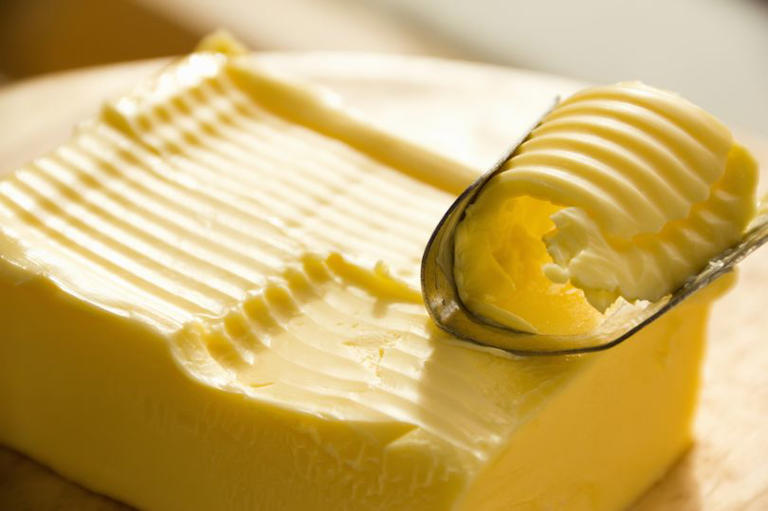
Choose Healthy Fats – Swap butter for olive oil; limit processed snacks.
-
Exercise Regularly – Even a 30-minute walk five times a week can make a huge difference.
-
Quit Smoking – Smoking damages arteries and speeds up plaque buildup.
-
Limit Alcohol – Too much alcohol raises triglycerides.
-
Get Regular Checkups – Your doctor can help monitor and adjust your plan.
Modern Treatments in the U.S.
If lifestyle changes aren’t enough, medications like statins, ezetimibe, or PCSK9 inhibitors can dramatically reduce LDL levels.
Doctors often use blood tests every 6–12 months to track improvement.
Some clinics also offer non-invasive artery screenings, which can detect circulation issues in hands and feet before symptoms worsen.
Mark’s Turnaround Story
Remember Mark—the truck driver from Indiana?
After learning his cholesterol was dangerously high, he changed his eating habits, quit smoking, and started taking short daily walks. Within a year, his cholesterol levels had dropped dramatically.
Even better, the numbness in his hands and feet disappeared.
“I never realized how much my lifestyle was hurting my body,” he said. “Once I made a few small changes, I got my life back.”
Final Thoughts: Listen to What Your Body is Saying
Your body is always giving you clues.
Cold toes, tingling fingers, or slow-healing cuts might not seem like much—but they can reveal the early signs of high cholesterol.
In the U.S., heart disease remains the leading cause of death, but it doesn’t have to be inevitable.
By paying attention to the quiet signals—especially in your hands and feet—you can catch problems early, get tested, and make changes that add decades of health to your life.