In recent years, the world has witnessed a rise in regional wars, geopolitical tensions, proxy conflicts, and military escalations. From Eastern Europe to the Middle East, and from parts of Africa to Asia, armed conflicts have reshaped economies, displaced millions, and created global uncertainty.
When headlines talk about missiles, tanks, and military strategies, the focus is often on governments and armies. But the real story of war is written in the lives of ordinary people—families, workers, students, small business owners, farmers, and children.
This article explores modern war conditions and, more importantly, the impact of war on common people across the world.
Understanding Recent War Conditions
Several major conflicts in recent years have significantly influenced global stability:
-
The war between Russia and Ukraine
-
The conflict between Israel and Gaza Strip
-
Ongoing civil wars in Sudan and Syria
-
Tensions involving China and Taiwan
These conflicts differ in causes and scale, but they share one common outcome: widespread disruption to civilian life.
The Immediate Impact of War on Civilians
1. Loss of Safety and Security


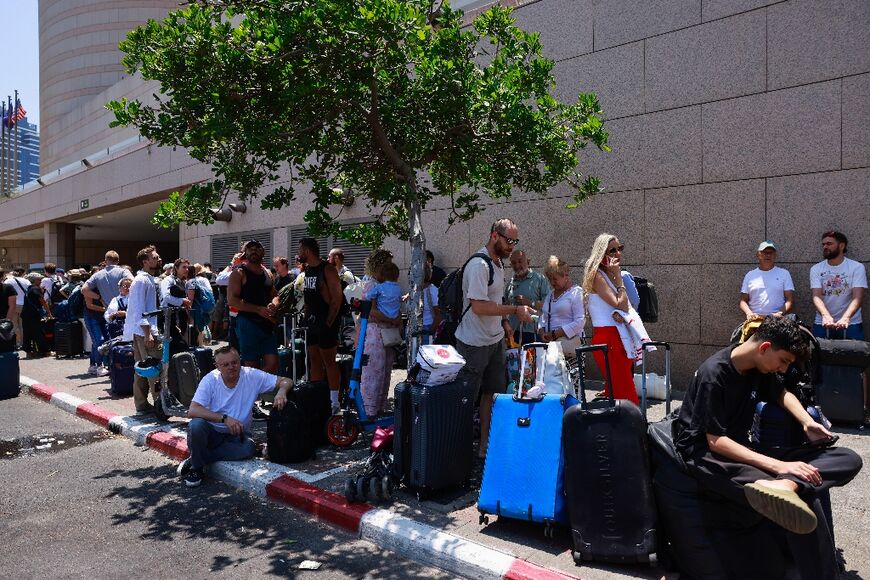
For ordinary people, war begins with fear.
-
Air raid sirens
-
Bomb shelters
-
Night-time explosions
-
Uncertainty about survival
Homes are destroyed. Neighborhoods become battle zones. Schools shut down. Hospitals become overwhelmed.
Children grow up hearing explosions instead of bedtime stories.
2. Displacement and Refugee Crisis


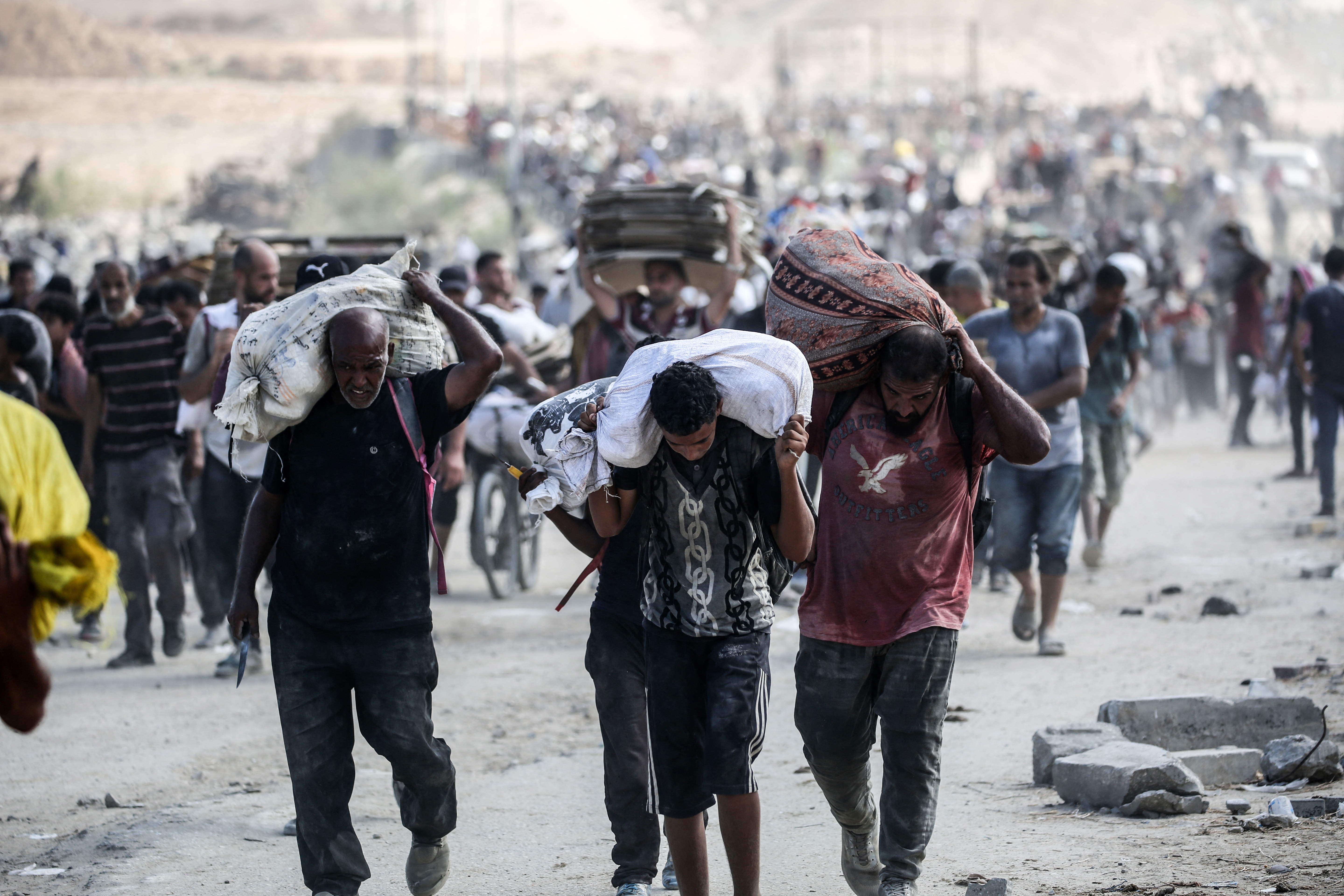
Millions are forced to leave their homes during wars.
In the conflict between Russia and Ukraine, millions of Ukrainians fled to neighboring European countries. Similarly, conflicts in Syria and Sudan have created large refugee populations.
Being a refugee means:
-
Losing your home
-
Leaving your job
-
Living in temporary shelters
-
Facing language and cultural barriers
Refugees often depend on international aid for food, water, and healthcare.
Economic Impact on Common People
War does not stay limited to battlefields. It spreads through economies.
1. Rising Fuel Prices
When the Russia–Ukraine war disrupted oil and gas supplies, global fuel prices surged. Countries dependent on imports faced higher petrol and diesel costs.
Families suddenly had to spend more on transportation and electricity.
2. Inflation and Food Shortages


Ukraine is a major exporter of wheat and grains. When war interrupted exports:
-
Bread prices increased globally.
-
Developing countries faced food shortages.
-
Inflation rose sharply.
Common people felt it in their daily grocery bills.
3. Job Loss and Business Closure
Small businesses suffer during war:
-
Supply chains break.
-
Imports stop.
-
Investors withdraw money.
-
Tourism collapses.
Workers lose jobs. Salaries get delayed. Industries slow down.
Psychological and Emotional Impact
War damages not only buildings but also minds.
1. Trauma and PTSD
People exposed to bombings and violence often experience:
-
Nightmares
-
Anxiety
-
Post-Traumatic Stress Disorder (PTSD)
Children are especially vulnerable.
2. Fear of the Future
Even in countries not directly at war, people fear escalation. News of nuclear threats, military alliances, and global tensions creates anxiety worldwide.
Education Disruption

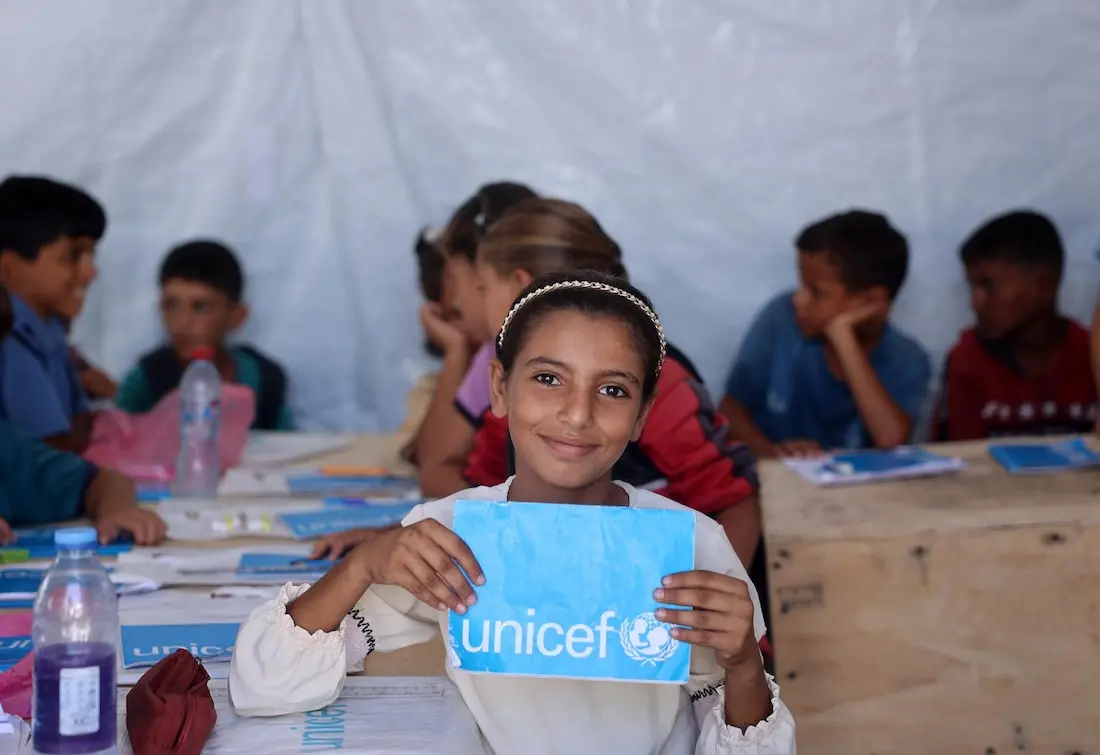

Schools are often destroyed or used for military purposes.
Students face:
-
Interrupted education
-
Lack of internet access
-
Loss of academic years
In long-term conflicts like Syria, an entire generation has grown up with limited schooling.
Education gaps lead to long-term poverty cycles.
Healthcare Crisis During War
Hospitals struggle during conflicts.
-
Shortage of medicines
-
Limited electricity
-
Damaged infrastructure
-
Overcrowded emergency rooms
Chronic patients (diabetes, heart disease, cancer) suffer the most when medical supply chains collapse.
Impact on Women and Children
Women and children are disproportionately affected.
-
Increased risk of exploitation
-
Human trafficking
-
Malnutrition
-
Limited access to healthcare
In refugee camps, women often face unsafe living conditions.
Children lose their sense of normalcy and safety.
Global Ripple Effects
War in one region can impact the entire world.
1. Financial Markets
Stock markets fall due to uncertainty. Investors move money to safe assets like gold.
2. Energy Security
Countries rush to secure oil and gas supplies.
3. Political Polarization
Wars create divisions within societies about foreign policy decisions.
Social Media and Information Warfare
Modern wars are not fought only with weapons.
They are also fought with:
-
Cyberattacks
-
Fake news
-
Propaganda
-
Misinformation
Common people may struggle to identify true information.
Digital stress increases as people constantly follow war updates.
Impact on Developing Countries
Developing nations suffer more from indirect impacts:
-
Higher import costs
-
Currency depreciation
-
Debt pressure
-
Reduced foreign investment
Countries already facing poverty struggle further.
The Role of International Organizations
Organizations like the United Nations and the International Red Cross provide:
-
Humanitarian aid
-
Food assistance
-
Medical support
-
Refugee protection
However, resources are often limited compared to the scale of crises.
Long-Term Consequences of War
War effects continue even after ceasefires.
1. Infrastructure Damage
Rebuilding roads, schools, bridges, and power plants takes years.
2. Economic Recovery Challenges
Debt increases. Governments struggle to restore stability.
3. Social Division
Communities may remain divided for generations.
How Common People Can Prepare
While individuals cannot control wars, they can take steps to reduce vulnerability.
1. Emergency Planning
-
Keep essential supplies.
-
Have backup savings.
-
Maintain emergency contacts.
2. Financial Diversification
-
Avoid keeping all savings in one asset.
-
Invest cautiously during uncertain times.
3. Mental Health Awareness
-
Limit constant exposure to distressing news.
-
Seek counseling when needed.
4. Community Support
Strong communities recover faster. Helping neighbors builds resilience.
Media Responsibility
Media plays a critical role in:
-
Providing accurate information
-
Avoiding panic
-
Highlighting humanitarian issues
Responsible journalism reduces misinformation.
Hope in Difficult Times
History shows that even after devastating wars, societies rebuild.
After World War II, Europe rebuilt economies and created long-lasting peace frameworks. Cooperation often emerges from destruction.
Peace agreements, diplomacy, and negotiations remain essential.
The Human Side of War
When we talk about war, numbers often dominate:
-
Casualties
-
Military budgets
-
Economic losses
But behind every number is a human story:
-
A child who lost a parent
-
A shopkeeper whose store was destroyed
-
A student who paused education
-
A family separated across borders
The true cost of war is measured in broken dreams and disrupted lives.
Conclusion: War’s Greatest Burden Falls on Ordinary People
Modern wars are complex, involving geopolitics, economics, and military alliances. But the heaviest burden is carried by common people.
They face:
-
Loss of security
-
Rising costs
-
Displacement
-
Emotional trauma
-
Uncertain futures
War reminds us of the fragility of peace.
While governments negotiate and armies mobilize, ordinary people continue their daily struggle—to stay safe, feed their families, educate their children, and hope for stability.
In the end, peace is not just a political goal. It is a human necessity.
And the voices of common people—those most affected—must remain at the center of any discussion about war and its consequences.