I still remember sitting in a crowded café in Portland, Oregon, chatting with my friend Jenna — a long-time vegan and yoga instructor who practically glowed with good health. I asked her, “What’s your secret?”
She laughed and said, “Magnesium.”
At first, I thought she was joking. But as she went on, it made sense. Magnesium — often called the relaxation mineral — plays a vital role in over 300 body functions: from muscle recovery and heart rhythm to mental calm and energy levels. And yet, nearly half of Americans don’t get enough of it, especially those eating plant-based diets.
Why? Because our modern food system often strips magnesium from the soil — and processed vegan alternatives sometimes lack the nutrient density of whole foods.
If you’re vegan (or mostly plant-based) in the U.S., you might be unknowingly running low on this essential mineral. The signs can sneak up on you — fatigue, irritability, muscle cramps, even anxiety.
But don’t worry. In this guide, we’ll explore 10 vegan-friendly foods that are naturally high in magnesium, along with stories, science, and a few kitchen tips to help you add them effortlessly into your life.
Let’s dive in — your body and mind will thank you.
1. Spinach — The Green Powerhouse of Magnesium
When I visited my cousin Emily in Austin, Texas, she served a simple breakfast smoothie — spinach, banana, and almond milk. I could taste the freshness, but what I didn’t realize then was that one cup of cooked spinach provides about 157 mg of magnesium, roughly 40% of the daily recommended intake.
Spinach is one of the richest plant-based sources of magnesium, and it’s incredibly versatile. Toss it into pasta, blend it into smoothies, or sauté it with olive oil and garlic.
Pro Tip: Cooking spinach actually helps your body absorb more magnesium because it reduces oxalic acid — a compound that can block mineral absorption.
2. Almonds — The Crunchy Snack That Fuels Your Day
Almonds aren’t just a healthy snack; they’re practically magnesium capsules in disguise. A one-ounce handful (about 23 almonds) gives you 76 mg of magnesium — that’s 20% of your daily needs.
In California’s Central Valley, where most U.S. almonds are grown, farmers often refer to them as “nature’s protein bar.” They provide the perfect trio of healthy fats, plant protein, and minerals.
Keep a small jar of raw almonds in your car or bag — they’re the ideal grab-and-go energy booster, especially during those long workdays or gym sessions.
Pro Tip: Go for unsalted almonds to avoid excess sodium, which can counteract magnesium’s relaxing effect on blood vessels.
3. Avocados — The Creamy Green Superfruit
Avocados have become a staple in every American kitchen, and for good reason. Besides being rich in heart-healthy fats and potassium, one medium avocado contains about 58 mg of magnesium.
When I was visiting San Diego, a vegan café owner told me, “Avocado toast isn’t just trendy — it’s medicinal.” Turns out, magnesium helps regulate cortisol (the stress hormone), and combining it with healthy fats makes absorption even smoother.
Add avocado to smoothies, salads, or even desserts (yes, avocado chocolate mousse is a thing).
Pro Tip: Magnesium works hand in hand with calcium and vitamin D, so pairing avocado with fortified plant milk or leafy greens makes a nutrient dream team.
4. Black Beans — The Underrated Hero of Plant Protein
Americans love tacos, burritos, and chili — and black beans fit perfectly into all three. One cup of cooked black beans offers 120 mg of magnesium, along with fiber, iron, and protein.
When I met a retired chef in Santa Fe, he told me that black beans were his “longevity food.” He’d eat them three times a week, saying, “They keep my blood sugar stable, my digestion happy, and my muscles strong.”
Pro Tip: To maximize magnesium, soak dry beans overnight and cook them from scratch — canned beans can contain added sodium and preservatives that may interfere with nutrient absorption.
5. Dark Chocolate — The Sweet Way to Stay Calm
Yes, dessert lovers, rejoice! Dark chocolate is one of the richest sources of magnesium — just one ounce of 70–85% dark chocolate contains around 65 mg.
In fact, chocolate cravings are sometimes your body’s way of signaling a magnesium deficiency.
I once met a nutritionist in Seattle who swore by a daily square of dark chocolate before bed. “It’s like edible meditation,” she said. The magnesium relaxes your muscles, while the antioxidants improve blood flow and brain function.
Pro Tip: Choose chocolate that lists cocoa mass or cacao nibs as the first ingredient — not sugar.
6. Pumpkin Seeds — The Tiny Seeds with a Big Punch
Pumpkin seeds, or “pepitas,” are nutritional gold. One ounce provides 168 mg of magnesium — more than any other seed or nut.
In the Midwest, I met a vegan triathlete who sprinkled roasted pumpkin seeds on everything — from oatmeal to salads. “They’re my natural energy supplement,” he said. Magnesium supports muscle function and reduces post-workout cramps, making it a favorite among athletes.
Pro Tip: Choose unsalted, raw seeds for maximum nutrients. Toasting lightly brings out the flavor without destroying minerals.
7. Tofu — The Vegan Protein Packed with Minerals
Tofu often gets labeled as “just a protein source,” but it’s also rich in magnesium. Half a cup of firm tofu can provide 35–45 mg of magnesium, depending on how it’s prepared.
In Chicago, a vegan chef once told me that tofu “absorbs personality.” It takes on the flavor of whatever it’s cooked with — soy sauce, garlic, or even maple glaze — while quietly delivering vital nutrients.
Magnesium in tofu helps regulate nerve and muscle function, and when paired with calcium-set tofu, it doubles the bone-strengthening benefits.
Pro Tip: Try marinating tofu in lemon juice, olive oil, and herbs before baking — a delicious, nutrient-dense dinner option.
8. Bananas — The On-the-Go Stress Reliever
Bananas are famous for potassium, but they’re also a decent source of magnesium, offering 37 mg per medium fruit.
When I traveled across New York City for work, I noticed that many professionals grabbed bananas with their morning coffee. They’re portable, energizing, and gentle on the stomach. Magnesium in bananas works synergistically with potassium to regulate heart rhythm and reduce muscle tension — a lifesaver after stressful commutes or gym workouts.
Pro Tip: Slightly riper bananas (with small brown spots) contain more antioxidants and are easier to digest.
9. Oats — The Breakfast Staple That Grounds You
If there’s one breakfast food most Americans can agree on, it’s oats. One cup of cooked oats provides 63 mg of magnesium, plus beta-glucan fiber that supports heart health.
During my visit to Vermont, I stayed with a family who owned a small maple syrup farm. Each morning, they made oatmeal with almond butter, chia seeds, and fresh fruit — a magnesium-packed combo that fueled them through long days outdoors.
Pro Tip: Skip the instant packets (which often have added sugars) and go for rolled or steel-cut oats instead. Add cinnamon or berries for flavor and antioxidants.
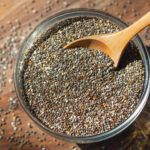
10. Chia Seeds — The Tiny Nutrient Bomb
Don’t underestimate these tiny specks. Two tablespoons of chia seeds contain 95 mg of magnesium, plus fiber, omega-3s, and calcium.
When soaked overnight in almond milk, they form a pudding-like texture that’s both delicious and filling. I tried it once at a small vegan café in Denver, and the chef said, “Chia pudding is like breakfast and therapy rolled into one.”
Magnesium helps calm your nervous system, and the fiber in chia seeds keeps blood sugar stable — the perfect recipe for balanced energy.
Pro Tip: Stir chia seeds into smoothies, oatmeal, or even pancake batter. Just let them sit for a few minutes to thicken.
The Bigger Picture: Why Magnesium Matters More Than Ever
In the U.S., chronic stress, processed food, and soil depletion make magnesium deficiency surprisingly common. Studies suggest that nearly 50% of Americans fall short of daily magnesium needs (around 400 mg for men and 320 mg for women).
Deficiency symptoms can include:
-
Muscle cramps or twitching
-
Insomnia or restlessness
-
Low energy or brain fog
-
Irregular heartbeat
-
Anxiety or irritability
Magnesium supports nerve health, helps regulate blood sugar, and even improves sleep quality. It’s like the body’s “reset button.”
And for vegans, it’s doubly important — plant-based diets often exclude fortified dairy or fish sources, making magnesium-rich whole foods a must.
How to Get Enough Magnesium Every Day
Building magnesium into your diet doesn’t have to be complicated. Here’s a simple one-day vegan meal plan to hit your target:
-
Breakfast: Oatmeal topped with almond butter, banana slices, and chia seeds (200 mg)
-
Lunch: Spinach and black bean salad with avocado and pumpkin seeds (250 mg)
-
Snack: A handful of almonds and a square of dark chocolate (120 mg)
-
Dinner: Tofu stir-fry with broccoli and brown rice (180 mg)
Total: ~750 mg of magnesium — well above your daily requirement, entirely from plant foods!
Final Thoughts
When my friend Jenna told me that magnesium was her “secret,” she wasn’t exaggerating. Since then, I’ve added more spinach, chia seeds, and dark chocolate to my routine — and the difference has been real. My sleep improved, my stress felt lighter, and my body felt more grounded.
For anyone in the U.S. trying to live a healthier, calmer life — especially on a vegan or plant-based diet — magnesium isn’t just another nutrient. It’s a lifeline for balance, energy, and peace of mind.
So next time you’re grocery shopping, toss a few of these foods into your cart. Your muscles, heart, and mind will thank you.