
The Vitamin D Wake-Up Call
It was a bright winter morning in Boston when Jennifer, a 42-year-old office worker, got the results of her annual blood test. She’d been feeling sluggish, her mood had dipped, and she couldn’t shake the sense that something was just off. Her doctor smiled gently and said, “Your Vitamin D levels are low — really low.”
Like many Americans, Jennifer thought she was covered. After all, she ate salmon twice a week, walked her dog every morning, and drank her fair share of milk. What she didn’t realize was that the so-called “sunshine vitamin” isn’t always easy to get — especially in the colder months when the sun barely peeks through.
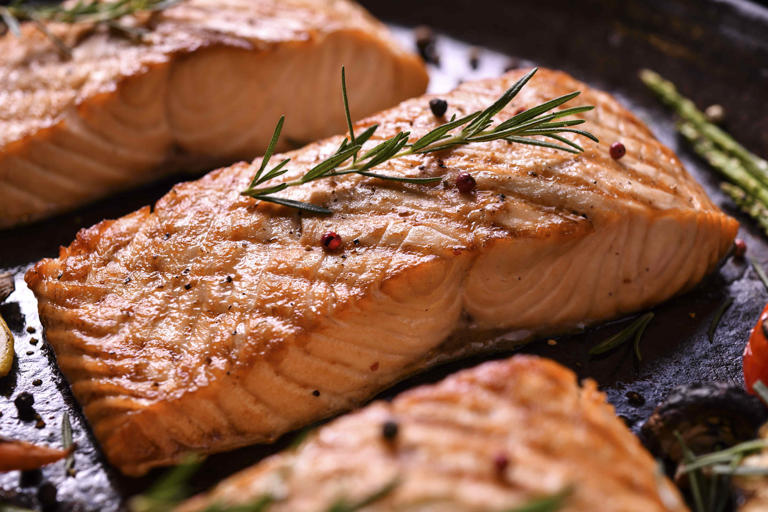
Here’s the real kicker: salmon, though famous for its Vitamin D content, isn’t the top source out there. In fact, there are several lesser-known foods that quietly outshine salmon in the Vitamin D department — and most people don’t even know they exist.
So, let’s pull back the curtain. From humble mushrooms to surprising snacks, here are 5 foods with more Vitamin D than salmon — and how they can help you keep your energy, bones, and mood strong all year long.
1. Cod Liver Oil — The Forgotten Superfood of Our Grandparents
If your grandmother ever handed you a spoonful of something that smelled like the ocean and made you wince, chances are it was cod liver oil.
Back in the day, it was the original immune booster — long before “wellness shots” and “superfood smoothies” were a thing. And here’s the reason it stuck around: cod liver oil is one of the most potent natural sources of Vitamin D on the planet.
Just one tablespoon can deliver more than double the daily recommended intake. That’s several times more than you’d get from a serving of salmon.
But cod liver oil isn’t just about Vitamin D — it’s a nutrient cocktail, packed with omega-3 fatty acids and Vitamin A, both essential for brain and heart health.
How to use it today:
If you can’t stomach the classic liquid version, try soft-gel capsules. Some modern brands even flavor it with lemon or mint, making it easier to swallow.
Pro tip: Take it with breakfast to help your body absorb the fat-soluble vitamins more effectively.
2. UV-Exposed Mushrooms — The Plant-Based Powerhouse
Imagine a food that grows quietly in the dark, yet becomes a Vitamin D powerhouse when it’s touched by sunlight.
That’s the magic of mushrooms. Specifically, UV-exposed mushrooms — varieties that have been intentionally exposed to ultraviolet light — can contain more Vitamin D than salmon per serving.
When mushrooms soak up UV light, they naturally convert it into Vitamin D2 (ergocalciferol), much like our skin produces Vitamin D3 from sunlight.
Some mushroom types — like maitake, portobello, or morel — can pack a serious punch of Vitamin D when grown under UV exposure.
How to use it today:
-
Slice UV-exposed mushrooms into your morning omelet.
-
Roast them with olive oil and garlic as a savory side.
-
Add them to soups or grain bowls for an earthy, nutrient-rich kick.
Pro tip: Look for packaging that says “UV-treated” or “Vitamin D enhanced.” Regular mushrooms grown indoors without light exposure won’t have the same benefits.
3. Fortified Plant-Based Milks — A Modern Day Hero
For decades, cow’s milk was America’s go-to source of Vitamin D. But with the rise of plant-based diets and lactose intolerance, almond, soy, and oat milk have stepped up to the plate — and some of them actually contain more Vitamin D than traditional salmon.
Fortified plant-based milks are boosted with nutrients during production, and many brands now add both Vitamin D and calcium to match or surpass dairy milk.
In fact, one cup of fortified soy or almond milk can offer up to 150 IU more Vitamin D than a 3-ounce serving of salmon.
Why it matters:
For vegans or people who don’t like fish, these milks are a convenient and delicious way to meet daily Vitamin D needs — no fishy taste required.
How to use it today:
-
Pour it over cereal or oatmeal.
-
Blend it into smoothies.
-
Use it in baking or as a coffee creamer.
Pro tip: Always shake the carton — the fortified nutrients can settle at the bottom.
4. Canned Tuna and Sardines — The Budget-Friendly Boosters
You don’t have to spend big on wild-caught salmon to get your Vitamin D fix. Some of the most accessible, affordable options sit quietly in your pantry: canned tuna and sardines.
These shelf-stable seafood stars offer up to 30% more Vitamin D than fresh salmon — depending on the variety and brand. Plus, they’re rich in protein, healthy fats, and calcium (especially if you eat the bones in sardines).
Why Americans love them:
They’re cheap, easy to store, and can turn any boring lunch into a powerhouse meal.
How to use it today:
-
Mix canned tuna with avocado instead of mayo for a healthy sandwich.
-
Add sardines to whole-grain toast with a squeeze of lemon and cracked pepper.
-
Toss either into a quick pasta with garlic and olive oil for a 10-minute dinner.
Pro tip: Choose tuna packed in water if you’re watching calories, or in olive oil for a richer flavor and better fat absorption.
5. Egg Yolks — The Everyday Underdog
Here’s one that might surprise you: Egg yolks contain more Vitamin D than salmon per ounce.
While salmon gets all the nutritional glory, egg yolks quietly deliver an impressive hit of Vitamin D — especially when they come from pasture-raised chickens.
Why pasture-raised? Because hens that roam freely and get sunlight produce eggs with significantly higher Vitamin D levels than factory-farmed ones.
How to use it today:
-
Have a couple of eggs sunny-side up in the morning.
-
Slice hard-boiled eggs into salads.
-
Make an egg-and-veggie burrito for an energizing lunch.
Pro tip: Don’t throw away the yolk! That’s where the Vitamin D, healthy fats, and essential nutrients live.
The Bigger Picture: Why Vitamin D Matters More Than You Think
Let’s zoom out for a second. Vitamin D isn’t just about bones and calcium — it’s foundational for whole-body health.
Here’s what it does:
-
Supports strong bones by helping the body absorb calcium.
-
Boosts immunity, helping fight off infections and viruses.
-
Enhances mood and may reduce symptoms of depression.
-
Aids muscle recovery and physical performance.
The problem? According to studies, nearly 40% of American adults have insufficient Vitamin D levels — especially in northern states, during winter, or among people who work indoors.
So even if you’re eating salmon and sipping milk, there’s a good chance you’re not getting quite enough.
Signs You Might Be Low on Vitamin D
-
You feel tired or sluggish often
-
You catch colds more than usual
-
You have joint or muscle aches
-
Your mood dips in winter months
-
Your hair or nails feel weaker than normal
If any of that sounds familiar, your Vitamin D tank might be running low — and it’s worth getting checked during your next physical.
Sunshine vs. Food: Finding the Balance
The body’s best source of Vitamin D is still the sun. When UVB rays hit your skin, they trigger Vitamin D3 production — the most active form your body can use.
But between sunscreen (which we absolutely should use), cloudy weather, and long indoor hours, sunlight alone isn’t enough for most Americans — especially during winter in northern states like Michigan, New York, or Minnesota.
That’s where food (and sometimes supplements) come in to fill the gap.
How Much Vitamin D Do You Actually Need?
For most adults in the U.S.:
-
600–800 IU daily is recommended.
-
1,000–2,000 IU daily may be beneficial for those with low sunlight exposure or darker skin tones.
However, your body’s needs vary based on age, lifestyle, and medical conditions. Always check with your doctor before adding high-dose supplements.
Putting It All Together: A Sample Day of Vitamin D-Rich Meals
Here’s what a day of eating could look like if you want to pack in more Vitamin D — no salmon required:
-
Two pasture-raised eggs, sunny-side up
-
Whole grain toast
-
A glass of fortified soy milk
Lunch:
-
Tuna salad sandwich with spinach and avocado
-
UV-exposed mushroom soup
Snack:
-
Handful of almonds and a small yogurt cup
Dinner:
-
Roasted chicken with mushrooms
-
Steamed vegetables
-
A spoonful of cod liver oil before bed
Boom. You’ve easily hit your daily Vitamin D goal — no salmon necessary.
Why These Foods Are Game-Changers for Americans
The modern U.S. diet has drifted far from nutrient-dense traditions. Fast food, processed snacks, and long office hours have created a perfect storm for Vitamin D deficiency.
By adding just a few of these foods into your week — cod liver oil, UV mushrooms, fortified milks, tuna, and eggs — you can make a measurable difference in your mood, immunity, and long-term health.
Think of it like insurance for your bones, brain, and body.
Conclusion: Rethinking the “Salmon Standard”
Salmon will always have a place on your plate — it’s delicious, heart-healthy, and packed with nutrients. But it doesn’t have to be your only Vitamin D source.
From the humble egg to a bottle of fortified oat milk, the real heroes of Vitamin D are hiding in plain sight — affordable, accessible, and often already in your kitchen.
So the next time someone tells you to “eat more salmon for Vitamin D,” you can smile and say, “Actually, I’ve got a few better options.”
Because being healthy isn’t about chasing trends — it’s about knowing the quiet, powerful foods that keep your body running strong, even on cloudy days.
Frequently Asked Questions (FAQs)
Q1: Can I get enough Vitamin D from food alone?
It’s possible, but challenging. Most people need a mix of food, sunlight, and possibly supplements — especially in winter months.
Q2: Is Vitamin D2 from plants as good as D3 from animal sources?
D3 (from fish, eggs, and fortified foods) is generally more bioavailable, but both forms help increase your levels effectively.
Q3: Are fortified foods safe to eat daily?
Yes — as long as you’re not overdoing it with multiple fortified products. Stick within the daily recommended intake.
Q4: What happens if I take too much Vitamin D?
Excess Vitamin D can cause calcium buildup in the blood, leading to fatigue or kidney issues. Always follow dosage guidelines.
Q5: How long does it take to raise low Vitamin D levels?
With consistent diet and/or supplementation, most people see improvements within 2–3 months.
Final Thought:
You don’t need to live on salmon or chase sunshine to stay healthy. The power of Vitamin D lies in everyday choices — the humble foods you enjoy, the habits you build, and the awareness that sometimes, the simplest foods can make the biggest difference.