
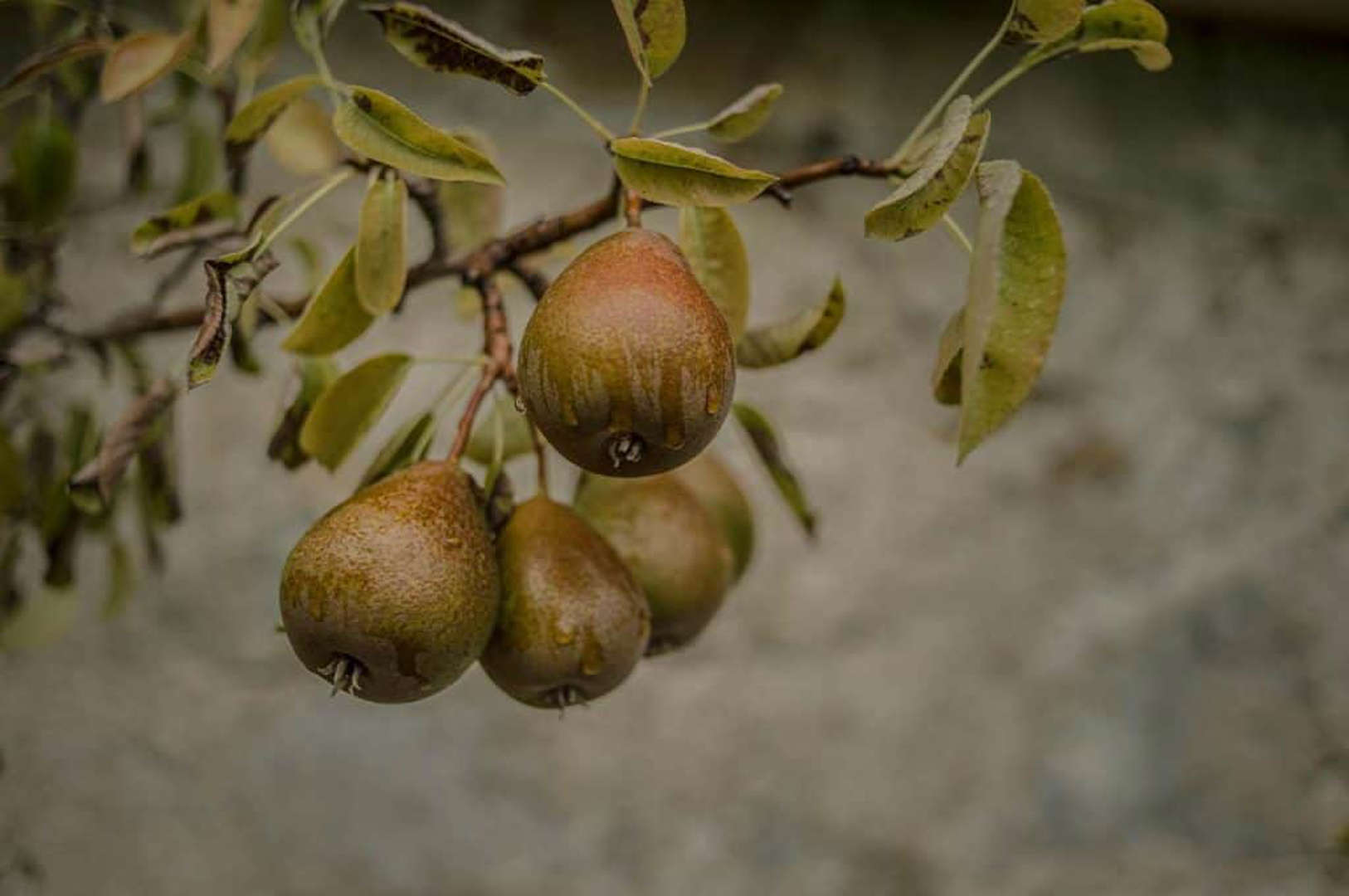
The Forgotten Fruit on the Kitchen Counter
Let’s be honest — when most Americans think of fruit, pears don’t usually make the top of the list.
We grab bananas for breakfast, apples for lunchboxes, and berries for smoothies. Meanwhile, the humble pear quietly waits in the fruit bowl, ripening to perfection — and often being overlooked until it’s too late.
But here’s the truth: pears are one of the most underrated superfoods in America. Behind that soft green or golden skin hides a powerhouse of fiber, antioxidants, and hydration — and a taste that’s subtly sweet, floral, and elegant.
When I was a kid growing up in Oregon (a pear-growing capital of the U.S.), I remember watching my grandmother gently press the neck of a Bartlett pear to check if it was “ripe and ready.” She used to say, “A pear is like a good friend — you have to give it time, and it’ll never disappoint you.”
Years later, nutritionists, doctors, and food scientists are all saying the same thing: pears might just be the real perfect fruit.
Let’s dive into **7 powerful reasons why — from your health to your happiness — this soft, juicy fruit deserves a front-row seat in your kitchen.
🥇 1. Pears Are an American Grown Superfruit
Before diving into nutrients and health benefits, let’s talk geography.
Over 88% of pears sold in the U.S. are grown right here in America — mainly in Oregon, Washington, and California. That means when you bite into a pear, you’re likely supporting local farmers, not imports.
In fact, the Pacific Northwest produces some of the most flavorful varieties:
-
Bartlett (the classic green/yellow pear)
-
Anjou (green or red, smooth and firm)
-
Bosc (bronze-colored with a crisp bite)
-
Comice (sweet and creamy — often in gift baskets)
Buying U.S.-grown pears means:
✅ Supporting sustainable American farms
✅ Reducing carbon footprint from imports
✅ Getting fresher, more flavorful fruit
So if you’re trying to eat local and seasonal — pears check every box.
🧠 2. Pears Are Brain Food (And Heart Food Too)
Pears are loaded with antioxidants, flavonoids, and fiber — three of the most important nutrients for long-term health.
A medium-sized pear has about:
-
6 grams of fiber (that’s 24% of your daily need)
-
Only 100 calories
-
Zero fat or cholesterol
But what makes pears special is their unique mix of soluble and insoluble fiber, which not only helps digestion but also lowers cholesterol and stabilizes blood sugar.
A Harvard study found that people who ate pears and apples regularly had a lower risk of stroke and heart disease. That’s because the quercetin in pears (especially in the skin) acts as a natural anti-inflammatory and artery protector.
And if you’re trying to manage blood sugar?
Pears are low-glycemic — meaning they don’t cause sugar spikes. They release energy slowly, keeping you full and focused throughout the day.
So next time you’re reaching for a mid-afternoon snack, skip the chips and grab a pear. Your brain (and your heart) will thank you.
💧 3. Pears Keep You Hydrated and Glowing
Most Americans don’t drink enough water. Between morning coffee, afternoon sodas, and evening wine, dehydration sneaks up on us.
Here’s where pears come in: they’re 84% water — and unlike plain H₂O, they come packed with electrolytes like potassium.
This combo helps balance your body’s hydration levels and keeps your skin plump and healthy. That’s why nutritionists often call pears “hydration in edible form.”
Some beauty bloggers even swear by pear smoothies for glowing skin. The natural humectants (moisture-binding compounds) in pears can help maintain skin elasticity, while antioxidants reduce signs of aging.
Quick glow-up smoothie recipe:
-
1 ripe Bartlett pear (peeled or unpeeled)
-
½ banana
-
A handful of spinach
-
A cup of coconut water
-
A squeeze of lemon
Blend it up, and you’ve got a morning that tastes like sunshine.
🩺 4. Pears Are Gut Health Champions
Here’s where pears quietly outperform many other fruits: digestive health.
The unique type of fiber in pears — called pectin — acts as a natural prebiotic. That means it feeds the good bacteria in your gut.
If you’ve ever felt bloated, sluggish, or irregular, a pear a day might be the gentle solution you’ve been looking for.
Pectin also helps remove toxins and cholesterol from the digestive tract. Think of it like a natural detox brush for your intestines — sweeping out the bad stuff and keeping everything running smoothly.
And because pears are softer and gentler than apples, they’re often recommended by dietitians for people with sensitive stomachs or recovering from illness.
👉 Pro tip: Eat the pear with its skin — that’s where half the fiber lives.
🍽️ 5. Pears Are Incredibly Versatile in the Kitchen
One of the reasons pears are the “perfect fruit” is how effortlessly they fit into both sweet and savory dishes.
They’re like culinary chameleons — adapting to whatever flavor you pair them with.
Here are a few delicious ways Americans are rediscovering pears in their kitchens:
For breakfast:
-
Slice pears over oatmeal with cinnamon
-
Blend into a smoothie with almond butter
-
Make pear pancakes (swap some banana for pear purée!)
For lunch or dinner:
-
Add thin pear slices to turkey sandwiches
-
Toss them in salads with arugula, walnuts, and blue cheese
-
Grill them with balsamic glaze for a gourmet side dish
For dessert:
-
Bake pears with honey and nutmeg
-
Make poached pears in red wine (a French classic)
-
Blend into homemade sorbet
You can even use pears in cocktails — try a pear Moscow mule or pear margarita for your next fall party.
Lazy-cook bonus: Pears don’t need peeling or prep if you buy ripe ones. Just rinse and bite.
🛡️ 6. Pears Help Fight Inflammation and Strengthen Immunity
Inflammation is at the root of many chronic diseases — from arthritis to diabetes to fatigue. And one of the easiest ways to reduce inflammation is through anti-inflammatory foods like pears.
Their skin and flesh contain flavonoids, vitamin C, and copper, which protect cells from damage and strengthen immunity.
If you’re someone who catches every cold that goes around the office, try adding one pear a day during flu season. Studies show that pear antioxidants help the immune system respond faster to viruses and bacteria.
And unlike supplements, you get these nutrients in their natural, easily absorbed form.
👶 7. Pears Are Perfect for Every Age — From Babies to Seniors
Few fruits are as universally loved and tolerated as pears.
For babies, pears are often one of the first solid foods recommended by pediatricians. They’re soft, mild, and unlikely to cause allergies.
For adults, pears offer long-lasting energy and digestive support.
And for seniors, they’re easy to chew, hydrating, and help prevent constipation — a common issue with aging.
Basically, pears grow with you. From baby food purée to elegant poached desserts, this fruit fits every season of life.
🍐 A Little Story: The Comeback of the American Pear
In recent years, something interesting has been happening. Americans are rediscovering pears.
Farmers in Oregon and Washington report higher domestic sales than ever before. Social media foodies are showcasing pear recipes, and restaurants are pairing them with everything from goat cheese to prosciutto.
In 2025, pears are finally having their moment — and it’s well-deserved.
Because when you peel back the layers (literally), pears aren’t just tasty; they’re a symbol of balance — soft yet strong, sweet yet smart, simple yet sophisticated.
Maybe that’s why, in a world that moves too fast, more Americans are slowing down — and choosing fruits that remind them of nature’s quiet perfection.
🧾 Quick Nutritional Breakdown (Per Medium Pear)
| Nutrient | Amount | Benefit |
|---|---|---|
| Calories | 100 | Light, satisfying snack |
| Fiber | 6g | Supports digestion & fullness |
| Vitamin C | 12% DV | Boosts immunity |
| Potassium | 200mg | Heart & muscle health |
| Antioxidants | High | Fights inflammation |
| Water content | 84% | Keeps you hydrated |
🍴 How to Choose and Store Pears Like a Pro
One of the biggest mistakes people make?
They wait for pears to ripen on the grocery shelf. But pears actually ripen after harvest — and best at room temperature.
Here’s what to do:
-
Check if it’s ripe by pressing gently near the stem (“the neck”).
-
If it yields slightly — it’s ready.
-
Store ripe pears in the fridge to slow down ripening.
And if you accidentally overripe them? Don’t toss them!
Use them in smoothies, sauces, or baking — they get even sweeter as they soften.
🌎 Sustainability Bonus: Pears Are Eco-Friendly
Compared to many tropical fruits, pears have a lower environmental footprint.
They require less water than bananas or citrus and are often grown in multi-generational family orchards in Oregon and Washington.
Many pear farms use sustainable practices — composting, natural pest control, and minimal chemical use. So when you buy a pear, you’re not just eating healthy — you’re supporting a cleaner planet.
💬 Final Thoughts: The Real Perfect Fruit
We live in a world obsessed with “superfoods” — exotic berries, expensive powders, imported seeds. But sometimes, perfection has been sitting in the produce aisle all along.
The pear doesn’t brag. It doesn’t try to be trendy. But it checks every box:
✅ Grown in the USA
✅ Packed with fiber and nutrients
✅ Great for digestion, heart, and skin
✅ Easy to eat, cook, and love
So next time you’re at the grocery store, skip the imported fruit hype. Pick up a few pears — and give them the spotlight they deserve.
Because sometimes, the quietest things in life turn out to be the most perfect.
🍐 FAQs: Pears — The Real Perfect Fruit
Q1: Are pears better than apples for health?
Both are healthy, but pears have more fiber and are gentler on digestion — especially for sensitive stomachs.
Q2: What’s the healthiest type of pear?
All pears are nutritious, but red Anjou and Bosc pears have slightly higher antioxidant content due to their colored skins.
Q3: Can pears help with weight loss?
Yes! Their fiber keeps you full longer, preventing overeating and sugar crashes.
Q4: Should you peel pears before eating?
No — the skin contains half the fiber and most of the antioxidants. Just wash and enjoy.
Q5: When is pear season in the U.S.?
Pears are harvested from August to October, but thanks to smart storage, they’re available year-round.
Q6: Can diabetics eat pears?
Absolutely. Pears have a low glycemic index and can help manage blood sugar naturally.
Q7: What’s the best way to store ripe pears?
Once ripe, store them in the fridge to slow ripening. If they’re still firm, leave them on the counter for a few days.
🕊️ The Takeaway: A Slice of Simplicity
In a world where food trends come and go, the pear stands tall — or rather, sits quietly — as a reminder that real nourishment doesn’t need hype.
It needs honesty, flavor, and a little patience.
And that’s why pears aren’t just the perfect fruit — they’re America’s quiet masterpiece. 🍐🇺🇸