In our quest for better health, it’s easy to assume that supplements are always beneficial. However, a leading heart expert is urging caution, revealing that some popular pills and capsules could pose serious risks to your cardiovascular and liver health.
Dr. Evan Levine, a cardiologist at Mount Sinai in New York, highlights that certain vitamins, plant-based extracts, and even the capsules they come in can cause long-term damage. With heart disease and liver failure affecting millions of Americans each year, understanding these potential dangers is more important than ever.
So, before you reach for that bottle, here are the five supplements Dr. Levine identifies as the most concerning.
The Risky Supplements, According to a Heart Doctor
1. Niacin (Vitamin B3)
-
The Promise: Niacin is essential for converting food into energy and maintaining healthy skin and nerves. It’s sometimes prescribed in high doses to manage cholesterol.
-
The Problem: While niacin from food sources like meat, fish, and bananas is safe, high-dose supplemental niacin can backfire. Dr. Levine explains that it can cause widespread inflammation, damaging blood vessels and contributing to arterial plaque buildup. A major 2024 study found it could double the risk of cardiovascular disease. Furthermore, high doses can be toxic to the liver, potentially leading to hepatitis.
-
Key Takeaway: Use high-dose niacin only under strict medical supervision. For general health, you’re better off getting your B3 from a balanced diet.
2. Green Tea Extract
-
The Promise: Concentrated into a pill, this extract offers a powerful dose of antioxidants linked to improved heart and brain health.
-
The Problem: There’s a big difference between drinking green tea and taking a concentrated extract. Dr. Levine warns that high doses of the extract can overwhelm the liver, leading to direct damage to liver cells. This risk is especially high for individuals with pre-existing liver conditions or those taking certain medications. European safety authorities suggest doses at or above 800mg per day can be dangerous.
-
Key Takeaway: Enjoy green tea as a beverage. Be very cautious with concentrated extracts, and always consult a doctor if you have underlying health issues.
3. Artificial Sweeteners: Erythritol and Xylitol
-
The Promise: These zero-calorie sweeteners are popular in “keto,” “sugar-free,” and diabetic-friendly products, promising sweetness without the calories or blood sugar spike.
-
The Problem: Recent research from the Cleveland Clinic has sounded the alarm. Dr. Levine notes that these sweeteners can increase “platelet aggregation,” meaning they make it easier for blood clots to form. Studies have linked high levels of erythritol and xylitol in the blood to a significantly higher risk of heart attack and stroke over time.
-
Key Takeaway: While fine in tiny amounts (like in a piece of gum), regularly consuming products sweetened with large quantities of these additives may pose a cardiovascular risk. Moderation is key.
4. Gel Capsules (The Hidden Risk)
-
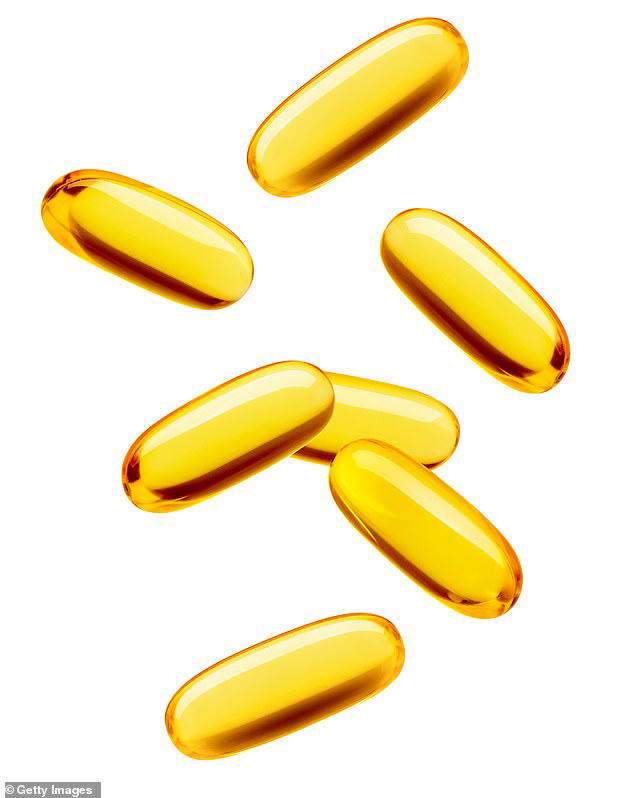
The Promise: Softgel capsules are easy to swallow and often used for vitamins, fish oil, and pain relievers.
-
The Problem: The issue isn’t the supplement inside, but the capsule itself. The soft, flexible shell is often made with chemicals called phthalates. Research, including a 2021 study, links phthalate exposure to a higher risk of dying from cardiovascular disease. Dr. Levine explains that these chemicals can cause inflammation and oxidative stress in arteries, leading to hardening and narrowing, which increases the risk of blockages and heart attacks. They can also negatively affect cholesterol levels.
-
Key Takeaway: When given a choice, opt for supplements in tablet or powder form over softgels to minimize your exposure to phthalates.
Frequently Asked Questions (FAQ)
Q: Should I stop taking all of my supplements?
A: Not necessarily. This list highlights potential risks associated with specific supplements, particularly at high doses or in certain forms. If you are taking any of these, do not stop abruptly without consulting your doctor. They can help you assess the benefits and risks based on your personal health profile.
Q: Are there any supplements that are actually good for heart health?
A: Yes, but the foundation of heart health is always a balanced diet, regular exercise, and not smoking. Some supplements, like Omega-3 fatty acids (fish oil), may be beneficial for some individuals, but it’s best to discuss this with your healthcare provider to see if they are right for you.
Q: How can I get these nutrients safely?
A: Food first. The risks associated with high-dose supplements are rarely found when consuming nutrients through whole foods. For example:
-
Get niacin from chicken, turkey, salmon, and brown rice.
-
Enjoy the benefits of green tea by brewing a cup.
-
Satisfy your sweet tooth with natural sources like fruit, rather than relying on artificial sweeteners.
Q: What’s the most important thing to remember?
A: Treat supplements with caution. They are not federally regulated like prescription drugs and can have unintended consequences. Always inform your doctor about every supplement you are taking, as they can interact with medications and underlying health conditions. The goal is to support your health, not inadvertently harm it.