We often hear that potassium is important, but why exactly does this mineral deserve a spot on your nutritional radar? Think of potassium as a master regulator within your body. It’s a crucial electrolyte that helps manage hydration, ensures your nerves fire correctly, and keeps your muscles contracting smoothly—including your heart muscle.
According to registered dietitian Natalie Rizzo, potassium also plays a starring role in blood pressure regulation. “Studies consistently show that eating more potassium can help lower blood pressure levels,” she notes. This directly translates to a lower risk for serious conditions like heart disease and stroke.
Despite its importance, many people don’t get enough potassium. It’s even been flagged as a “nutrient of concern” in U.S. dietary guidelines due to our generally low intake of nutrient-dense foods. The daily goal is 3,400 mg for men and 2,600 mg for women. To put that in perspective, a medium banana offers about 420 mg.
While bananas are the go-to for most, the world of fruit is full of delicious and often even more potent potassium sources. Let’s explore nine fantastic options.
9 Fruits to Boost Your Potassium Intake
-
Jackfruit (739 mg per cup)
Jackfruit is a tropical superstar with a unique double life. When ripe, it’s sweet and fruity. When unripe, its texture is remarkably similar to pulled pork or chicken, making it a popular vegan meat substitute. It’s perfect in tacos, curries, or slathered in barbecue sauce. -
Prunes & Prune Juice (707 mg per cup of juice)
Don’t underestimate the humble prune! These dried plums are a concentrated source of fiber and potassium. While prune juice is also effective, remember that whole prunes offer more fiber for fewer calories. Enjoy a small handful as a snack or blend them into smoothies. -
Guava (688 mg per cup)
This fragrant tropical fruit is a nutritional powerhouse. Beyond potassium, guava is loaded with vitamin C—even more than an orange! Its high fiber content can also help support heart health by helping to manage cholesterol and blood pressure. -
Kiwi (562 mg per cup)
Don’t let its small size fool you. The fuzzy kiwi is packed with potassium, fiber, and a huge dose of vitamin C. It also contains lutein, an antioxidant known for supporting eye health, and is relatively low in sugar. -
Cantaloupe (473 mg per cup)
Sweet, hydrating, and incredibly versatile, cantaloupe is a summer favorite. It’s a great source of potassium as well as vitamins A and C. Its orange flesh contains antioxidants like lutein and zeaxanthin, which are great for vision. -
Bananas & Plantains (451 mg per medium banana)
The classic for a reason! Bananas are convenient, portable, and provide a solid potassium punch. If you’re feeling adventurous, try plantains—their starchy, less-sweet cousin. When cooked, plantains offer even more potassium per cup (about 663 mg) and are a staple in many cuisines. -
Grapefruit (415 mg per fruit)
This tangy citrus fruit is hydrating and rich in immune-boosting vitamin C. For the biggest health benefit, eat the whole fruit rather than drinking the juice to get the valuable fiber that helps slow sugar absorption. -
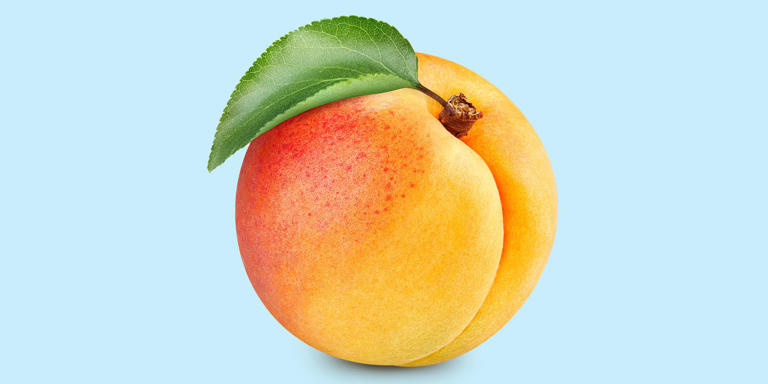
Apricots (401 mg per cup, fresh)
Fresh apricots are a delicious source of potassium and beta-carotene, an antioxidant that gives them their beautiful orange hue. Dried apricots are a fantastic portable snack (¼ cup has 378 mg), but keep portions in check as they are more calorie-dense. -
Honeydew Melon (388 mg per cup)
Completing the melon trio, honeydew is a subtly sweet and refreshing choice. It’s low in calories and provides a good amount of potassium along with other essential nutrients, making it a perfect addition to any fruit salad or a light snack on its own.
Frequently Asked Questions (FAQ)
Q: I don’t eat much fruit. What other foods are high in potassium?
A: Absolutely! Potassium is found in a wide variety of whole foods. Excellent sources include:
-
Vegetables: Potatoes (especially with the skin), sweet potatoes, spinach, broccoli, avocados.
-
Beans & Lentils: White beans, kidney beans, and lentils are packed with potassium and fiber.
-
Dairy: Yogurt and milk are good sources.
-
Fish: Salmon and tuna are great options.
Q: Can you have too much potassium?
A: For most healthy people, the body efficiently removes excess potassium through the kidneys. However, individuals with kidney disease or those on certain medications (like some blood pressure drugs) need to monitor their potassium intake closely. Always consult your doctor with specific health concerns.
Q: Is it better to get potassium from food or supplements?
A: Food first! Getting potassium from whole foods like fruits and vegetables means you also benefit from a package of fiber, vitamins, antioxidants, and other phytonutrients that work together for your health. Supplements are typically only used under medical supervision.
Q: Are dried fruits as good as fresh for potassium?
A: Dried fruits are a concentrated source of potassium, but they are also more concentrated in calories and sugar. They are a great option in small, controlled portions (like a ¼ cup), but fresh fruits are generally more filling for fewer calories due to their high water content.