
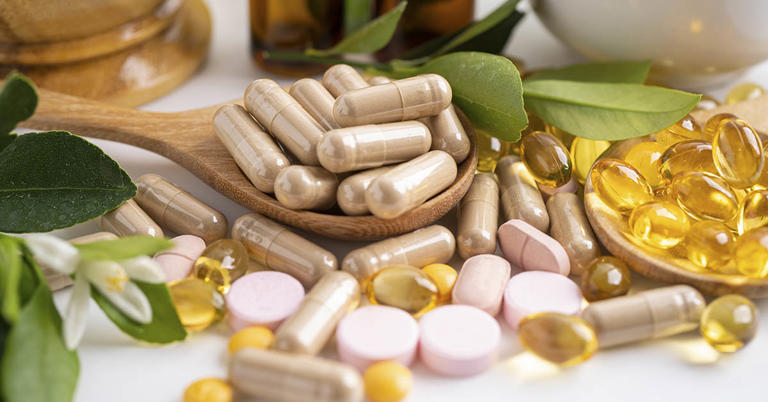
When “Good for You” Goes Wrong
It was a sunny Saturday morning in suburban Chicago when Maria, age 42 and relatively healthy, stopped by the local pharmacy thinking to pick up a new turmeric supplement her friend had recommended for joint pain. She’d heard about natural remedies and wanted to avoid more prescription pills. The supplement aisle looked harmless — bright bottles, bold claims: “Heart health!” “Anti-inflammatory!” “Detox your liver!”
But two weeks later Maria felt something off. Her skin had a slight yellow tint; she grew fatigued; and a routine check-up revealed elevated liver enzymes. She’d never smoked, rarely drank, exercised regularly. The only change? That “miracle” supplement.
Across the U.S., stories like Maria’s are quietly accumulating. Supplements are hardly regulated like prescription drugs, and many Americans assume “natural” means “safe.” Yet as one U.S. physician who works in liver and cardiac care puts it: “We’re seeing patients who assumed their supplements were harmless—and ended up in the hospital.”
In this article, we’ll walk through four supplements that medical professionals are increasingly cautious about, examine what might go wrong, and tell how U.S. consumers can protect themselves.
Our tone is conversational, relatable, U.S.-focused, and it’s meant to equip you with awareness (not alarm).
Supplement #1: High‐Dose Turmeric / Curcumin Extract
The Promise
Turmeric (or its concentrated extract curcumin) is everywhere: social media posts, wellness blogs, infographics promoting anti-inflammatory “superfoods.” Many Americans take it daily either in supplement form or mixed into smoothies.
The Reality
While culinary turmeric is low-risk, concentrated extracts—especially ones boosted with bio-availability enhancers like black pepper (piperine)—can overload the liver in some individuals. In Maria’s case, the supplement bottle boasted “2000 mg curcumin per serving + black pepper for enhanced absorption.” Two weeks in, her liver was waving a red flag.
Doctors report cases where patients experienced acute liver injury, sometimes requiring hospitalisation. One U.S. gastroenterologist noted that though rare, turmeric supplements have become “the most common cause of herbal-related liver injury” in certain clinics.
Why It Might Happen
-
The liver is the body’s filter; when a supplement delivers a high dose of active compound, the liver must metabolise more than expected.
-
Bio-enhancers like piperine heighten absorption—which sounds good, but also magnifies how much the liver must clear.
-
Supplements often include other ingredients or combinations the label doesn’t clearly warn about, increasing risk.
-
Some people may be genetically more vulnerable to liver toxicity from high-dose extracts.
What U.S. Consumers Should Do
-
If considering turmeric/curcumin supplements, check that the dosage is moderate (often under ~500–1000 mg curcumin/day unless medically supervised).
-
Ensure the product comes from a reputable brand with third-party testing.
-
If you have a history of liver disease, take other medications, or consume alcohol regularly, consult your doctor before starting.
-
Monitor yourself for early signs of liver stress: yellowing of eyes/skin, dark urine, persistent fatigue, right-upper-abdominal discomfort.
Supplement #2: Fish Oil / High‐Dose Omega‐3 Supplements
The Promise
Omega-3 fatty acids—especially from fish oil—have long been praised for heart health. Many Americans take them hoping to reduce risk of heart attacks, improve cholesterol profiles, or protect against inflammation.
The Reality
Recent large-scale observational studies suggest that in some people without known heart disease, taking high-dose fish oil supplements may actually increase risk of atrial fibrillation (irregular heartbeat) and possibly other cardiovascular events—not the protective effect many assumed.
One headline summarised it: “Fish oil supplements could increase one’s risk of heart disease.”
In other words: the supplement to protect the heart might, in certain contexts, strain the heart’s rhythm.
Why It Might Happen
-
High doses of omega-3 can thin the blood and disrupt electrical activity in the heart in susceptible individuals.
-
People assume “more is better,” but the effects depend on dose, underlying health, and other medications (e.g., blood thinners).
-
Supplements may interact with heart medications in unexpected ways (U.S. patients often on statins, nitrates, or anticoagulants).
-
The risk for someone already healthy may differ from someone with known heart disease—and many Americans take fish oil without a doctor’s oversight.
What U.S. Consumers Should Do
-
Instead of high-dose fish oil pills, you may get a safe dose via dietary sources: fatty fish (salmon, mackerel), flax seeds, walnuts.
-
If you already have atrial fibrillation, irregular heartbeat, or are on anticoagulants, discuss fish oil use with your cardiologist.
-
Never assume “natural” or over-the-counter equals “harmless”; more isn’t always safer.
-
Maintain heart-healthy lifestyle basics first: diet, exercise, blood pressure control—supplements are secondary.
Supplement #3: Red Yeast Rice (RYR) & Other “Natural” Cholesterol Cyclers
The Promise
Faced with high cholesterol but reluctant to take statins, many Americans consider red yeast rice supplements. Marketed as a “natural statin alternative,” RYR appeals as being “plant-based” and therefore perceived as gentler.
The Reality
RYR contains monacolin K—the same active compound found in prescription lovastatin. Because the supplement industry isn’t rigorously regulated, some RYR products contain variable or high doses of monacolins, or even undeclared statin-like compounds, increasing risk of liver damage, muscle breakdown, or other statin-type side effects.
In U.S. cases, users of RYR have reported elevated liver enzymes, muscle pain, and fatigue—mirroring statin side-effects but without clear medical supervision.
Why It Might Happen
-
Unlike prescription drugs, supplements don’t always list the precise monacolin K content—label says “red yeast rice extract,” dosage varies.
-
“Natural” doesn’t mean safe: high doses or adulterated products may mimic statin drug effects but without physician monitoring.
-
The supplement moves through the liver and muscles in the same way statins do—so those with pre-existing liver, muscle, or metabolic conditions can be at greater risk.
-
Consumers sometimes combine RYR with other cholesterol-lowering herbs or OTC drugs, compounding risk.
What U.S. Consumers Should Do
-
If you’re managing high cholesterol, see a licensed clinician before turning to RYR. Prescription statins come with clear dosage, monitoring, and understood risks.
-
If you choose RYR anyway: pick a certified brand, monitor your liver enzymes, watch for muscle pain or weakness, and discontinue if symptoms appear.
-
Keep your doctor informed—tell them you use RYR and any other supplements so they can watch for interactions.
Supplement #4: Multi‐Ingredient Weight Loss / “Fat Burn” Blends & Herbal Stimulants
The Promise
The U.S. weight‐loss market is huge—and supplements promising rapid fat burn, boosted metabolism, “clean energy,” or appetite suppression are very tempting.
Ingredients often include high‐dose caffeine, green tea extracts, yohimbine, guarana, bitter orange (synephrine), exotic herbal blends.
The Reality
Several of these multi‐ingredient formulas have been tied to heart attacks, arrhythmias, acute liver injury, kidney injury, and even death in otherwise healthy young Americans.
For example:
-
Products containing ephedra (now banned) caused dozens of fatalities related to heart attack and stroke.
-
Supplements promoted for weight loss that combined high‐dose green tea extract + stimulants called into question by liver injury registries.
-
Unless the user is aware of everything inside, and how their own heart and liver respond, hidden risk lurks.
Why It Might Happen
-
Stimulants increase heart rate and blood pressure: stress the cardiovascular system.
-
Blender formulas mean no one knows exactly how ingredients interact for each person.
-
These products often bypass full clinical testing or regulation—so real risk data is limited.
-
People often take them in combination with other weight loss efforts (fasting, dehydration, cardiac strain), compounding the risk.
What U.S. Consumers Should Do
-
Approach any weight-loss supplement with extreme caution. If it claims “quick results,” ask: does it increase heart/liver risk?
-
Always check your resting heart rate and blood pressure; if a supplement causes them to rise, stop use immediately.
-
Consider safer alternatives: medical supervision, proven lifestyle changes (diet, exercise), and scientifically validated programs.
-
Consult a physician before combining a weight‐loss blend with other stimulants (caffeine, energy drinks) or if you have any heart/liver history.
Why These Risks Are Especially Important in the U.S.
-
High prevalence of supplement use: Millions of Americans take dietary supplements regularly, often without telling their clinician.
-
Less regulation: Unlike prescription drugs, supplements do not undergo the same stringent safety testing or FDA approval before hitting shelves.
-
Cultural push for “natural cures”: Many Americans assume if it’s natural, it must be safe—but dose, combination, and individual health make a big difference.
-
Cardiovascular and liver disease are very common in the U.S.: Many people already have underlying conditions—adding an unmonitored supplement can tip the balance.
Real-Life Snapshot: How It Happens
Take Kenneth, 55, from Phoenix. Diagnosed with high cholesterol and borderline liver enzyme elevations. He preferred “natural” cholesterol fixes, so he began taking red yeast rice + high-dose fish oil + a “fat burn” café-style supplement. Six months later, he was hospitalised with arrhythmia, elevated liver enzymes, and told: “You nearly required a stent.”
Or consider Anita, 38, in suburban Atlanta. She bought a turmeric extract “for inflammation” online and took double the recommended dose daily for months. She developed jaundice, dark urine, and spent days in the hospital. Her doctor: “This isn’t typical hepatitis — it’s supplement‐induced damage.”
These are not extreme outliers—they reflect the thin line between wellness-supplement culture and genuine risk.
Early Warning Signs: What to Watch In Yourself
Regardless of the specific supplement, these are red flags demanding attention:
-
Unexplained fatigue, confusion, or nausea
-
Yellowing of eyes or skin (jaundice)
-
Dark urine, pale stool
-
Rapid heart rate, palpitations, elevated blood pressure
-
Muscle pain, weakness (especially with cholesterol supplements)
-
New digestive discomfort, pain in upper right abdomen
If you notice these after starting any supplement—stop use and consult your doctor.
Safe Supplement Use: A U.S.-Focused Checklist
-
Always consult your primary care doctor or specialist before starting a new supplement if you have heart, liver, or kidney issues.
-
Tell your doctor about all supplements you take—brands, dosage, how long. Many don’t ask.
-
Check for third‐party testing and quality certification (NSF, USP, ConsumerLab).
-
Use the minimum effective dose, don’t assume “more equals better.”
-
Avoid combining multiple high‐risk supplements without oversight (e.g., stacked fat burners + high-dose extracts).
-
Monitor your health regularly (liver enzymes, cholesterol, heart rhythm if relevant).
-
Remember: supplements are辅助, not substitutes for healthy diet, exercise, sleep, and medical care.
Final Thoughts: The Promise of Health Shouldn’t Shadow the Peril
Supplements can help—they can fill a nutrient gap, support joint mobility, maybe even aid certain conditions. But the key is context. Dosage, individual health status, drug interactions, and regulation matter.
In the U.S., the culture of self-medicating with “natural” pills has grown rapidly and often unmonitored. As a result, medical specialists are sounding warnings: the same supplements promoted for wellness are sometimes causing hospital stays, heart attacks, and liver failure.
If you or someone you know is taking any supplement with bold claims, take a moment to ask: “Do I really know the risk? Am I monitored? Could this be harming rather than helping?”
Choose wisdom. Choose caution. Your heart and liver will thank you.
FAQs
Q1: Are all supplements risky?
No—many supplements are safe when used appropriately. The issues arise when dose is high, products are low quality, or there’s pre-existing health conditions and no professional oversight.
Q2: Should I stop taking all supplements now?
Not necessarily. But you should evaluate each one—do you need it? Are you monitored? Is the brand reputable? Have you checked with a clinician? If in doubt, pause usage.
Q3: How do I choose a safe supplement brand?
Look for third‐party certification (NSF, USP, ConsumerLab), transparent labels, minimal extra ingredients, and that the company lists testing results. Avoid brands making exaggerated health claims.
Q4: I feel fine after taking a supplement—does that mean it’s safe?
No. Some damage to liver or heart may begin unnoticed or only show up on lab tests. Routine monitoring helps—if you have risk factors, ask your doctor for a baseline test before taking supplements.
Q5: What’s better: improving diet and lifestyle or taking supplements?
Lifestyle always wins. Diet, exercise, sleep, stress management—these are the foundation. Supplements should be add‐ons, not replacements. Focus on healthy living first.