
The Story Begins: A Familiar Fizz
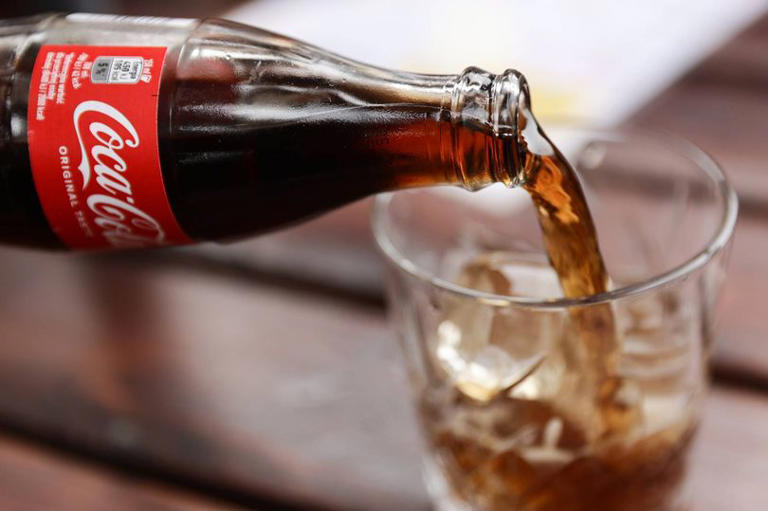
It’s a hot afternoon in suburban Texas. The sun blazes, and the air hums with that sleepy post-lunch lull. You reach into your fridge, pop open a cold can of Coke, and that familiar fizz echoes through the kitchen — refreshing, comforting, nostalgic. You take that first sip, and for a moment, life feels good.
But what if that moment of sweetness came with an invisible price tag — not in dollars, but in minutes off your life?
Recent health research in the U.S. has sparked a chilling realization: every can of soda you enjoy may quietly shave minutes from your lifespan. It’s not just a dramatic headline — it’s a wake-up call about what’s really happening inside our bodies each time we crack open that cold, bubbly favorite.
The Sweet Illusion: How America Fell in Love with Soda
For decades, soda has been part of the American story. From backyard barbecues in Ohio to Friday night football games in Alabama, a Coke or Pepsi has long symbolized joy, youth, and freedom. The ads told us it was happiness in a can — a treat to reward ourselves, share with friends, or cool down after a long day.
But behind the cheerful bubbles and red-and-white label lies a powerful cocktail of sugar and chemicals that our bodies were never built to handle. The average American today consumes around 37 pounds of added sugar from soft drinks alone each year — that’s like pouring nine 4-pound bags of sugar into your system.
And the most alarming part? We don’t even realize it’s happening.
What Really Happens When You Drink a Coke
The human body reacts to sugary soda in a surprisingly dramatic way — and fast.
Within 10 minutes, your bloodstream is flooded with around 10 teaspoons of sugar — far more than your body is meant to process at once. Normally, you’d vomit from such sweetness, but phosphoric acid in the drink masks the taste.
By 20 minutes, your blood sugar spikes, forcing your pancreas to release insulin — your body’s emergency system to handle the sugar flood. Much of that sugar is converted into fat.
After 40 minutes, caffeine levels rise in your bloodstream. You feel more alert, maybe even energized. But behind the scenes, your heart rate climbs and your blood pressure nudges upward.
At 60 minutes, a crash begins. Your body has used up all that energy, insulin levels plummet, and your brain starts craving more. That’s the addiction cycle in action — subtle, chemical, and relentless.
Over time, that repeated rollercoaster of spikes and crashes wreaks havoc — not just on your waistline, but your heart, liver, and brain.
How Sugar Sneaks Up on Your Heart
Every Coke may take minutes off your life, but the real danger is how it slowly erodes your health over months and years.
Sugar in soda increases inflammation in the body — a silent, invisible process that damages blood vessels and weakens the heart. It also raises triglycerides (a type of fat in the blood) and lowers HDL — the “good” cholesterol your body needs to keep your arteries clear.
Over time, this mix leads to:
-
Higher risk of heart disease and stroke
-
Increased blood pressure
-
Insulin resistance, leading to prediabetes or Type 2 diabetes
-
Fatty liver disease, even in people who don’t drink alcohol
In 2025, heart disease remains the leading cause of death in the U.S., and sugary drinks are one of its stealthiest accomplices.
Why “Diet” Soda Isn’t the Solution
Many Americans, aware of sugar’s dangers, switch to diet versions — but that might be like swapping a wolf for a coyote.
Artificial sweeteners like aspartame and sucralose may reduce calories, but they trick your brain into craving more sweetness. Some studies suggest they may disrupt gut bacteria, mess with insulin response, and even increase appetite.
So while the can may say “zero calories,” your body still gets the message: I want more sugar.
The Psychology Behind the Craving
Let’s be honest — soda isn’t just a drink. It’s comfort, nostalgia, and sometimes even identity. Many Americans grew up with it — family road trips, childhood lunches, or a vending machine reward at work.
That emotional connection is powerful. Coca-Cola’s marketing didn’t just sell soda; it sold memories. That’s why it’s so hard to quit — your brain ties the taste to happiness.
But once you understand what it’s really costing you, that emotional bond begins to fade. You realize that every can isn’t a reward — it’s a withdrawal from your health savings account.
The Ripple Effect: Soda and Your Everyday Energy
The crash after a soda doesn’t just make you tired — it changes your productivity, your mood, and even your focus.
That spike-and-drop cycle of sugar means your energy levels are constantly yo-yoing. You feel sharp and awake for a bit, then drained, irritable, or foggy. That fatigue pushes you to reach for another caffeine fix — coffee, energy drinks, or yes, another soda.
It’s a loop — one that quietly drains your vitality day after day.
Real People, Real Change: A Story of Small Wins
Consider Linda, a 52-year-old teacher from Ohio. She drank two cans of Coke a day for years. It was her comfort during grading papers late at night. When her doctor warned her about high blood pressure and fatigue, she didn’t connect it to soda — not right away.
But when she cut down gradually — replacing one Coke with lemon water and the other with unsweetened iced tea — she noticed something remarkable: she started sleeping better. Her energy improved. Her blood pressure dropped within weeks.
“I didn’t realize how much control that little red can had over me,” she says. “Now, I’m the one in control.”
Healthier Alternatives That Still Feel Good
You don’t have to give up flavor to give up soda. Americans love taste — and thankfully, there are plenty of delicious swaps:
-
Sparkling Water with Citrus or Berries – Get the fizz without the guilt.
-
Iced Green Tea – Naturally energizing and loaded with antioxidants.
-
Infused Water – Try cucumber, mint, or strawberry slices.
-
Kombucha – Fermented tea that offers a tangy kick and gut health benefits.
-
Cold Brew Coffee – For caffeine lovers who want to skip sugar.
The secret? Keep it satisfying — make your new habit as rewarding as your old one.
Reclaiming Your Health, One Sip at a Time
Giving up soda might feel tough at first, especially if it’s been part of your life for years. But remember — change isn’t about punishment; it’s about power. Every day you choose water, tea, or something wholesome, you’re giving your heart and body a longer, stronger life.
Health isn’t about perfection — it’s about progress. And every small decision adds up.
Final Thoughts: The Real Cost of a Coke
That cold can of Coke doesn’t seem dangerous. It’s small, sweet, and simple. But inside that can lies a quiet thief — stealing your energy, your focus, your heart health, and yes, even minutes from your life.
It’s not about guilt. It’s about awareness. Once you know the truth, you can choose differently.
Because life is too precious — and too short — to trade away for a sip of sugar and fizz.
FAQs About Soda and Health
1. How many minutes does one can of soda actually take off your life?
While exact numbers vary, research suggests that frequent soda drinkers may lose several minutes of healthy life expectancy per can due to sugar’s long-term impact on heart and metabolic health.
2. Is it okay to drink soda occasionally?
Yes, moderation is key. Having one on a special occasion won’t harm you — it’s the daily habit that adds up over time.
3. What’s worse — regular soda or diet soda?
Both can have negative effects. Regular soda impacts your sugar levels, while diet soda may disrupt metabolism and increase cravings.
4. Can I reverse the effects of years of soda drinking?
Absolutely. By switching to healthier drinks and improving diet and exercise, your heart and body can recover over time.
5. What’s the best first step to quit soda?
Start small — replace one soda a day with water or sparkling alternatives. Gradual change is more sustainable than quitting cold turkey.