
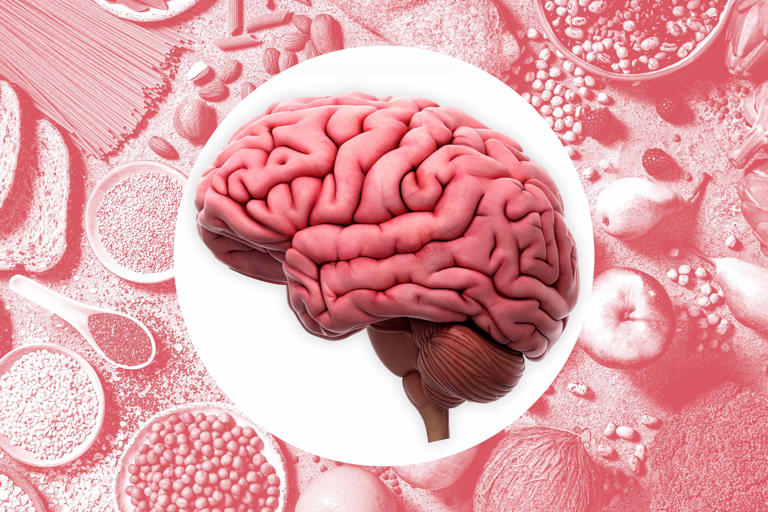
A Sunday Morning Revelation
It was a quiet Sunday morning in Austin, Texas.
Sunlight poured through the kitchen window as Elaine, a 62-year-old retired teacher, stirred blueberries into her oatmeal.
Her grandson, 8-year-old Liam, sat at the table building a Lego spaceship.
Elaine smiled — but something tugged at her heart.
Just last week, she’d forgotten her neighbor’s name — someone she’d known for twenty years.
That scared her.
She’d seen her own mother’s memory fade — from forgetting birthdays to eventually not recognizing her children.
But this morning felt different.
She’d read something fascinating online the night before — a new wave of research suggesting that certain everyday foods might actually slow down how our brains age.
And so, with a spoonful of berries and a spark of hope, she began her own “memory diet.”
This is Elaine’s story — and maybe, it could be yours too.
1. The Brain: The Most Important Muscle We Forget to Feed
For decades, Americans have obsessed over diets that flatten the stomach, lower cholesterol, or boost energy.
But the brain, our most vital organ, is often left out of the conversation.
We pop supplements, chase caffeine, and push through stress — rarely thinking about how every meal we eat affects the 3-pound miracle sitting between our ears.
The truth is:
Your brain ages just like your skin, your joints, or your heart.
And what scientists are uncovering now is both humbling and hopeful — the food we eat every day can actually change the way our brain grows, repairs, and even remembers.
2. The Aging Brain: What Really Happens Inside
As we age, our brain doesn’t just “slow down” — it changes shape and chemistry.
-
Neural connections (the communication lines between brain cells) weaken.
-
Inflammation rises, often caused by poor diet or chronic stress.
-
Oxidative stress — an internal “rusting” process — damages brain tissue.
-
And blood flow decreases, meaning less oxygen reaches our neurons.
This combination leads to:
-
Memory lapses
-
Slower processing
-
Difficulty focusing
-
And, in more severe cases, neurodegenerative diseases like Alzheimer’s.
But here’s the stunning part:
Scientists have found that the brain can heal — if you feed it right.
3. The “Neuro-Nutrition” Revolution
Across research centers and longevity clinics in the U.S., nutritionists are discovering that certain everyday foods act like “brain medicine” — without the prescription bottle.
These aren’t exotic superfoods from the Amazon jungle.
They’re items you can find at your local Walmart or Whole Foods.
From leafy greens to berries, nuts, olive oil, and even coffee, these ingredients seem to have one thing in common —
they fight inflammation and improve blood flow to the brain.
Let’s take a tour of the “Memory Kitchen.”
4. The Brain’s Best Friends: Everyday Foods That Protect and Repair
🫐 1. Blueberries: The Tiny Giants of Brain Health
Elaine’s breakfast wasn’t just tasty — it was strategic.
Blueberries are loaded with flavonoids, natural compounds that help protect brain cells from oxidative damage.
They also improve communication between neurons, boosting memory and learning.
Studies show that older adults who eat blueberries regularly perform better on memory tests.
So, your morning smoothie or oatmeal topping might be doing more than you think — it’s literally keeping your mind sharp.
🥬 2. Leafy Greens: Spinach, Kale, and the “Mind Shield” Effect
Every forkful of spinach or kale delivers vitamin K, lutein, beta carotene, and folate — nutrients that slow cognitive decline.
Think of them as the armor for your neurons.
In cities like Chicago and Denver, dietitians now recommend the “daily salad rule” — one large serving of greens per day.
It’s simple, affordable, and effective.
Elaine swapped her lunchtime sandwich for a spinach-and-avocado salad.
After a month, she noticed she wasn’t losing her train of thought mid-sentence anymore.
🧄 3. Garlic: The Old Farmer’s Brain Booster
In rural Tennessee, old farmers swear by garlic.
Turns out, they’re onto something.
Garlic helps improve blood circulation and reduces plaque buildup in arteries — ensuring more oxygen reaches the brain.
It also contains allicin, a compound known to reduce brain inflammation and support immune health.
Elaine started roasting garlic cloves and spreading them on whole-grain toast.
Her kitchen smelled heavenly — and her brain thanked her for it.
☕ 4. Coffee: The American Brain Elixir
Here’s some good news: your morning cup of joe might actually protect your memory.
Caffeine doesn’t just wake you up — it blocks adenosine, a compound that makes you feel tired, and it triggers the release of dopamine, improving focus and mood.
Moderate coffee consumption (1–2 cups daily) is linked with a lower risk of Alzheimer’s and Parkinson’s.
Just go easy on the sugar and cream — your neurons prefer it black.
🥜 5. Nuts: Brain Fuel You Can Hold in Your Hand
Walnuts, almonds, and pistachios aren’t just snacks — they’re brain maintenance kits in a shell.
Rich in omega-3 fatty acids, vitamin E, and antioxidants, nuts help prevent cognitive decline and maintain flexible, healthy cell membranes.
Elaine began keeping a small jar of walnuts in her purse.
Whenever she felt that mid-afternoon slump, she’d grab a handful instead of reaching for cookies.
Her energy stabilized — and her focus improved.
🫒 6. Olive Oil: Liquid Gold for the Mind
In Mediterranean cultures, olive oil is more than a condiment — it’s medicine.
Its powerful polyphenols reduce brain inflammation and oxidative stress.
Some neurologists call it “youth serum for the brain.”
Switching from butter to extra-virgin olive oil can have long-term cognitive benefits — and it tastes amazing drizzled over salads or roasted vegetables.
🐟 7. Fatty Fish: The Ocean’s Brain Boosters
Salmon, trout, sardines, and mackerel are packed with DHA and EPA, two omega-3 fats essential for brain cell growth and communication.
In American diets, omega-3 deficiency is common — especially among those who avoid seafood.
Elaine began cooking salmon twice a week.
Soon, her sleep improved and her brain fog began to lift.
It wasn’t magic — it was biology.
🍫 8. Dark Chocolate: The Sweet Secret of Focus
Yes, chocolate can be brain food — but only the dark kind.
Cocoa contains flavanols that improve blood flow to the brain and enhance memory and mood.
Think of it as dessert with a Ph.D. — 70% cacao or higher.
Elaine’s new ritual: one square of dark chocolate after dinner.
A treat that nourished her neurons as much as her soul.
🍅 9. Tomatoes: The Lycopene Lifesaver
Tomatoes — especially cooked ones — are loaded with lycopene, an antioxidant that protects brain cells from free radical damage.
In Florida and California, researchers have found correlations between diets rich in tomatoes and reduced cognitive decline.
A daily serving of tomato-based soups, sauces, or salads could be a delicious way to slow brain aging.
🧠 10. Turmeric: The Golden Spice of Memory
Curcumin, the active compound in turmeric, crosses the blood-brain barrier and fights inflammation directly at the source.
It also boosts BDNF (Brain-Derived Neurotrophic Factor) — think of it as brain fertilizer that encourages new cell growth.
Add a pinch to your eggs, soups, or smoothies with a bit of black pepper (which enhances absorption).
Elaine’s kitchen began to smell like an Indian café — and she loved it.
5. What Americans Are Getting Wrong About Diet and Aging
In the U.S., we often think “aging well” means staying fit or keeping wrinkles away.
But what about staying mentally young?
Our food culture — fast, fried, and full of processed sugar — actually accelerates cognitive decline.
Here’s what hurts the brain:
-
High sugar intake → causes inflammation and brain insulin resistance.
-
Trans fats and processed oils → damage cell membranes.
-
Overeating → slows neural regeneration.
-
Chronic dehydration → reduces focus and memory.
We’ve engineered foods for convenience, not cognition.
But as Americans shift toward longevity living, more people are realizing that health starts not in the gym — but in the kitchen.
6. Elaine’s 3-Month Brain-Boosting Routine
Elaine committed to her new eating plan.
She didn’t call it a “diet.” She called it her “brain care plan.”
Her daily rhythm looked like this:
Morning:
-
Oatmeal with blueberries and walnuts
-
Coffee with cinnamon
-
10 minutes of journaling
Afternoon:
-
Spinach salad with olive oil and garlic
-
Salmon sandwich on whole grain
-
A 15-minute walk
Evening:
-
Tomato and turmeric soup
-
One piece of dark chocolate
-
Meditation before bed
By month three, Elaine noticed real changes:
-
Her recall improved — names, errands, recipes.
-
She slept deeper and woke more alert.
-
Her mood stabilized — calmer, lighter, more present.
Her doctor even noticed improvements in her cognitive assessment scores.
7. The American Brain Future: A Shift in Mindset
Across the U.S., more people — from Silicon Valley executives to retired grandparents — are realizing that brain longevity is the new frontier of health.
The message is simple:
We can’t stop aging, but we can age intelligently.
Neuro-nutrition isn’t just a diet trend — it’s a lifestyle.
Imagine schools serving brain-boosting lunches.
Imagine corporations offering “mental performance meals.”
Imagine seniors reversing memory decline through daily food choices.
That future isn’t decades away. It’s already happening — in homes, kitchens, and grocery aisles all across America.
8. The Science of Hope
Neuroscientists often say the brain is the most “plastic” organ in the body — meaning it can rewire, regrow, and adapt.
Every healthy bite you take is a vote for the future version of you — the one who remembers, learns, laughs, and loves deeply.
Elaine didn’t just change her diet.
She changed her destiny.
And maybe, just maybe, we can too.
FAQs: Foods That Help Slow Brain Aging
Q1: What is the best diet for brain health?
The best brain diet combines elements of the Mediterranean and DASH diets — rich in greens, berries, olive oil, nuts, and fish while avoiding sugar and processed foods.
Q2: Can food really slow down aging in the brain?
Yes. Diets rich in antioxidants, omega-3 fats, and anti-inflammatory compounds have been shown to preserve memory, focus, and neural health as we age.
Q3: Are supplements as good as real food?
Whole foods are superior. Supplements can help fill gaps, but real foods deliver complex nutrients that work together in ways capsules can’t replicate.
Q4: How soon can someone notice results from a brain-healthy diet?
Some people report better focus and mood in weeks, but measurable cognitive improvements often appear after 2–3 months of consistent change.
Q5: Is coffee or chocolate bad for the brain?
Not in moderation. Both contain compounds that improve alertness and blood flow. Just avoid excessive sugar and processed additives.
Q6: Can these foods prevent Alzheimer’s disease?
While no single food can prevent Alzheimer’s, a diet rich in these nutrients significantly lowers the risk and supports overall brain resilience.
Epilogue: Feeding Tomorrow’s Mind
A few months later, Elaine hosted Thanksgiving at her home.
As her family gathered, she remembered every name, every recipe, every laugh.
Her table was a celebration — not just of food, but of memory.
Spinach salad, roasted salmon, olive oil dressing, dark chocolate dessert.
She raised her glass and smiled at Liam.
“Eat well,” she told him, “because every bite shapes who you’ll become.”
He nodded — a little boy who didn’t yet know that his grandma had just given him the secret to a long, clear-minded life.