
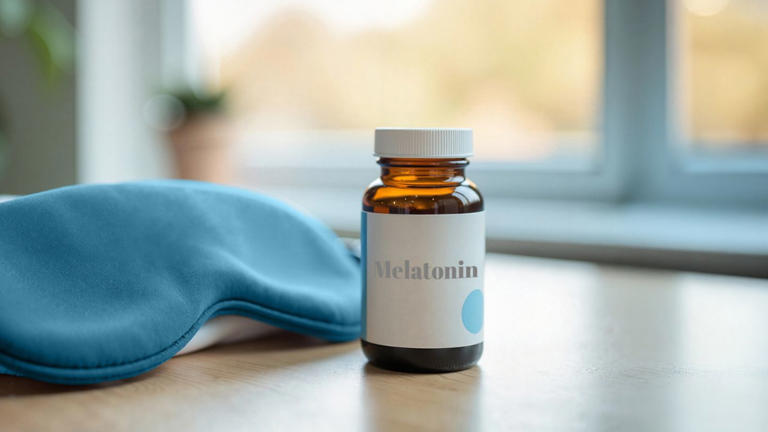
It starts innocently enough. You’re lying in bed, staring at the ceiling fan spinning like a slow hypnotic clock. The city lights peek through the blinds, your mind is buzzing from the day — and sleep just won’t come.
So, you reach for that small amber bottle sitting on your nightstand. “Melatonin — all-natural sleep aid.” You pop one, maybe two, and within minutes, your eyelids feel heavier. Finally, relief.
For millions of Americans, that’s become a familiar nightly ritual. Melatonin is the go-to remedy for insomnia, jet lag, or just the chaos of modern life. But what if this little pill that helps you sleep soundly today could quietly harm your heart tomorrow?
This isn’t fearmongering — it’s awareness. And it’s time to unpack the truth behind melatonin, its growing popularity, and the potential long-term heart health risks that many people never see coming.
The Melatonin Boom in America
In the last decade, melatonin has gone from a niche supplement to a household name. It’s sold everywhere — from pharmacy aisles to gas stations, often nestled between vitamins and herbal gummies.
What used to be a short-term fix for jet lag or night shifts has become a lifestyle habit. According to recent estimates, millions of Americans take melatonin nightly, believing it’s a “natural” alternative to sleeping pills.
But here’s the thing: natural doesn’t always mean harmless.
Understanding What Melatonin Really Does
Melatonin isn’t a sleeping pill — it’s a hormone. Your brain produces it naturally in the pineal gland as daylight fades. Think of it as your body’s way of saying, “Hey, it’s nighttime. Let’s wind down.”
When you take synthetic melatonin, you’re essentially giving your body an artificial signal to sleep. For short-term use, that’s often fine — like resetting your body clock after a red-eye flight.
But when it becomes a nightly dependency, your body’s own rhythm can get confused. Over time, the natural production of melatonin may decrease, forcing you to rely on supplements more and more.
And here’s where the heart health connection begins to surface.
The Silent Link Between Sleep and the Heart
We all know sleep is vital — but it’s how we sleep that truly affects our heart. During deep sleep, blood pressure drops, the heart rate slows, and your body enters a restorative state.
Melatonin, in small doses, helps regulate this rhythm. However, taking it in high or frequent doses can interfere with the delicate hormonal balance that governs your cardiovascular system.
Your heart doesn’t just beat — it follows a rhythm tied to your circadian clock. Melatonin supplements can sometimes disrupt that clock when overused or mistimed, potentially affecting blood pressure, heart rate variability, and even arterial stiffness.
How Long-Term Use May Stress the Heart
Here’s the reality: melatonin isn’t like taking a vitamin. It’s a hormone that influences other hormones — including cortisol, insulin, and estrogen — all of which have indirect effects on heart function.
Over time, high or chronic melatonin intake can:
-
Disrupt Blood Pressure Regulation:
Melatonin affects nighttime blood pressure. Long-term, irregular use can make your heart work harder to stabilize it, especially in older adults. -
Alter Heart Rate Patterns:
While melatonin naturally lowers heart rate during sleep, too much can create an imbalance between your resting and active heart rhythms, confusing your cardiovascular system. -
Interfere With Medications:
For Americans managing hypertension, diabetes, or cholesterol, melatonin can interact with medications — either reducing their effectiveness or amplifying side effects. -
Influence Inflammation Levels:
Research has hinted that melatonin impacts inflammatory markers. While mild inflammation helps with recovery, chronic imbalance can lead to heart strain over time.
The American Dosing Problem: More Isn’t Better
Here’s one of the most overlooked issues — dosage.
Most melatonin sold in the U.S. is overdosed.
While your body naturally produces about 0.3 mg nightly, many supplements contain 5 to 10 mg per pill — sometimes more. That’s nearly 10 to 30 times higher than what your body needs.
And because supplements in the U.S. aren’t tightly regulated, the actual melatonin content can vary wildly. One bottle may have 80% more than its label says, another 50% less. Over time, that inconsistency can spell trouble for your hormonal and cardiovascular balance.
A Real-Life Story: When “Just a Supplement” Went Too Far
Let’s talk about Emily, a 42-year-old marketing manager from Chicago. Like many Americans, her nights were filled with stress, screen time, and caffeine-laced deadlines.
She started taking melatonin — just 3 mg, every night. It worked beautifully. For months, she slept like a rock.
But soon, she noticed feeling sluggish in the mornings, even lightheaded during workouts. A check-up revealed mild hypertension — surprising for someone fit and health-conscious. Her doctor asked about supplements, and when she mentioned melatonin, he raised an eyebrow.
After tapering off, her blood pressure stabilized. Emily didn’t connect her sleep aid to her heart at first — but it was the hidden culprit.
Why Americans Are Especially at Risk
The culture of overwork and quick fixes in the U.S. makes melatonin an easy escape. You don’t need a prescription, it’s cheap, and it feels “safe.”
Combine that with:
-
Long work hours
-
Chronic stress
-
High caffeine intake
-
Blue light exposure from screens
…and it’s no surprise that millions rely on it nightly.
But unlike Europe or Canada — where melatonin doses are lower and often regulated — American consumers self-medicate with little guidance, sometimes for years.
What Long-Term Use Might Do Beyond the Heart
While heart health is the biggest red flag, long-term melatonin use may also:
-
Affect Hormonal Balance: Especially in women, melatonin can influence estrogen and reproductive hormones.
-
Disrupt Sleep Quality Over Time: Paradoxically, dependency on melatonin can make natural sleep harder without it.
-
Influence Mood and Energy: Some users report grogginess, irritability, or brain fog.
How to Use Melatonin Safely (If You Must)
If you genuinely struggle with sleep, melatonin can still be a useful short-term ally — the key word being short.
Here’s how to do it wisely:
-
Start Low: Begin with 0.3–1 mg 30 minutes before bedtime.
-
Use It Temporarily: Treat melatonin as a reset tool, not a lifelong crutch.
-
Focus on Routine: Go to bed at the same time daily — consistency is the real melatonin.
-
Avoid Screens Before Bed: Blue light kills your body’s natural melatonin production.
-
Reevaluate Every Few Months: If you’re still relying on it nightly, talk to a healthcare professional.
Natural Alternatives for Deep, Restful Sleep
Before you pop that pill, try giving your body what it truly craves: balance.
-
Create a Wind-Down Routine: Dim lights, read a physical book, sip chamomile tea.
-
Exercise Regularly: Even a 20-minute walk daily can improve sleep quality.
-
Keep Your Bedroom Cool and Dark: The ideal sleep temperature is around 65°F.
-
Eat Smart at Night: Avoid heavy or high-sugar meals before bed.
-
Try Mindfulness or Breathing Exercises: Techniques like box breathing or guided meditation calm the nervous system naturally.
The Bottom Line: Sleep Smart, Protect Your Heart
Melatonin can be a friend — but also a foe if misused.
Short-term, it helps recalibrate sleep cycles. Long-term, it may interfere with the very systems it’s meant to support, including the heart.
In the American rush for quick relief, we often forget that our bodies aren’t machines. Every pill, every supplement, even the “natural” ones, influence a complex web of hormones, organs, and rhythms.
So before making melatonin your nightly ritual, pause. Ask yourself:
Am I fixing my sleep — or just masking a deeper imbalance?
Sometimes, the most powerful medicine isn’t in a bottle — it’s in slowing down, tuning in, and letting your body do what it’s designed to do.
Frequently Asked Questions (FAQs)
Q1: Is melatonin safe to take every night?
Occasional use is generally fine, but long-term nightly use may interfere with natural hormone cycles and heart rhythm over time.
Q2: What’s the safest melatonin dose?
For adults, 0.3 to 1 mg is often sufficient. Higher doses don’t necessarily improve sleep and may cause side effects.
Q3: Can melatonin affect blood pressure?
Yes. Overuse or inconsistent timing may impact blood pressure regulation, especially in individuals with heart conditions or on medication.
Q4: Are there natural ways to boost melatonin?
Absolutely. Limiting screen time at night, eating foods like tart cherries and almonds, and maintaining a dark sleep environment help increase natural melatonin.
Q5: What are the signs I’m taking too much melatonin?
Morning grogginess, vivid dreams, headaches, dizziness, or fluctuations in blood pressure may indicate excessive intake.
Final Thought
Sleep is sacred — but shortcuts can come with costs.
Melatonin can help when used wisely, but the smartest move you can make for your long-term health is to address the root causes of poor sleep, not just the symptoms.
After all, your heart beats tirelessly for you every day. The least we can do is let it rest peacefully, too. ❤️