
The Story That Started It All
I still remember walking into my friend Claire’s house one Sunday afternoon — she’s one of those people who just has it together. You know the type. Her life seems to flow effortlessly. Her bills are paid, her home smells faintly of lavender, and her fridge actually contains real food instead of random takeout containers.
As I stepped inside, I couldn’t help but notice something: it wasn’t just that her house was clean — it felt calm. Peaceful. Like the kind of place where stress just… didn’t belong.
And that’s when it hit me. People who have their lives together don’t necessarily own more — they just own better.
It wasn’t about perfection or money. It was about intention.
Over time, as I paid more attention to people like Claire (and slowly became one myself), I realized that those who seem most grounded tend to avoid keeping certain things around — things that drain energy, clutter the mind, and hold them back from living with clarity.
Here are the 10 things people who truly have their lives together never keep in their homes — and what they do instead.
1. Broken or “Someday” Items
You know that drawer full of tangled cords, the lamp that’s been flickering since 2021, or the treadmill that’s “just waiting” to be fixed?
People who have their lives together don’t let broken things take up emotional or physical space.
Why? Because those items are more than clutter — they’re unfinished business. They send a quiet message every time you walk by: “You still haven’t dealt with this.”
The Fix:
If something’s broken, repair it immediately or let it go. A home filled with working, loved objects feels lighter — and makes you feel capable.
2. Expired Food, Medicine, or Beauty Products
Open any cabinet and you’ll probably find a bottle of Tylenol that expired during Obama’s presidency or a jar of moisturizer you “might use again someday.”
People who are organized don’t let expired items linger. They know that keeping old, stale products is both unhealthy and symbolic — it’s like hanging on to the past.
The Fix:
Every three months, do a quick sweep of your kitchen, bathroom, and medicine cabinet. Toss what’s expired. It’s a five-minute act of self-respect.
3. Clothes That Don’t Fit — Physically or Emotionally
Here’s the hard truth: that pair of jeans from your twenties isn’t “motivation.” It’s a guilt trip.
People with their lives together dress for the person they are today, not the one they used to be. They understand that hanging on to old clothes — or even old versions of themselves — only weighs them down.
The Fix:
Donate anything that doesn’t fit your current body or lifestyle. Keep clothes that make you feel confident, not ashamed.
4. Excess Paperwork and “Just in Case” Documents
Stacks of old bills, outdated insurance policies, random receipts — these things multiply quietly until you can’t find the one paper you actually need.
The most put-together people I know all have one thing in common: a system. Their paperwork lives neatly in a folder or digital file, and they can find anything within 60 seconds.
The Fix:
Go paperless where you can. Invest in a small filing box for essentials (birth certificate, car title, tax forms). Shred the rest.
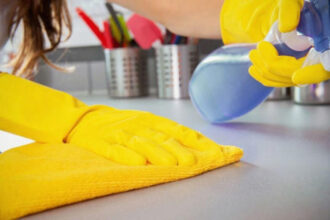
5. Toxic Cleaning Supplies or Random Half-Used Bottles
Under most sinks, there’s a chemical graveyard: bleach sprays, floor cleaners, three types of dish soap, and maybe a mystery bottle whose label peeled off years ago.
People who have their lives together simplify. They stick to a few reliable, effective cleaning tools and ditch the chaos.
The Fix:
Pick multipurpose, eco-friendly products that you actually like using. Your space (and lungs) will thank you.
6. Unused Kitchen Gadgets and Duplicates
Let’s be honest — how many times have you used that quesadilla maker, juicer, or “as seen on TV” vegetable spiralizer?
People with organized, balanced lives value space more than stuff. Their kitchen counters are clear because they only keep tools that serve them regularly.
The Fix:
If you haven’t used it in the past year, it’s not an appliance — it’s decor. Donate it.
7. Negative Reminders of the Past
We all have those items that sting when we see them: an old love letter, a photo from a friendship that ended badly, a souvenir from a trip you’d rather forget.
People who are emotionally grounded don’t keep things that reopen old wounds. They choose peace over nostalgia.
The Fix:
Hold each item and ask: Does this bring me peace or pain? If it hurts, let it go. Healing requires space.
8. Unread Books or Magazines You’ll “Get To Someday”
There’s something comforting about a shelf full of untouched books — but it can also be a quiet form of procrastination.
Truly organized, self-aware people read with purpose. They don’t keep stacks of “someday” reading because they live in the now.
The Fix:
Keep only the books you genuinely plan to read or love enough to revisit. The rest can inspire someone else.
9. Junk Drawers That Hold Emotional Clutter
Every American home has one: that chaotic drawer filled with batteries, loose change, rubber bands, and mystery screws.
But here’s the thing — it’s not just junk. It’s a reflection of postponed decisions.
People who have their lives together handle small decisions right away. They don’t shove them into a drawer to deal with “later.”
The Fix:
Empty it out. Toss what you don’t recognize. Use small containers to organize essentials (tape, scissors, charger). Done.
10. Gifts Kept Out of Guilt
This one might sting.
That hand-knitted sweater from your aunt, the décor piece from your ex, the souvenir your coworker brought from Florida — if you don’t love it but keep it to avoid guilt, it’s not a gift. It’s an obligation.
People who have mastered simplicity understand that gratitude doesn’t mean possession. You can appreciate the thought without keeping the thing.
The Fix:
Let it go with gratitude. You honor the giver more by freeing space than by keeping clutter.
Bonus: The Mindset Behind It All
When you walk into the home of someone who has their life together, it’s not about the furniture or design — it’s about energy.
You’ll feel it in how the air moves, how the light falls on uncluttered surfaces, how there’s space to breathe.
These people understand that your environment shapes your emotions.
Clutter whispers chaos. Cleanliness breeds clarity.
They aren’t necessarily minimalists — they’re intentionalists. Every item in their home has a purpose, a function, or a story worth telling.
The Emotional Connection: Why Letting Go Feels Hard
It’s not about the stuff. It’s about what the stuff represents.
That box of old college notes? It’s not paper — it’s a version of you who dreamed big.
Those jeans from your twenties? They’re not denim — they’re nostalgia.
That broken mug? It’s not ceramic — it’s sentiment.
But here’s the truth: when your home is full of your past, there’s no room for your present.
Letting go doesn’t mean forgetting who you were. It means making space for who you’re becoming.
What Happened When I Tried It Myself
Inspired by my friend Claire, I spent one weekend decluttering using these ten rules. By Sunday evening, my home looked lighter — but more importantly, I felt lighter.
I wasn’t constantly reminded of unfinished projects, old habits, or emotional weight. My space felt aligned with the person I wanted to be.
Within weeks, I noticed I was sleeping better, thinking clearer, and even feeling more motivated.
It turns out, when you clear physical clutter, mental clutter follows.
How You Can Start Today
-
Pick one room. Don’t tackle the whole house — start small.
-
Use the “Would I buy this again today?” rule. If not, it’s time to let go.
-
Set a timer for 20 minutes. Declutter in short, focused bursts.
-
Don’t overthink. If you hesitate, it’s probably a no.
-
Reward yourself after each session. A clear space deserves celebration.
Why It’s About More Than Stuff
People who have their lives together aren’t obsessed with neatness — they’re obsessed with freedom.
They know that every unnecessary item you own also owns a little piece of your attention. Every time you walk past it, move it, clean it, or avoid it, it costs energy.
And energy — not money — is the true currency of a peaceful life.
The Ultimate Truth: It’s Not About Perfection
Let’s be honest — no one’s home is perfect all the time. Even Claire’s sink occasionally holds dishes.
The difference is mindset.
People who have their lives together don’t chase spotless perfection — they curate intentional comfort. They’ve mastered the art of surrounding themselves only with what adds value, joy, or peace.
Their homes aren’t museums — they’re sanctuaries.
And that’s the goal.
FAQs
Q1: Do I have to get rid of everything to feel “together”?
Not at all. It’s not about minimalism — it’s about alignment. Keep what serves your present life, not your past or potential future.
Q2: What if I feel guilty letting go of gifts or sentimental items?
Guilt is normal, but remember: gratitude doesn’t require ownership. Appreciate the memory, then release the object.
Q3: How often should I declutter my home?
A quick reset every 3–6 months works for most people. Think of it as emotional spring cleaning.
Q4: My partner doesn’t like to declutter. What can I do?
Start with your own spaces. When they feel the peace it brings, they might join in naturally.
Q5: What’s one small step I can take right now?
Pick one drawer or shelf. Clear it completely. Feel that instant relief — that’s motivation to keep going.
Final Thoughts: Less Clutter, More Clarity
At the end of the day, having your life together isn’t about expensive planners, color-coded calendars, or owning a label maker.
It’s about peace — the kind you feel when you walk into your home and exhale.
When you remove the unnecessary, what’s left is you. The version of yourself that’s calm, focused, and free to live fully.
So tonight, take a look around. What’s hiding in plain sight that no longer belongs in your story?
Because the truth is, sometimes the easiest way to get your life together — is to start with your home.