It All Started With a “Ding”
It was a quiet Saturday morning in Ohio when Lisa Thompson heard her new doorbell camera chime for the first time.
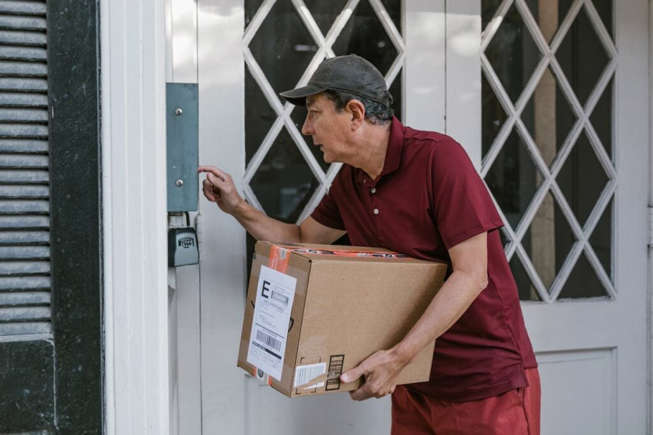
Her phone buzzed, and there it was—a clear video feed of a delivery guy placing a package at her doorstep.
“Wow,” she thought, “this is amazing. I can see everything!”
Like millions of Americans, Lisa felt safer knowing she could watch her home from anywhere.
But within a few months, she began to notice things that didn’t feel right—strange alerts at 3 a.m., random faces appearing on her footage, and the uneasy thought that maybe she wasn’t the only one watching.
Doorbell cameras—like Ring, Nest, and Arlo—have become as common in American suburbs as mailboxes.
They promise security, convenience, and peace of mind. But behind the glossy marketing lies a set of realities that might make you rethink hitting that “buy now” button.
Here are 15 things your doorbell camera might be doing—some unsettling, some downright creepy—that could make you regret installing one.
1. Recording Your Neighbors Without Their Consent
One of the first surprises new doorbell camera owners discover?
Your camera doesn’t just capture your porch—it often records parts of your street, your neighbor’s driveway, or even their front door.
In the U.S., privacy laws vary by state, but many people don’t realize that recording someone without consent—especially in audio—is illegal in certain jurisdictions.
Imagine your camera picking up your neighbor’s private conversation every time they walk their dog.
It’s not just awkward—it could get you into legal trouble.
Tip: Always check your camera’s angle and disable audio recording if your state has “two-party consent” laws (like California, Florida, or Illinois).
2. Feeding Your Footage to Law Enforcement
In 2024 alone, Amazon’s Ring partnered with over 2,000 police departments across the U.S.
That means your doorbell footage might be accessible to law enforcement—sometimes without your explicit permission.
While some homeowners appreciate the extra layer of safety, others feel uneasy about being part of a surveillance network they never signed up for.
The reality: Your camera could be contributing to neighborhood surveillance without you even realizing it.
3. Being Hacked More Easily Than You Think
Remember when smart TVs started recording conversations?
Doorbell cameras aren’t immune either.
Cybersecurity experts warn that poorly secured Wi-Fi networks and reused passwords make doorbell cameras a hacker’s dream.
Hackers have been known to gain access to live feeds, stalk homeowners, or even use the camera’s microphone to communicate.
One chilling case in Tennessee involved a hacker who spoke to a young child through the family’s Ring camera.
Protect yourself: Use two-factor authentication and a strong, unique password. Never connect your camera to public Wi-Fi.
4. Creating an Unending Stream of Useless Alerts
A car drives by. A squirrel runs across your porch. The wind moves a branch.
Ding. Ding. Ding.
Doorbell cameras can easily become notification nightmares. Americans often report getting hundreds of “motion detected” alerts per week, most of them meaningless.
Soon, the constant pings cause what psychologists call alert fatigue—you start ignoring all notifications, including the important ones.
Fix it: Adjust sensitivity settings and limit motion zones. Your sanity will thank you.
5. Draining Your Wi-Fi and Data Plan
Streaming HD video 24/7 eats up bandwidth like a teenager eats pizza.
Many U.S. households, especially in rural areas, find their internet speed slowing down dramatically after installing doorbell cameras.
And if you use a mobile plan for viewing feeds, you might burn through your data cap faster than you expect.
Pro tip: Choose cameras that let you store footage locally, not just in the cloud.
6. Turning Into a Subscription Trap
At first, doorbell cameras seem affordable—$99, maybe $150.
But what they don’t tell you? To access recorded footage, advanced detection, or longer storage, you’ll often need to pay monthly fees.
Ring Protect, Nest Aware, and Arlo Secure all charge between $3 to $15 per month, per device.
Multiply that by a few years, and suddenly your $99 gadget costs $500+.
Reality check: You’re not just buying a camera—you’re subscribing to one.
7. Broadcasting Your Location and Schedule
Doorbell cameras automatically record when people come and go.
Over time, that data paints a clear picture of your daily routine—when you leave for work, when you return, and when no one’s home.
If hackers or burglars access that info, they essentially get a real-time map of your habits.
In one U.S. case, burglars used stolen smart home data to plan break-ins while homeowners were away.
Protect yourself: Regularly clear your device history and disable unnecessary “timeline” features.
8. Capturing Strangers’ Data—And Making You Liable
Think of every delivery driver, postal worker, or visitor your camera records.
Now imagine if one of them files a complaint claiming you violated their privacy.
While rare, lawsuits over doorbell camera recordings are increasing in the U.S., especially as workplace privacy laws evolve.
Tip: Post a small “video surveillance in use” sign—it helps protect you legally.
9. Making You a Target for Theft
Ironically, the very thing meant to prevent theft can also attract it.
Thieves now recognize popular camera models and target them for resale or parts. Some even disable or steal the camera before attempting to break in.
Outdoor models are particularly vulnerable if not mounted securely.
Tip: Place cameras at least 9–10 feet high, where they can’t be easily grabbed or tampered with.
10. Recording Too Much—and Keeping It Forever
Cloud storage sounds convenient, but did you know that many companies retain your videos indefinitely?
Even if you delete them, backups might still exist on company servers.
That means footage of your family, kids, or private moments could sit in a database for years—potentially accessible to third parties.
Best practice: Regularly delete footage and check the company’s data retention policy.
11. Turning Neighbors Into Neighborhood Watchdogs (or Spies)
Many doorbell camera apps encourage community sharing through features like Ring’s “Neighbors” feed.
At first, it sounds great—sharing suspicious activity to keep each other safe.
But it can quickly turn toxic.
Across the U.S., there’s growing criticism that these feeds encourage racial profiling, false reports, and paranoia.
You might install your camera for peace of mind—but end up fueling anxiety instead.
12. Capturing Private Family Moments You Didn’t Mean To
Think about what your doorbell sees: kids playing in the yard, your spouse taking out the trash in pajamas, guests arriving for a surprise party.
Now imagine all of that being stored, possibly viewed by tech company employees or hackers.
One former Ring employee admitted that internal teams had access to customer videos for “training purposes.”
That warm, family moment? It might not be as private as you think.
13. Malfunctioning at the Worst Possible Times
Ask any American homeowner about their doorbell camera’s reliability, and you’ll hear the same complaints:
-
Batteries die in freezing temperatures.
-
Wi-Fi drops at the exact moment of a delivery.
-
Footage gets corrupted when you need it most.
One frustrated user joked, “My $200 camera records squirrels perfectly but missed the guy who stole my package.”
Moral: Don’t depend solely on your doorbell for security—use it as part of a larger system.
14. Inviting Corporate Surveillance Into Your Home
When you agree to the terms and conditions (which, let’s be honest, no one reads), you often give companies permission to use your data for AI training, marketing, or product development.
That means your video clips could help train facial recognition software or ad algorithms—without your knowledge or compensation.
In short, you’re paying them and providing free data.
15. Changing the Way You See the World
Perhaps the most unexpected downside?
Doorbell cameras can subtly alter your mindset.
Instead of feeling safer, many users report feeling more anxious—constantly checking feeds, suspecting strangers, or worrying about every noise.
Psychologists warn that this “surveillance mentality” can increase stress and reduce trust within communities.
In trying to feel safe, we sometimes end up feeling more fearful.
So, Should You Still Get One?
Let’s be honest—doorbell cameras aren’t evil.
They can deter theft, protect deliveries, and give peace of mind when used wisely.
But the key is awareness. Before joining the 20+ million Americans who already have one, ask yourself:
-
Are you comfortable with your data being shared or stored?
-
Do you understand your local privacy laws?
-
Can you secure it properly to prevent hacking?
If the answer to any of those is no, it might be worth rethinking—or at least adjusting—how you use it.
A Closing Story: Lisa’s Second Doorbell
Remember Lisa from Ohio?
After a year of odd notifications and privacy worries, she took down her smart doorbell.
But a few months later, she installed a new one—this time, a local-storage model with limited access and no cloud link.
Now, her front porch feels safe again—but so does her sense of privacy.
As she put it,
“I realized I didn’t need to watch my home every second. I just needed to feel in control again.”
And that’s the real message here.
Technology should make Americans feel safer—not watched.
Final Thoughts: Balance, Not Paranoia
Doorbell cameras are here to stay. But they don’t have to turn our homes into surveillance zones.
By understanding what these devices really do—how they store data, share information, and impact your peace of mind—you can take back control of your privacy without giving up the benefits of technology.
Because in the end, safety isn’t about watching everyone else.
It’s about protecting what truly matters—your home, your family, and your freedom to live without fear.