It All Starts with a Drawer
Every American household has one.
You know the one I mean — that mysterious “junk drawer.”
It’s a place where lonely batteries, half-broken pens, old phone chargers, and three sets of keys to doors you no longer own go to die.
You open it every few days looking for something — maybe scissors or tape — and you find yourself staring at a time capsule of your own hesitation.
“I’ll keep that,” you tell yourself, “just in case.”
It’s harmless, right?
But multiply that drawer by your garage, your closet, your kitchen cabinet, and suddenly you realize — we’re all living surrounded by the ghosts of our “just in case” moments.
This isn’t just clutter. It’s psychology. It’s nostalgia. It’s fear.
And if you live in the U.S., where space feels abundant and Amazon delivers faster than guilt sets in, it’s also a quiet epidemic.
Let’s unpack it — literally and emotionally.
The Origin of ‘Just in Case’ Thinking
When I was growing up in the Midwest, my grandmother had a whole room she called “the extras.” It was a shrine to things she might need someday — towels still in their packaging, Tupperware lids with no matching bowls, candles from the ‘90s, and a sewing kit that hadn’t been opened since the Reagan era.
When I asked why she kept it all, she said:
“Because honey, you never know when you’ll need it.”
That’s the root of it. Fear of not having enough.
Many Americans — especially those raised by Depression-era parents or grandparents — inherited a “save it for later” mindset.
And it made sense then.
Back in the day, things were expensive, repairs took time, and buying new wasn’t always possible.
But now?
We live in a country where you can get anything from a toaster to a tent delivered to your doorstep within hours.
Yet… the “just in case” mentality still lingers.
The 10 Most Common Things We Keep “Just in Case” (and Never Use)
Let’s get real. We all have our own version of “just in case” clutter. Here are the top categories most Americans hang onto — and why it might be time to finally let them go.
1. Old Cables and Chargers
You know that tangled mess of cords in your drawer? The one that could probably power an entire RadioShack?
Every time you try to toss one, you hesitate:
“Wait, what if I get a new phone that uses this old charger again?”
Spoiler: you won’t.
Technology moves faster than your drawer can keep up. By the time you need that mini USB cable, you’ll probably be charging your phone wirelessly through your watch.
Let it go.
2. Expired Beauty Products and Toiletries
That half-used face cream from 2018?
The hotel shampoo you swore you’d use on your next trip?
Yeah, they’re just collecting dust — and maybe growing bacteria.
We keep them “just in case” of a shortage, but really, we never touch them again. Americans love a good deal, so we stockpile — but skincare and makeup have expiration dates for a reason.
If you wouldn’t put it on your skin today, it’s time to toss it.
3. Clothes That Don’t Fit (But Might Someday)
Every closet in America hides at least one pair of jeans that hasn’t fit since Obama was in office.
You tell yourself:
“Once I lose ten pounds, I’ll totally wear this again.”
But here’s the truth — even if you do, you’ll probably want new clothes that reflect who you are now, not who you were years ago.
Keeping old clothes often traps you in a loop of guilt and unrealistic expectations. Let go of the fabric and the pressure attached to it.
4. Old Electronics “For Backup”
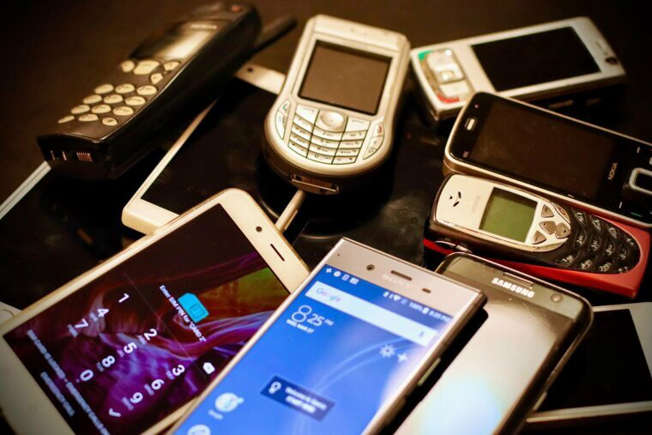
Old laptops. Obsolete iPads. Flip phones that wouldn’t even dial 911 anymore.
Americans love keeping old tech “just in case.” But think about it: when your current phone breaks, are you really going to reactivate that 2009 Samsung Galaxy?
No — you’ll go to the store, sign a new contract, and get the latest model.
Recycle those old electronics responsibly and free up your mental space.
5. Plastic Bags and Takeout Containers
We all have that one kitchen cabinet — the one that’s one gust of air away from raining down a storm of takeout containers and grocery bags.
Sure, it’s great to reuse and be eco-conscious. But saving hundreds of flimsy bags “just in case” crosses the line from sustainable to suffocating.
Keep a few, donate or recycle the rest. Your future self (and your kitchen) will thank you.
6. Instruction Manuals for Everything
You know what’s funny? Every instruction manual we’ve ever saved is online now.
Yet, somehow, we’ve all got a stack of them in a drawer somewhere, yellowed with age and completely irrelevant.
Toss them — you’ll find what you need on the manufacturer’s website in seconds.
7. Gifts You Don’t Like (But Feel Guilty Giving Away)
A mug that says “Live, Laugh, Love.”
A candle that smells like burnt cinnamon.
A sweater from your aunt that’s two sizes too big.
We keep them because we feel guilty — like throwing them away means rejecting the person who gave them to us.
But remember: a gift has already served its purpose when it’s given. You can let it go without guilt.
8. Random Hardware and Tools
Nails. Screws. Allen wrenches from IKEA furniture you no longer own.
You keep them “just in case” something breaks — but when it does, you’ll probably just run to Home Depot and buy the right tool anyway.
A small, organized toolbox is useful. A giant box of mystery metal? Not so much.
9. Outdated Paperwork
Old bills, expired insurance papers, and warranties for products you don’t even own anymore.
You tell yourself you’ll “go through it later,” but later never comes.
Shred what’s outdated, scan what’s important, and free yourself from paper chaos.
10. Hobby Supplies for Things You’ll Never Actually Do
Knitting yarn from that one winter you thought you’d make scarves.
Paints and brushes from your “art phase.”
Camping gear from the trip that never happened.
These things represent our aspirations, not our realities — and that’s okay.
Letting go doesn’t mean giving up on creativity; it just means making space for the hobbies that actually bring you joy today.
The Psychology Behind It — Why We Can’t Let Go
So why do we cling to stuff we never use?
It’s not laziness — it’s emotion.
1. Fear of Waste: We don’t want to feel like we’re throwing money away.
2. Fear of Need: We imagine a future scenario where we’ll desperately need that exact item.
3. Sentimentality: Some items carry memories — not practical value.
4. Identity: Sometimes, the things we keep reflect who we used to be — or who we wish we were.
Psychologists call this “loss aversion” — the idea that losing something feels twice as painful as gaining something new feels good.
But here’s the twist: in trying not to lose anything, we end up losing space, clarity, and peace.
The Turning Point — My “Just in Case” Realization
One weekend, I decided to tackle my own clutter.
It started with a single drawer and ended with five trash bags and a deep breath I hadn’t taken in years.
As I sifted through the piles, I realized something: most of the things I was saving were tied to a version of myself that didn’t exist anymore.
The college kid who thought he’d go camping every summer.
The young dad who believed he’d fix every broken gadget.
The hopeful hobbyist who bought paints but never opened them.
Letting go wasn’t just about the stuff — it was about releasing old expectations.
I didn’t need to be the person who might “someday” use these things.
I needed to be the person who was okay without them.
How to Break Free from ‘Just in Case’ Thinking
If this all sounds a little too familiar, don’t worry — breaking the cycle doesn’t have to be dramatic. It just takes awareness and small steps.
Here’s how to start:
1. Ask “What’s the Worst That Could Happen?”
If you get rid of that extra spatula or old sweater, what’s the worst outcome?
You might need to buy another one — once, in five years. That’s a small price for everyday peace.
2. Set Boundaries for Storage
Limit yourself. One drawer for cords. One small box for sentimental items. One shelf for extras. When it’s full, something has to go.
3. Be Honest About “Future You”
If you haven’t used it in two years, future you probably won’t either.
4. Donate Generously
Someone else will use that sweater, those tools, or those craft supplies. Giving them away transforms clutter into kindness.
5. Celebrate the Space You Create
After decluttering, don’t rush to fill the emptiness. Enjoy the breathing room — the simplicity. That’s your reward.
The Beauty of Letting Go
There’s a strange peace in releasing what you no longer need.
When you stop holding on “just in case,” you start trusting yourself more — trusting that you’ll handle whatever life brings without a drawer full of tangled cords or guilt-laced sweaters.
Clutter is often just postponed decision-making.
When you start deciding — really deciding — what deserves space in your life, everything feels lighter.
So open that junk drawer. Face the closet.
Hold up each item and ask:
“Does this serve me today?”
If not, say thank you — and let it go.
You’ll be amazed at how much lighter your home, your mind, and your life feel.
FAQs
1. Why do I feel guilty throwing away things that still “work”?
Because we associate functionality with value. But if something works and still never gets used, it’s not valuable to you. Let someone else enjoy it.
2. How do I stop buying “just in case” items?
Pause before every purchase and ask, “When will I actually use this?” If you can’t name a date or situation, skip it.
3. Should I sell unused items or donate them?
If it’s worth the effort to sell, go for it. But for most small things, donation brings faster relief and helps others.
4. How often should I declutter?
At least once a year — ideally with the seasons. The less you own, the less often you’ll need to sort.
5. What’s a good motto to remember when decluttering?
“If I wouldn’t buy it today, I don’t need to keep it.”