
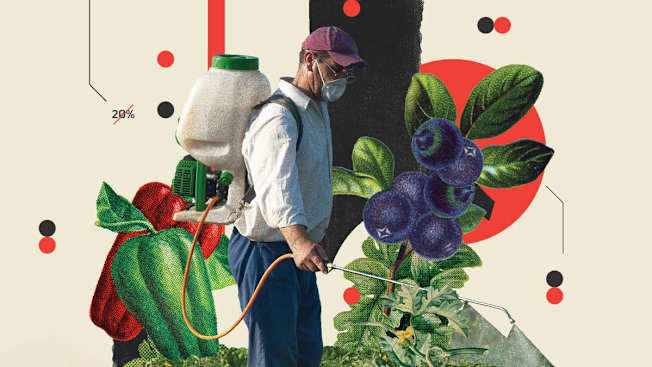
A Trip to the Grocery Store That Changed Everything
It was a sunny Saturday morning in Ohio when Sarah, a young mother of two, decided to do her usual grocery run.
Like most of us, she filled her cart with “healthy” choices — crisp apples, bright strawberries, leafy greens, and plump grapes.
As she reached the checkout counter, she felt a quiet sense of pride. She was feeding her family right, avoiding processed junk, and going fresh.
But that evening, while scrolling through a food article, her smile faded.
What she read shocked her — some of her so-called healthy picks were among the most pesticide-contaminated foods in America.
That’s when she realized: just because it’s fresh doesn’t mean it’s clean.
The Harsh Reality: When Healthy Isn’t Always Safe
Every year, millions of Americans fill their kitchens with colorful fruits and veggies — believing they’re doing the best for their health.
But what most don’t realize is that many of these produce items are grown with chemical pesticides, designed to kill pests, but often leaving invisible residues on what ends up on your plate.
Pesticides help farmers protect crops from insects and diseases, sure. But when used heavily, traces remain even after washing. Over time, that can mean consuming tiny chemical doses daily — something our bodies weren’t built for.
While the U.S. regulates pesticide levels, some foods absorb and retain these chemicals far more than others.
So let’s pull back the curtain and explore 10 fruits and vegetables commonly found in American kitchens that carry the heaviest pesticide loads — and what you can do about it.
1. Strawberries – The Sweetest but Dirtiest Fruit
Strawberries look innocent — ruby red, juicy, and bursting with flavor. But beneath that sweetness lies a bitter truth.
Because they grow close to the ground and lack a protective outer shell, strawberries are constantly sprayed with fungicides, insecticides, and herbicides.
Even more concerning? Their delicate skin absorbs these chemicals deeply. So, even if you rinse them thoroughly, residues often remain.
Pro tip:
Buy organic strawberries whenever possible. Or try homegrown berries — they’re smaller but far safer.
2. Spinach – The Leafy Green with a Hidden Layer
Spinach is every dietitian’s dream — rich in iron, calcium, and vitamins. But it’s also one of the most pesticide-contaminated vegetables in the U.S.
Because its leaves are thin and textured, they trap pesticide sprays easily. Some spinach samples have been found to contain residues from multiple different pesticides — a chemical cocktail, not a salad ingredient.
What to do:
Opt for organic spinach or replace it occasionally with kale or arugula from trusted local sources.
3. Kale – The Health Food Star with a Toxic Twist
Kale may be the darling of the wellness world, but it’s often treated heavily with insecticides to fend off aphids and leaf-eating pests.
Ironically, many Americans eat kale to detox — yet, it’s one of the most pesticide-exposed greens.
Its curly surface holds onto sprays, making washing less effective.
Better option:
If you’re going green, go organic kale or grow your own in small garden patches.
4. Peaches – Nature’s Candy, Coated in Chemicals
Soft, fuzzy, and fragrant — peaches seem wholesome. But that soft skin is exactly what makes them vulnerable.
Unlike bananas or oranges, peaches don’t have thick protective peels. Their tender surface absorbs pesticides easily, and washing barely makes a difference.
If you love peaches:
Buy them organic or choose alternatives like mangoes or papayas, which have thicker skins and lower pesticide absorption.
5. Apples – The All-American Fruit That’s Not So Innocent
An apple a day keeps the doctor away — unless it’s soaked in chemicals.
In the U.S., apples are often coated with pesticides even after harvesting to prevent browning and extend shelf life. Their skins, although shiny and appealing, can harbor numerous residues.
Peeling helps, but it also strips away nutrients and fiber.
Smart swap:
Buy organic apples or wash them using a baking soda-water soak to reduce surface pesticides.
6. Grapes – Tiny Bites, Big Chemical Exposure
Grapes are small, but their pesticide exposure is huge — especially imported varieties.
Because they grow in clusters and are difficult to spray evenly, farmers often over-apply chemicals to prevent fungal growth.
The result? Every little grape you pop into your mouth may carry a trace of multiple pesticide types.
Safer choice:
Choose organic or local grapes when possible. And for kids — who eat grapes by the handful — wash them thoroughly under running water before serving.
7. Bell Peppers – Bright Colors, Hidden Sprays
Those beautiful red, yellow, and green peppers in your grocery aisle are among the most sprayed vegetables in America.
Pesticides cling to their smooth skins and even seep through their thin walls.
Ironically, the brighter the color, the more likely they’ve been chemically treated to maintain that “perfect” look.
Pro tip:
Buy organic bell peppers — or try growing your own. They’re surprisingly easy to raise in pots or small gardens.
8. Cherries – Sweet but Not So Pure
Cherries are one of America’s favorite summer snacks — but they’re also one of the most chemically treated.
Because cherry trees attract numerous pests, growers rely on regular pesticide applications throughout the season.
Even organic cherries can sometimes contain traces from neighboring farms due to drift from sprays in the air.
Best choice:
Wash thoroughly, soak in a vinegar-water mix, or buy from trusted local farms with minimal chemical use.
9. Celery – The Skinny Stalk with a Big Secret
Celery’s crisp, watery crunch is refreshing — but those thin stalks absorb pesticides like a sponge.
Since it has no protective skin and is grown in moist soil conditions, it’s sprayed repeatedly to prevent fungal and insect issues.
Better alternative:
Switch to organic celery or choose cucumbers (with the peel removed) for a similar crunch without the chemical load.
10. Tomatoes – America’s Favorite Ingredient with a Hidden Cost
Tomatoes are in everything — sauces, salads, soups, sandwiches — but they’re also one of the most pesticide-laden crops.
Commercial tomato farming often involves dozens of chemical treatments to prevent blight, insects, and mold.
The thin skin and juicy pulp absorb these residues, making it hard to remove them through washing alone.
Best option:
Buy from local farmers who grow tomatoes naturally, or consider growing your own cherry tomato plants — they thrive even in small spaces.
So Why So Many Pesticides?
In the U.S., large-scale agriculture has one big challenge: pests adapt fast. To protect massive yields, farms rely heavily on chemical solutions.
And while these pesticides make crops look perfect, they can also disrupt hormones, affect fertility, and impact neurological health when consumed in excess over time.
The scary part? Even low-level exposure, when consistent, adds up — especially in children.
But don’t panic. You don’t have to give up your favorite foods entirely. You just have to be smarter about how you buy and prep them.
How to Reduce Your Pesticide Exposure
-
Go Organic (Strategically):
You don’t need to buy everything organic. Focus on high-risk produce like berries, leafy greens, and soft fruits. -
Wash Like a Pro:
Use a mix of water and baking soda (1 tsp per 2 cups of water). Soak for 15 minutes, then rinse. Studies show this can remove many surface pesticides. -
Peel When Possible:
For foods like apples, peaches, and cucumbers, peeling can reduce exposure — though you’ll lose some nutrients. -
Buy Local, Eat Seasonal:
Smaller farms often use fewer chemicals, and seasonal produce is less likely to be heavily treated. -
Grow a Few Yourself:
Even a small balcony garden with herbs, tomatoes, or peppers can give you pesticide-free freshness.
The Bigger Picture: Health Is in the Details
For decades, “eating healthy” has meant eating more fruits and vegetables — and that’s still true.
But in today’s world, how those fruits and vegetables are grown matters just as much as what you eat.
Pesticides aren’t visible. They don’t change the taste. They don’t make you sick overnight.
But over time, they can quietly build up — and that’s where the danger lies.
Being informed isn’t about fear. It’s about freedom — the freedom to choose better for yourself and your family.
Sarah, from our story at the beginning, now shops differently. She doesn’t buy all-organic, but she knows which items matter most.
Her kids still enjoy strawberries and apples — but now, they’re washed, soaked, and sourced with care.
It’s not about perfection. It’s about awareness.
FAQs: The Truth About Pesticides in Your Produce
1. Can washing fruits and vegetables completely remove pesticides?
Not completely. Washing helps reduce surface residues, but many pesticides are absorbed inside the produce. Using baking soda or vinegar-water soaks helps more than just rinsing.
2. Are organic foods 100% pesticide-free?
No, but organic farming uses natural or less harmful pest control methods. Organic produce typically contains far lower pesticide residues.
3. What’s the most pesticide-heavy fruit in America?
Strawberries consistently top the list due to their thin skin and heavy use of chemical protection during growth.
4. How harmful are pesticides really?
In small doses, the body can handle them. But long-term exposure, especially in children, has been linked to developmental and hormonal issues.
5. What’s the safest way to eat non-organic produce?
Soak it in a baking soda-water solution, peel when possible, and eat a varied diet so you’re not repeatedly exposed to the same chemicals.
Final Thought: A Cleaner Plate Starts with a Smarter Choice
You don’t have to stop eating fruits and vegetables — you just have to eat them wisely.
Awareness is power, and small changes can make a huge difference.
Next time you walk through the produce aisle, remember: that shiny apple or perfect peach might look beautiful, but real health goes deeper than appearance.
So rinse, soak, peel, and choose carefully — because the cleaner your food, the cleaner your life. 🍎🌿