
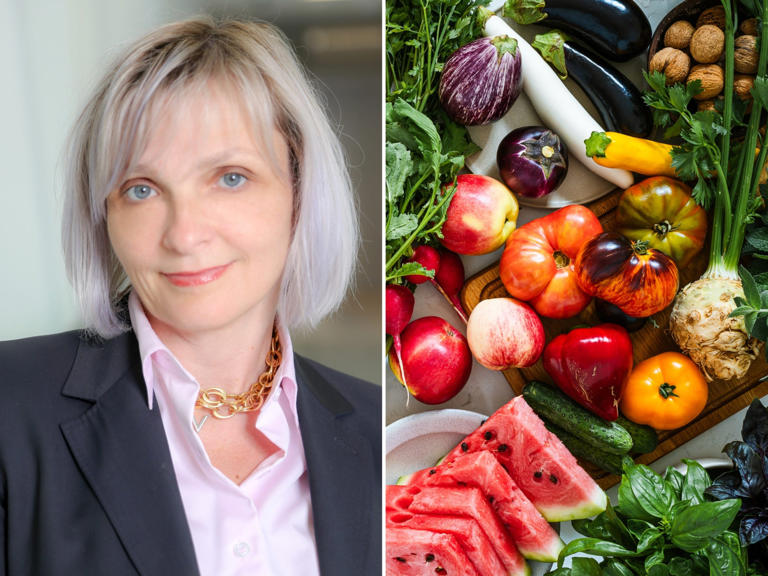
It started, as most revolutions do, in a small, unassuming lab.
Dr. Emily Carter, a neuroscientist from Oregon with a soft spot for sourdough bread and black coffee, had spent years studying how the brain reacts to stress, sadness, and anxiety. But one morning, while she was sipping her coffee and staring at rows of petri dishes filled with bacterial cultures, she stumbled on a question that would change her life — and perhaps the mental well-being of millions of Americans.
“What if the answers to our mood swings, brain fog, and anxiety aren’t in the brain — but in the gut?”
That question led Dr. Carter to dedicate the next decade of her life to uncovering the intimate, electric connection between the gut and the brain — a relationship now known as the gut-brain axis. Her research has helped redefine what we think of as “mental health food,” turning the idea of self-care from just journaling and therapy into something much deeper — quite literally.
Today, she shares three simple diet tweaks that she says could dramatically improve mental health for the average American. But before we dive into them, let’s understand what makes your gut such a powerful influence over your mood.
🧩 The Secret Highway Between Your Stomach and Mind
For decades, mental health conversations in the U.S. revolved around serotonin, dopamine, and the brain. But what few realized was that nearly 90% of serotonin — the “feel-good” neurotransmitter — is actually made in the gut.
Think of your gut as a second brain — one that communicates with the main brain through the vagus nerve, a superhighway of signals running between your digestive tract and your head. When your gut is happy, nourished, and balanced, it sends calm, positive signals to your brain. When it’s inflamed or imbalanced, your brain feels it — sometimes as anxiety, fatigue, irritability, or even depression.
Dr. Carter often tells her patients,
“You can’t outthink a bad gut. You have to feed your mind by feeding your microbiome.”
And that’s where her three science-backed diet tweaks come in — small, practical changes that could make a huge difference in how Americans think, feel, and live.
🥗 Tweak #1: Eat More “Mood-Boosting Microbes” — Probiotics and Fermented Foods
Dr. Carter recalls a particularly skeptical patient named Jake, a 35-year-old accountant from Denver who battled constant fatigue and low mood. He wasn’t interested in meditation or mindfulness; he wanted something tangible.
So she started him with a challenge:
“Add one fermented food to your diet every day for 30 days. Don’t change anything else.”
Jake rolled his eyes but agreed. He began eating Greek yogurt with breakfast and sometimes had kimchi with his dinner. Within two weeks, he noticed something strange — he wasn’t waking up groggy anymore. By the end of the month, he described feeling “lighter,” both mentally and physically.
That’s the power of probiotics — the good bacteria that populate your gut.
Fermented foods like:
-
Greek yogurt
-
Kefir
-
Kimchi
-
Sauerkraut
-
Miso soup
-
Kombucha
… are loaded with live microorganisms that strengthen your gut microbiome — the community of trillions of bacteria inside you.
Dr. Carter explains,
“When your gut microbiome thrives, it reduces inflammation and helps regulate the neurotransmitters that control mood and motivation.”
In other words, you’re literally cultivating happiness with every bite.
And for Americans who live on the go — often surviving on coffee, processed snacks, and takeout — adding just one probiotic-rich food daily could restore balance in both digestion and emotional health.
🌾 Tweak #2: Feed Your Gut Bugs — Fiber Is the Forgotten Hero
Dr. Carter likes to say:
“Probiotics are the guests, but fiber is the dinner they came for.”
That’s because probiotics can’t thrive without prebiotics — the fibers and plant compounds that feed your gut bacteria.
Most Americans fall short here. The average American consumes only 15 grams of fiber daily, far below the recommended 25–38 grams. That shortfall doesn’t just affect digestion; it can starve the bacteria that produce mood-stabilizing compounds.
In her studies, Dr. Carter found that participants who doubled their fiber intake — mainly through vegetables, beans, and whole grains — reported improvements in sleep, focus, and emotional balance within six weeks.
So what kind of fiber should you eat? She recommends a mix of soluble and insoluble fiber, from foods like:
-
Oats and barley (great for breakfast)
-
Chia seeds (perfect for smoothies)
-
Beans and lentils (fiber powerhouses)
-
Leafy greens like kale and spinach
-
Apples and bananas (easy, natural snacks)
If that sounds boring, she laughs and says:
“Just think of fiber as brain fuel. It doesn’t look glamorous on a plate, but your neurons love it.”
For many Americans struggling with anxiety and burnout — especially those working long hours or juggling multiple responsibilities — small dietary shifts like this could provide a surprisingly powerful foundation for emotional stability.
🍫 Tweak #3: Rethink Sugar and Processed Foods — They’re Silently Stressing You Out
In one of her earliest experiments, Dr. Carter monitored stress hormones in volunteers after eating different kinds of meals. Those who ate high-sugar, processed foods (like pastries and soda) had spikes in cortisol, the body’s stress hormone. Those who ate whole, unprocessed meals had calmer, more stable responses.
The results were clear: Sugar is an emotional rollercoaster.
Yet, sugar sneaks into nearly everything Americans eat — from breakfast cereals to salad dressings. Even foods labeled as “healthy” can have hidden sugars that spike your blood glucose and then crash your energy levels, leaving you anxious, tired, and craving more.
Dr. Carter isn’t a fan of strict diets or guilt-based eating. Instead, she encourages awareness and moderation:
-
Choose dark chocolate over milk chocolate.
-
Swap soda for sparkling water with lemon.
-
Replace white bread with whole grain.
-
Cook more at home — because knowing what’s in your food is empowering.
She also points out that certain processed oils, like soybean and corn oil (common in fast food), can cause inflammation that affects brain chemistry. Reducing them can help the body — and brain — return to balance.
“Mental clarity,” she says, “often begins with blood sugar stability.”
💬 The American Problem: Fast Life, Slow Gut
In America, the mental health crisis and the obesity epidemic often run side by side. Depression rates are climbing, while ultra-processed food consumption hits record highs. Dr. Carter believes these aren’t separate problems — they’re two sides of the same coin.
“When we eat food made in factories instead of farms, we feed the wrong bacteria,” she says.
“And when the wrong bacteria dominate, they send distress signals to the brain — which can trigger anxiety, low mood, and even social withdrawal.”
This isn’t just theory. She’s seen real transformations — like Maria, a single mom from Texas who suffered from chronic anxiety and sleep problems. After adopting Dr. Carter’s “gut-brain” plan — swapping late-night chips for yogurt, adding fiber-rich meals, and cutting down sugar — Maria reported feeling “like a fog lifted.”
Her sleep improved, her energy returned, and even her 10-year-old son said, “Mom, you’re laughing again.”
🧘♀️ The Bonus Factor: Mindful Eating
Dr. Carter’s approach isn’t just about what you eat — but how you eat.
Americans are notorious for eating on the go: breakfast in the car, lunch at the desk, dinner in front of Netflix. That fast-paced pattern triggers the body’s stress response, reducing digestion efficiency and nutrient absorption.
Her advice:
-
Chew slowly. Let your body catch up with your brain.
-
Put down your phone while eating. Distraction dampens the gut-brain signal.
-
Express gratitude for your food. It may sound corny, but gratitude activates calm neural pathways that support digestion.
This kind of mindful eating helps your gut feel safe — and when your gut feels safe, your brain follows.
🏠 The Gut-Brain Diet — Simplified (Sample Daily Plan)
Here’s what a gut-friendly, mood-boosting day might look like — based on Dr. Carter’s recommendations for her U.S. patients:
🌅 Breakfast:
Overnight oats with chia seeds, Greek yogurt, blueberries, and a drizzle of honey.
(Feeds probiotics and provides fiber for steady energy.)
🌞 Lunch:
Quinoa bowl with roasted vegetables, chickpeas, and olive oil dressing.
(Rich in fiber, healthy fats, and plant diversity.)
☕ Midday Snack:
A handful of almonds and a small piece of dark chocolate.
(Boosts magnesium and serotonin levels naturally.)
🌇 Dinner:
Grilled salmon with brown rice and sautéed spinach.
(Omega-3s help reduce inflammation and support cognitive function.)
🌙 Evening:
A cup of chamomile tea or kefir.
(Soothes the nervous system before bed.)
Even small tweaks like these can make your microbiome — and mind — thrive.
🌍 Why This Matters for the American Lifestyle
The average American diet has drifted far from what the body and brain were designed to thrive on. With busy schedules, fast food on every corner, and constant stress, it’s easy to forget that our mental health doesn’t start in therapy — it starts in the grocery aisle.
Dr. Carter believes that if more Americans viewed their diet as part of their self-care routine — as important as sleep or exercise — we could see a national shift in emotional well-being.
She envisions schools serving gut-friendly meals, workplaces offering fermented snacks, and families cooking fiber-rich dinners together.
“Because when we feed our gut,” she says, “we feed our future.”
💭 Final Thoughts
In a world full of quick fixes and antidepressant commercials, Dr. Emily Carter’s message feels refreshingly simple: mental wellness begins in the gut.
By making three small changes —
-
Eating probiotic-rich foods,
-
Increasing fiber, and
-
Reducing sugar and processed junk —
Americans could transform not just their digestion, but their mood, energy, and focus.
The next time you’re feeling stressed, sluggish, or low, maybe don’t reach for your phone or caffeine.
Instead, ask yourself: What did I feed my gut today?
Because your gut might just be whispering what your brain needs to hear.
❓Frequently Asked Questions
Q1: How long does it take to notice mood improvements after changing my diet?
Most people begin to notice subtle changes — better energy, lighter mood, improved sleep — within 2–4 weeks of eating more gut-friendly foods.
Q2: Can diet really replace medication for anxiety or depression?
No, not necessarily. Food supports mental health but doesn’t replace professional treatment. However, it can enhance therapy and medication effectiveness when used alongside.
Q3: What are some quick probiotic options for busy Americans?
Try ready-to-drink kefir, kombucha, or Greek yogurt cups. You can even find fermented pickles and sauerkraut in most grocery stores now.
Q4: I’m not a fan of vegetables — how can I still get enough fiber?
Opt for whole-grain cereals, beans in soups, or chia seed puddings. Smoothies are a great way to hide veggies like spinach without the taste.
Q5: Are probiotic supplements as effective as food?
They can help, especially if you’re not eating fermented foods regularly. But whole foods usually provide a broader range of beneficial bacteria.
Q6: Can kids and teens follow the gut-brain diet?
Absolutely — gut health is important at any age. Just keep portions and fiber levels age-appropriate and avoid overly restrictive eating.
In short:
The future of mental health may not lie only in labs or therapy rooms, but also in kitchens across America — one gut-friendly meal at a time. 🥦💚